
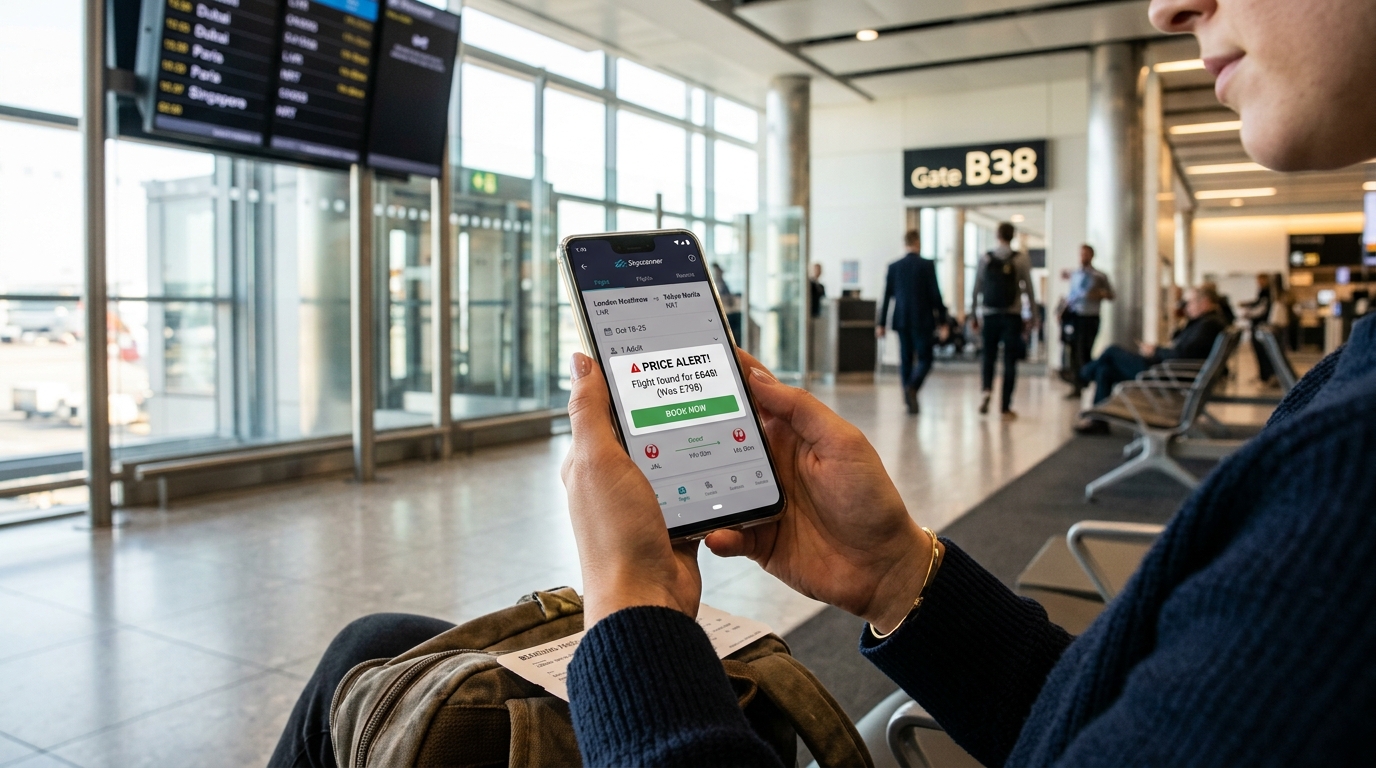

Finding cheap <a href="https://travelatlas.quantosei.com/2026/03/29/japan-sakura-season-2026-the-ultimate-pro-traveler-guide/” title=”Japan Sakura Season 2026: The Ultimate Pro-Traveler Guide”>flights to Japan is no longer a matter of pure luck; it requires a blend of data-driven research and strategic timing. I remember staring at my laptop screen in a cold apartment three years ago, watching the price of a flight from Los Angeles to Tokyo fluctuate by $400 in a single afternoon. That was a brutal lesson in airline pricing, but it taught me that you need a concrete plan before you even open a flight search tab. With travel demand to the archipelago reaching record highs, understanding the complex mechanics of transpacific airfare is essential for every traveler looking to save their hard-earned money for sushi and experiences instead of fuel surcharges.
Why Japan Flight Prices Are Fluctuating
Tourism in Japan has rebounded with immense force. The relatively weak yen has made hotels and dining feel significantly more affordable for those of us holding USD, creating a massive influx of demand. However, the market is shifting due to increased competition. New budget carriers like ZIPAIR are shaking up the status quo by offering bare-bones, low-cost flights. While these airlines offer incredible base fares, you must be careful: once you add checked bags, seat assignments, and onboard meals, the total cost can creep toward the price of a full-service carrier like ANA or Japan Airlines. I once saved $200 on a ticket by flying a low-cost carrier, only to pay $150 back in unexpected baggage fees and expensive train transfers from a remote terminal. Always calculate the final, out-the-door price before hitting the ‘purchase’ button.
The Seasonal Price Reality
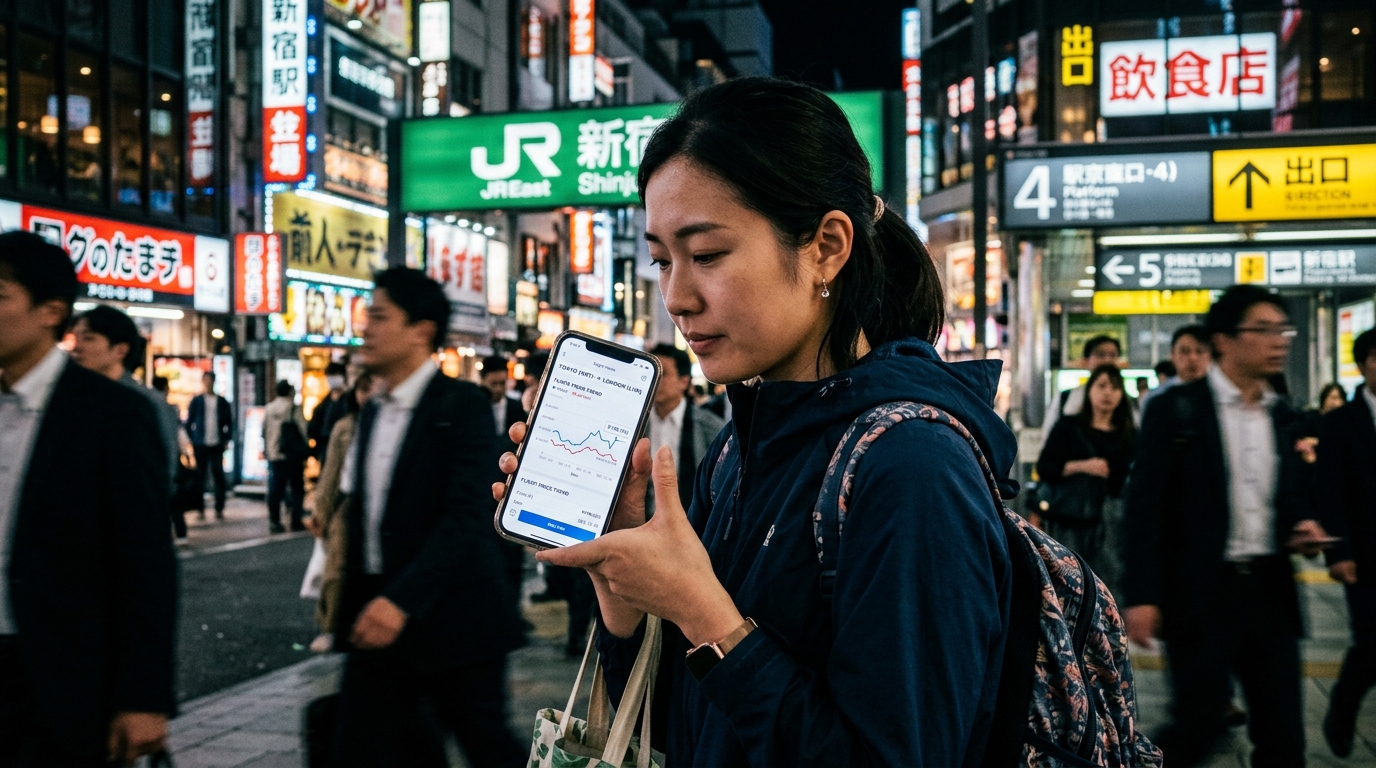
Most travelers dream of visiting during the cherry blossom season in late March or early April. I have been there during peak bloom, and while the scenery is undoubtedly stunning, the crowds at major temples in Kyoto were so thick I could barely move. The downside of this popular timing? You will pay a massive premium for every flight and hotel booking. Prices surge during these weeks, as well as during the Golden Week holidays and the mid-August Obon period when locals are also traveling. If you want to save money, look toward the winter months. From November through February—excluding the expensive Christmas and New Year window—you can often find base economy fares that are hundreds of dollars cheaper than during the spring or autumn peaks.
The Goldilocks Booking Window
When should you actually pull the trigger on a purchase? For long-haul flights to the Far East, the sweet spot is generally between four and ten months before your departure date. If you are planning for a peak period, book on the earlier side. If you are aiming for the shoulder season, you can often wait until two to four months out. I suggest tracking fares for at least two weeks before committing. Use Google Flights to set up price alerts; wait for the price to drop into the lower end of the historical range, and then book immediately. Do not chase the “perfect” bottom price—it rarely exists, and you risk missing out on the seat entirely. I once waited two days too long on a $900 fare, only to watch it climb to $1,300, which forced me to re-evaluate my entire trip budget.
Airport Gateways and Strategic Routing
Most travelers default to Tokyo Haneda (HND) or Narita (NRT). While these are convenient, they are not always the cheapest gateways. Flying into Osaka’s Kansai (KIX) or Nagoya’s Chubu (NGO) can occasionally result in significant savings. Furthermore, consider an open-jaw itinerary. Instead of a standard round-trip, you can fly into Tokyo and out of Osaka. This allows you to travel across the country using the high-speed Shinkansen without having to double back to your starting point, saving you both time and potentially money.
| Airport Code | City Served | Primary Benefit |
|---|---|---|
| HND | Tokyo | Proximity to city center |
| NRT | Tokyo | More international connectivity |
| KIX | Osaka/Kyoto | Better access for Western Japan |
| NGO | Nagoya | Often less crowded gateways |
Mastering Miles and Points
If you want to fly for a fraction of the cost, you must master the world of airline alliances. Programs like American Airlines AAdvantage are excellent for booking partner flights on Japan Airlines (JAL). I have found that booking business class through partners often provides the best value per mile. Keep in mind that ANA Mileage Club is also a powerful tool, though you should watch out for high fuel surcharges on their own operated flights. Transferable credit card points—from programs like Chase or Amex—are your best friend here. They allow you to hold your points until you find actual award availability, rather than committing to a single airline’s currency prematurely.
Common Mistakes to Avoid
- Booking hotels before flights: Always secure your airfare first. If you book a non-refundable hotel room, you lose the ability to shift your travel dates to find cheaper flights.
- Ignoring low-cost carrier fees: A $400 ticket can quickly become a $650 ticket once you add the necessities. Compare the final, total price of a budget flight against a full-service airline.
- Waiting for a “miracle” deal: Sometimes a fare looks good, but you hesitate, hoping for a drop. On popular routes, prices rarely drop significantly inside the three-week window; they usually skyrocket as the cabin fills.
Frequently Asked Questions
Q1. When is the absolute cheapest time to fly to Japan?
Generally, the period from November through February offers the lowest fares. You avoid the massive spring and autumn tourist rushes and the expensive summer holiday season. Just ensure you steer clear of the New Year period, roughly late December to January 3rd, when local travel demand spikes and prices jump across the board. If you pack a warm coat, the winter months offer crisp, clear skies that are perfect for photography, and you will find far fewer tourists at popular shrines.
Q2. Is it worth booking separate one-way tickets to save money?
Sometimes, yes. If you are highly flexible, pairing a low-cost carrier on one leg with a full-service legacy carrier on the return can yield a cheaper total. However, be cautious: if you are booking two separate airlines on one itinerary, any delay or cancellation on the first leg could cause you to miss the second, and you won’t be protected by a single booking contract. If you do this, ensure you have a long buffer—at least 24 hours—between your connecting flights.
Q3. How can I reliably track flight prices to Tokyo?
Use Google Flights or similar meta-search tools to set up email alerts. I personally check these alerts once every morning. Once you have tracked prices for about two to three weeks, you will develop a ‘gut feeling’ for what a good price looks like from your home airport. When a price dips below that average, that is your signal to buy. Remember that VPN tricks for ‘cheaper’ pricing are largely a myth in today’s market; focus on consistent monitoring instead.
Conclusion
Securing affordable airfare is the foundation of a successful trip to Japan. By monitoring the market, staying flexible with your dates, and being willing to look at airports outside of Tokyo, you can turn a potentially expensive trip into a manageable budget experience. Do not let the complexity of airline pricing intimidate you. Take the process one step at a time, use the available tools to your advantage, and remember that the savings you find on your ticket are extra funds you can spend on high-quality sushi, temple fees, and experiences in this incredible country. If you follow these strategies, you will be well on your way to enjoying the trip of a lifetime without breaking the bank.