
A New Milestone for Australian travel to Japan
Australian travel to Japan has reached an unprecedented peak, with over 1,058,300 visitors from down under recorded in 2025. This 15% increase over 2024 confirms that the island nation is no longer just a once-in-a-lifetime trip but a recurring favorite for our travelers. I have watched this trend evolve firsthand, and it is clear that we are moving beyond the standard tourist path in favor of more intentional, slower exploration.
The Numbers Behind the Surge
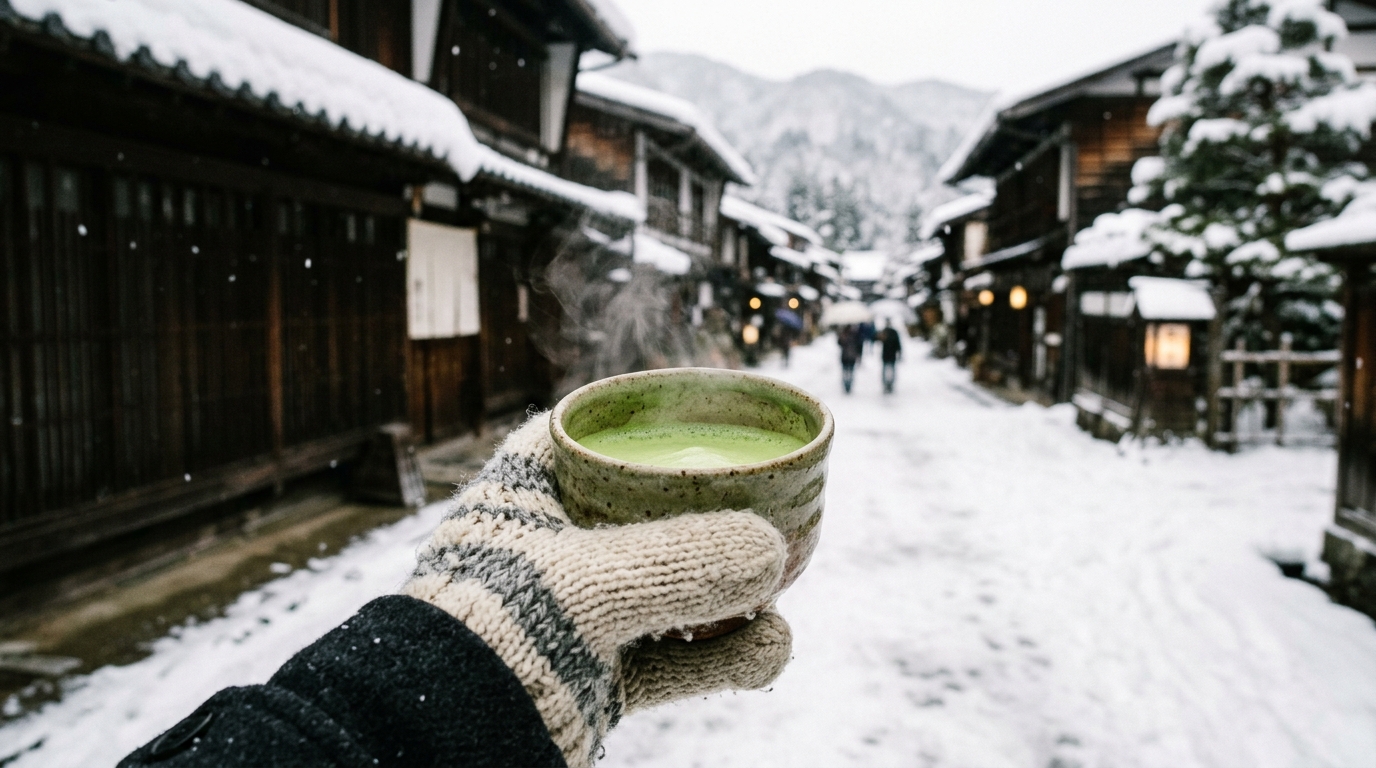
Tourism data from the Japan National Tourism Organisation (JNTO) highlights that our interest remains strong across all four seasons. While the cherry blossoms in April are a major draw, attracting over 115,000 visitors, the winter powder snow season in December saw nearly 121,300 arrivals. January remains the busiest month, with over 140,000 travelers choosing to kick off their year in the cold.
| Month | Arrival Count | Key Driver |
|---|---|---|
| January | 140,185 | Winter sports, New Year |
| April | 115,235 | Sakura, school holidays |
| November | 80,620 | Autumn foliage |
| December | 121,300 | Powder snow, festive season |
Shifting Away from the Golden Route
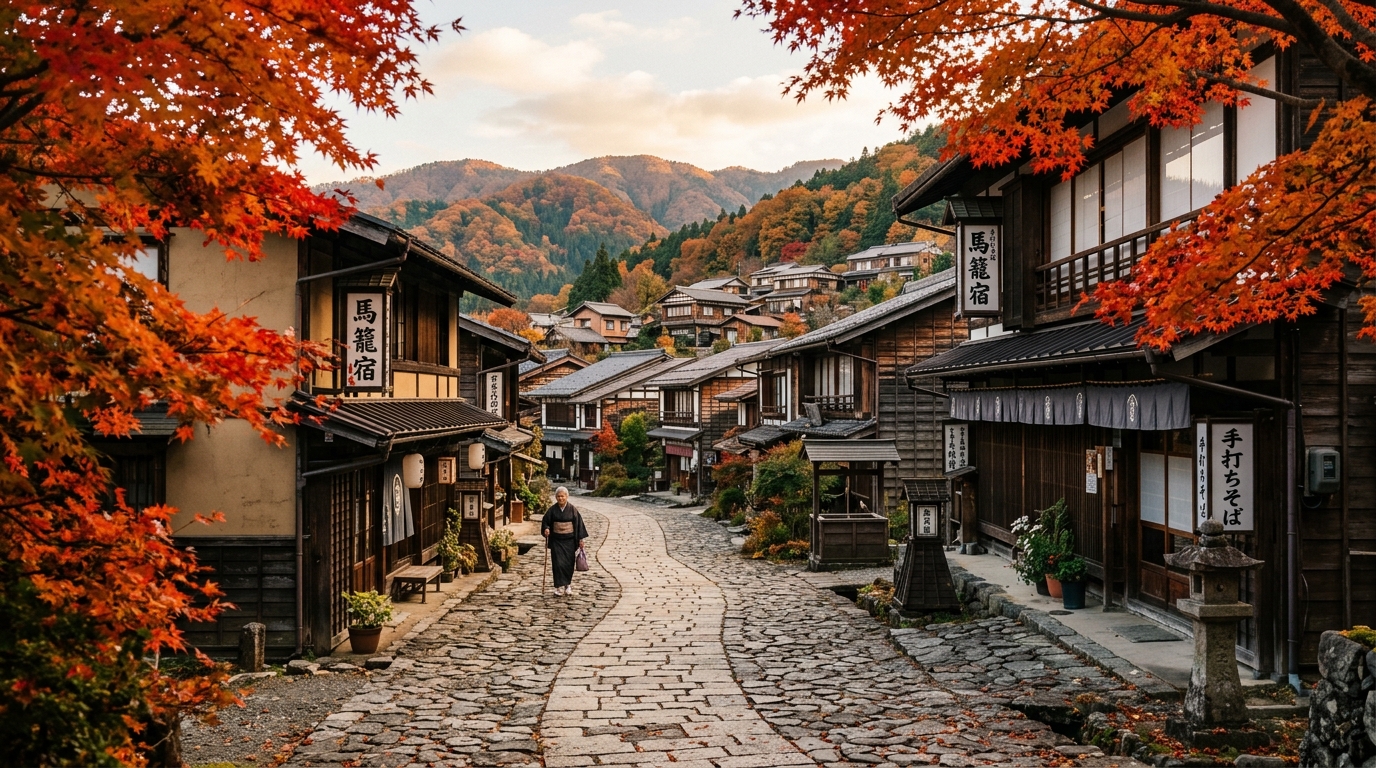
For years, the Tokyo-Kyoto-Osaka corridor dominated our travel itineraries. However, I have noticed my own travel patterns—and those of my colleagues—shifting toward prefectures like Fukuoka, Gifu, Niigata, and Iwate. During a trip to Gifu last autumn, I purposely bypassed the main Shinkansen hubs. I ended up on a local, creaky train that took three hours longer than the express route, yet the rural hospitality I found in a family-run inn was worth every minute of extra travel.
There is, however, a reality check for those venturing into these peripheral regions. I once completely messed up a bus connection in a remote town because I misread the kanji on the station timetable—an honest mistake that left me stranded for two hours in the rain. Navigating rural transport requires patience and a good dose of humility, as English signage becomes sparser the further you get from the major urban centers.
The Rise of Experiential Tourism
Travelers today are seeking deeper immersion. It is not just about checking off famous landmarks; it is about local connection. Increasingly, I see my friends participating in:
Traditional Crafting: Learning indigo dyeing or local pottery techniques directly from artisans.
Ryokan Stays: Choosing authentic inns for their communal baths and meticulously prepared kaiseki meals.
Wellness Retreats: Booking meditation sessions with Buddhist monks to clear the mind.
Active Exploration: Cycling through rural rice paddies or hiking lesser-known coastal trails.
Practical Tips for Your 2026 Trip
If you are planning to join the millions heading to Japan, here is what I recommend based on my recent experiences:
- Book Early: Even in quiet regions, top-tier traditional inns fill up fast. Aim for four months out for autumn dates.
- Reconsider the JR Pass: The cost has risen significantly. If you are staying in one or two regions, point-to-point tickets are often cheaper.
- Forward Your Bags: Use the takkyubin luggage delivery service. Dragging a massive suitcase onto a crowded, narrow local bus is a recipe for disaster.
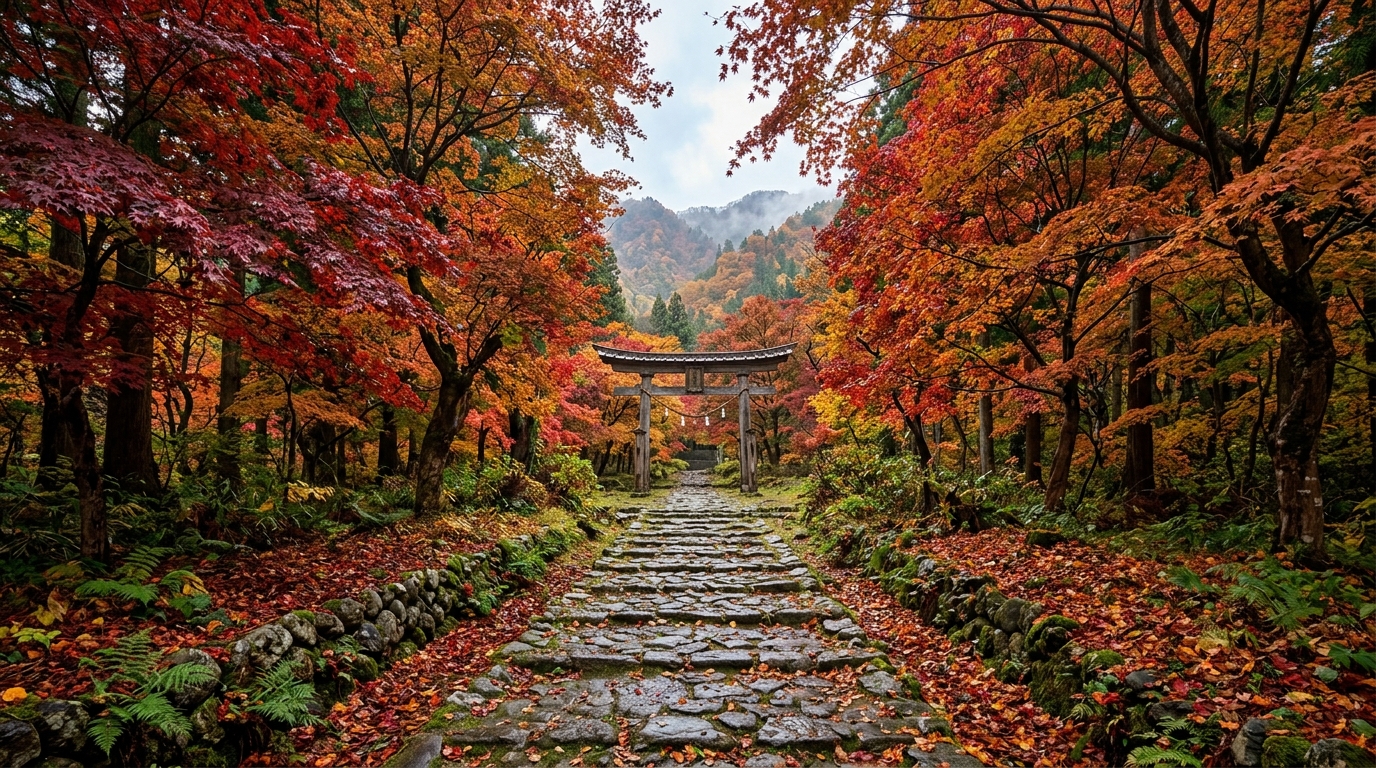
- Embrace the Off-Peak: If your schedule allows, travel in late September or early November. You get crisp, cool air without the overwhelming crowds of the peak foliage weekends.
Frequently Asked Questions
Which months should I avoid if I want to stay away from the heaviest crowds?
I strongly suggest avoiding Golden Week (late April to early May) and the New Year period. These are peak times for domestic tourism, and public transport will be packed to capacity. If you want peace, February or mid-November (outside of the peak foliage weekends) are much better. In February, the air is sharp, clear, and cold, and you will find most temples far more tranquil than in the warmer months.
Is it difficult for a first-time visitor to navigate rural Japan?
It is manageable but requires preparation. Most station staff are kind, but they might not speak fluent English in deep rural areas. I always recommend downloading offline maps and using a translation app for signs. Always photograph the bus schedule the moment you arrive at a station; do not assume there will be another one later. Being organized at the station saves you from an expensive taxi fare later.
Why are so many Australians switching from Tokyo to smaller regions?
Many travelers have reached a saturation point with the intensity of major hubs like Tokyo. We are craving authenticity, and rural regions offer a slower, more intentional pace of life. Staying in a family-run guesthouse allows for personal connections that you simply cannot replicate in a massive city hotel. It is a more meaningful way to spend your travel budget while supporting local economies directly.
Conclusion: A Future of Responsible Exploration
As 2026 progresses, the trend of Australian travel to Japan shows no sign of slowing. By venturing into Japan’s regional prefectures, we can enjoy a more genuine experience while ensuring our tourism dollars reach communities that rarely benefit from the main tourist trail. Whether you are trekking through the trails of Niigata or soaking in a remote hot spring in Gifu, the goal is to travel with respect and curiosity. Japan has so much more to offer than just the standard corridor, and I encourage you to take the time to discover the quieter, more soulful corners of the country for yourself.