


Navigating your modern career and lifestyle demands a deliberate strategy for managing your professional output alongside your personal interests. I have spent years observing how professionals, from sports journalists like Sehjal Gupta to creative cohorts in New York, harmonize their private lives with their public professional personas. Balancing these facets of your existence is not just about time management; it is about creating a framework that protects your mental health while allowing your unique voice to flourish.
Quick Summary
Professional Branding: Merge your unique academic background with authentic storytelling to differentiate yourself.
Content Strategy: Move away from reactive posting toward a structured content bank to prevent burnout.
Work-Life Integration: Use scheduling tools to maintain hard boundaries between your professional output and personal downtime.
Local Narratives: Focus on grounded, specific community stories to build genuine audience trust.
The Art of Professional Storytelling
My own journey into professional writing taught me that your unique background—be it a specific degree or an obsessive love for niche pop culture—is your greatest asset. When you stop treating your work as a dry report and start infusing it with a human perspective, you forge a real connection. I remember the frustration of my first few articles; I tried so hard to sound like a textbook that my writing felt lifeless. It wasn’t until I started explaining complex topics as if I were talking to a friend that my engagement numbers actually climbed. Authenticity is not a marketing buzzword; it is a retention strategy. If you cover high-stakes topics like Lane Kiffin’s coaching transitions or local theater, your job is to reveal the human reality behind the headlines.

Protecting Privacy in a Public Era
When you build a brand, you inevitably surrender some privacy. I have noticed that the most successful creators, such as the students profiled by the CUNYverse, treat their online presence as a deliberate professional extension of their lives. They do not just dump raw photos into the digital ether; they curate their narrative. Using a tool like Google Calendar is not just for university students; it is essential for anyone juggling multiple projects. I found that if I do not schedule my “do not disturb” time, I end up answering emails during dinner. That is a quick path to frustration and creative exhaustion. You must recognize that the “loudest stories”—like a $91 million coaching contract—often mask the personal reality of those involved. Your followers truly appreciate when you show the quiet, human moments that exist outside your primary professional output.
The Value of Small-Town Narratives
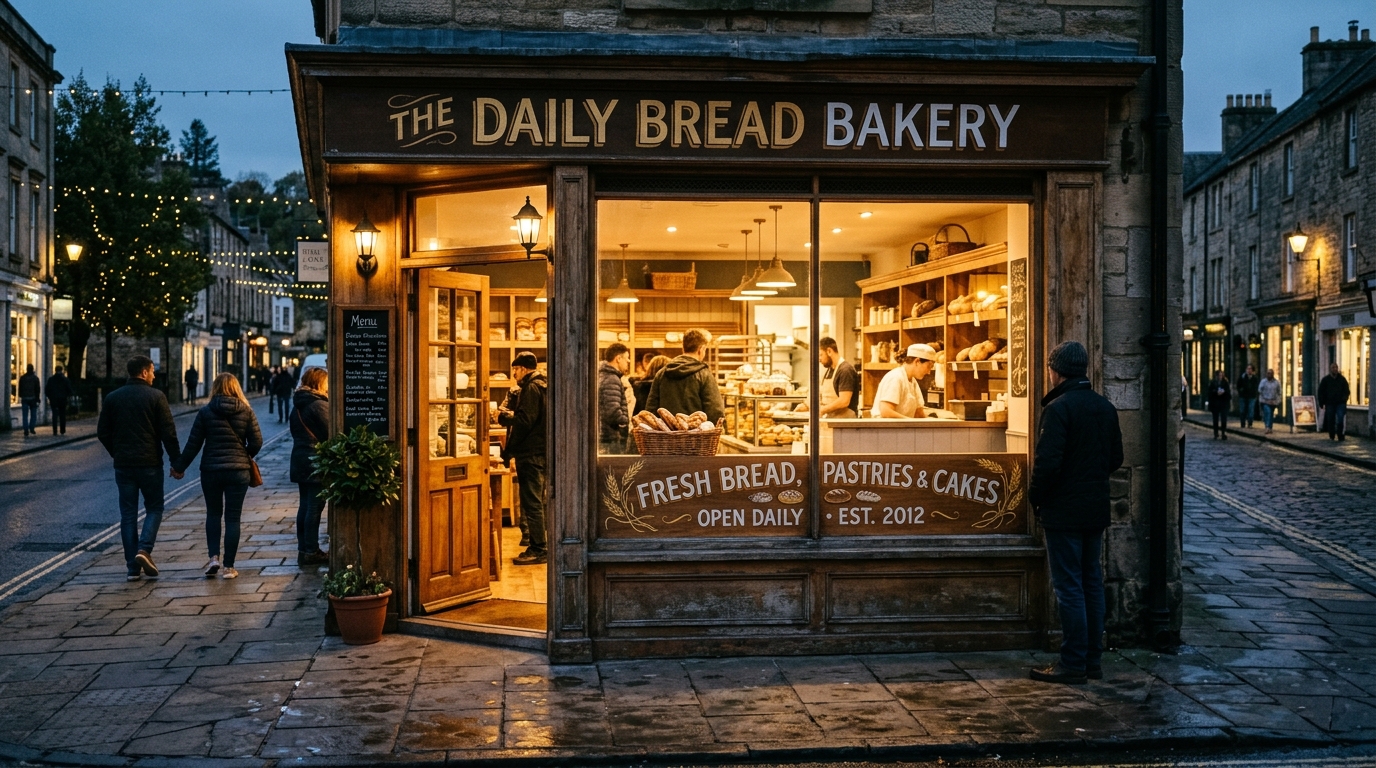
Media often ignores smaller communities in favor of big-city polish. However, series like I’m Also Here prove that audiences crave the “shared messiness” of life in towns like Brockville or Cobourg. I visited a small Ontario town last summer and made the mistake of assuming there would be little to write about. I spent three hours in a local bakery, and the conversations I overheard provided more genuine human interest than a week of scrolling through fragmented news feeds.
Practical Advice for Authenticity
Focus on the Specific: Talk about a local fudgery or a specific railway tunnel, not generic “vibrant community spirit.”
Avoid Over-Romanticizing: Real life has awkward pauses and bad days. Documenting those makes you more relatable than presenting a perfect, airbrushed reality.
Developing a Sustainable Creative Workflow
One major downside of digital creation is the pressure to be “always on.” I learned the hard way that trying to post in real-time is exhausting and often leads to low-quality output. Start building a “content bank” instead. Keep a folder of photos, observations, or draft thoughts. When you feel burnt out, pull from your bank. This strategy helped me maintain my schedule during a hectic month when I was traveling for work. Consistency beats intensity every single time. If you commit to two high-quality posts a week, that is far better than seven rushed, meaningless ones.
| Strategy | Benefit | Difficulty |
|---|---|---|
| Content Bank | Reduces Daily Stress | Low |
| Time Blocking | Increases Focus | Medium |
| Local Niche | Higher Engagement | Medium |
Frequently Asked Questions
How do I balance my professional career with creative hobbies?
The secret is intentional scheduling. I use a tool called a “time block” method. I designate specific hours for my professional reporting and separate blocks for personal projects. By creating a hard boundary between the two, you prevent one from bleeding into the other. If you try to do everything at once, you will end up doing nothing well. Expect some days where the boundary fails; that is normal.
What is the biggest mistake new content creators make?
The most common error is trying to post everything immediately. I used to think I had to upload photos the moment I took them. This creates a stressful, reactive environment. Professional creators take photos, edit them, and save them to a content grid for later. This allows you to maintain a cohesive visual identity without having to work every single day.
Can niche local stories actually gain traction?
Absolutely. In fact, niche content is easier to rank for than broad, generic topics. If you tell a compelling story about a specific landmark or a local community event, you build a loyal audience that trusts your voice. Large platforms are often too broad; being the authority on a smaller, specific topic helps you establish genuine influence.
Conclusion
Whether you are analyzing a high-stakes NFL move, directing a comedy series about regional towns, or building a brand in the fashion space, the rules of success remain consistent. Prioritize your authentic voice, plan your workflow to avoid burnout, and never underestimate the power of a specific, grounded narrative. I encourage you to take one piece of advice from this guide and apply it to your current project today. Start by identifying your unique perspective and stop worrying about the noise of the mainstream.