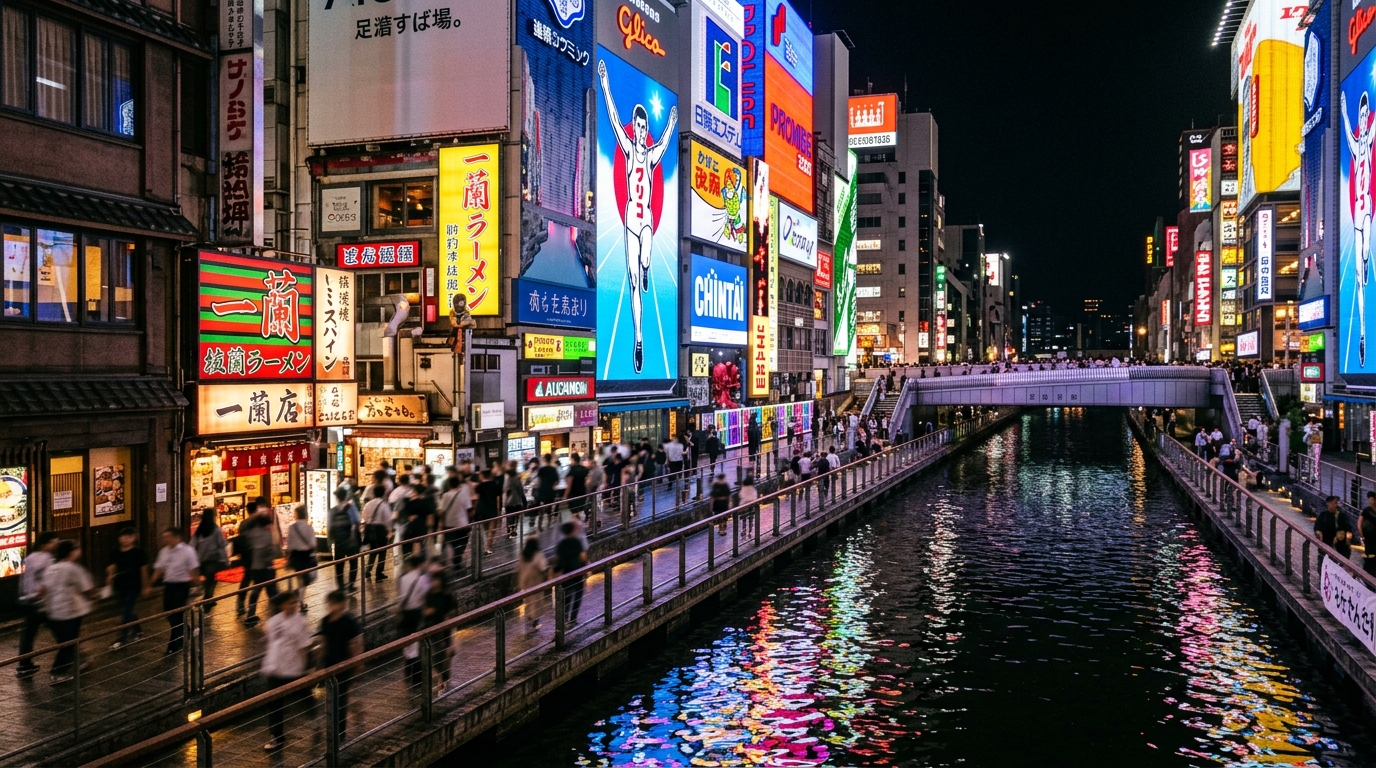

Finding the best things to do in osaka requires ignoring the glossy travel brochures and embracing the city’s raw, unpolished energy. When I first stepped off the 2.5-hour Shinkansen from Tokyo, the atmosphere shift was immediate; while Tokyo operates with a formal, corporate polish, Osaka feels like a loud, neon-soaked neighborhood where humor and grit collide. It is Japan’s undisputed food capital, a title earned through centuries of obsession with flavor.
Quick Summary of Your Trip
Food Scene: Prioritize takoyaki and okonomiyaki in the Dotonbori district.
Essential History: Spend your morning at Osaka Castle and Shitennoji Temple.
Day Trips: Osaka serves as a convenient hub for visiting Kyoto, Nara, and Kobe.
Modern Attractions: Don’t miss Universal Studios Japan or the digital teamLab Botanical Garden.
Shopping: Explore Shinsaibashi-suji for retail or Den Den Town for electronics.
Deep Dive into Iconic Landmarks
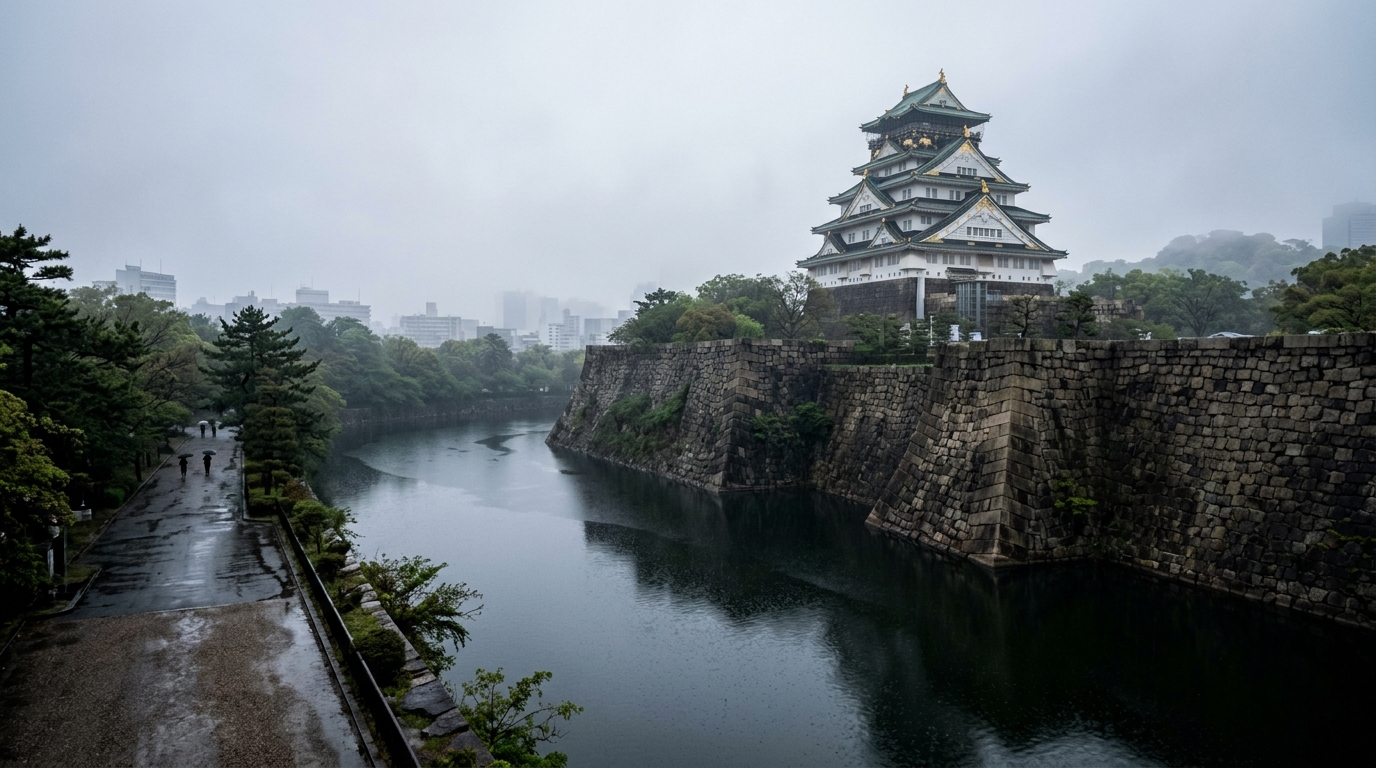
Osaka Castle remains the city’s most recognizable structure, originally built in 1583. My own visit took place on a rainy Tuesday; the grounds were blissfully quiet, which offered a stark contrast to the busy five-story museum inside. Tickets usually cost about $7, which makes it one of the most accessible cultural sites in the region.
If you want a panoramic perspective, the Umeda Sky Building is a must-see. The floating garden observatory provides a 360-degree look at the urban sprawl, but be warned: the logistics can be brutal. I once waited in line for 40 minutes for the elevator at 6:00 PM, which was a frustrating way to end an otherwise productive day. If you go, aim for a mid-afternoon slot to bypass the sunset crowds.
Why Osaka Rules the Culinary Scene
Recent 2026 industry rankings have solidified Osaka as a global dining powerhouse. La Cime, helmed by chef Yusuke Takada, has officially outperformed many of Tokyo’s legendary establishments. It masterfully blends French cooking techniques with local ingredients like produce from Amami Oshima.
For a more accessible vibe, the street food in Dotonbori is the heartbeat of the city. I spent an entire evening bar-hopping between stalls, eventually settling on takoyaki at Wanaka and savory okonomiyaki at Fukutaro. If you appreciate craftsmanship, walk over to Sennichimae Doguyasuji Street. Watching the artisans sharpen professional-grade Japanese kitchen knives is a hypnotic experience, even if you never intend to buy a blade yourself.
Comparison: Namba vs. Umeda Stays
| Feature | Namba District | Umeda District |
|---|---|---|
| Best For | Nightlife & Street Food | Transport & Connections |
| Vibe | Cultural & Energetic | Polished & Efficient |
| Key Perk | Near Glico Man sign | Fast trains to Kyoto/Kobe |
Shopping and Pop Culture Trends
If your interests lean toward anime, manga, or vintage hardware, head to Nipponbashi Denden Town. It feels like a more approachable, less aggressive version of Tokyo’s Akihabara. You can find everything from flagship electronics at Edion Namba to rare collectibles tucked away in narrow, dusty hobby shops.
For standard retail therapy, Shinsaibashi-suji is a massive 580-meter covered corridor. While it is home to plenty of fashion boutiques, it is also a magnet for large crowds. When the main thoroughfare feels too claustrophobic, I always retreat to the Don Quijote Midosuji branch; it is open 24 hours and offers a far more relaxed environment for late-night shopping.
Strategic Day Trips
Osaka is the perfect base for exploring the Kansai region. Because the train network is so efficient, you can easily access these nearby cities:
Kyoto: 30–45 minutes for temples and traditional culture.
Nara: 40–50 minutes to see the free-roaming deer and the giant Buddha statue.
Kobe: 25–30 minutes for harbor views and high-end beef.
Frequently Asked Questions
How many days should I actually spend in Osaka?
I recommend a three-day minimum for first-time visitors. Two days cover the core food experiences and essential sights, while the third day gives you the flexibility to visit Universal Studios Japan or spend a quieter morning at the teamLab Botanical Garden without feeling rushed.
Is Osaka more expensive than other Japanese cities?
Generally, no. Most travelers find Osaka significantly more budget-friendly than Tokyo. Whether you are grabbing a quick bowl of ramen or paying an entrance fee for a historical site, your money stretches further here. Just avoid the most obvious tourist traps in the dead center of Dotonbori during public holidays.
Should I stay in Namba or Umeda?
Choose Namba if you want immediate access to nightlife, street food, and the iconic Glico Man sign. Choose Umeda if your primary goal is to use the city as a transit hub for daily trips to Kyoto, Nara, or Kobe. Umeda is much better connected to the regional train lines.
Final Thoughts on Your Journey
Osaka is a place that requires patience; you have to look past the neon noise to find the actual soul of the city. While the theme parks and popular bridges draw the masses, the real value lies in the specialized markets and the genuine, loud hospitality of the locals. Keep your schedule loose, leave space for spontaneous snacking, and try not to over-plan. You will find that this city stands perfectly on its own merits without needing to mimic the style of its larger neighbors.