
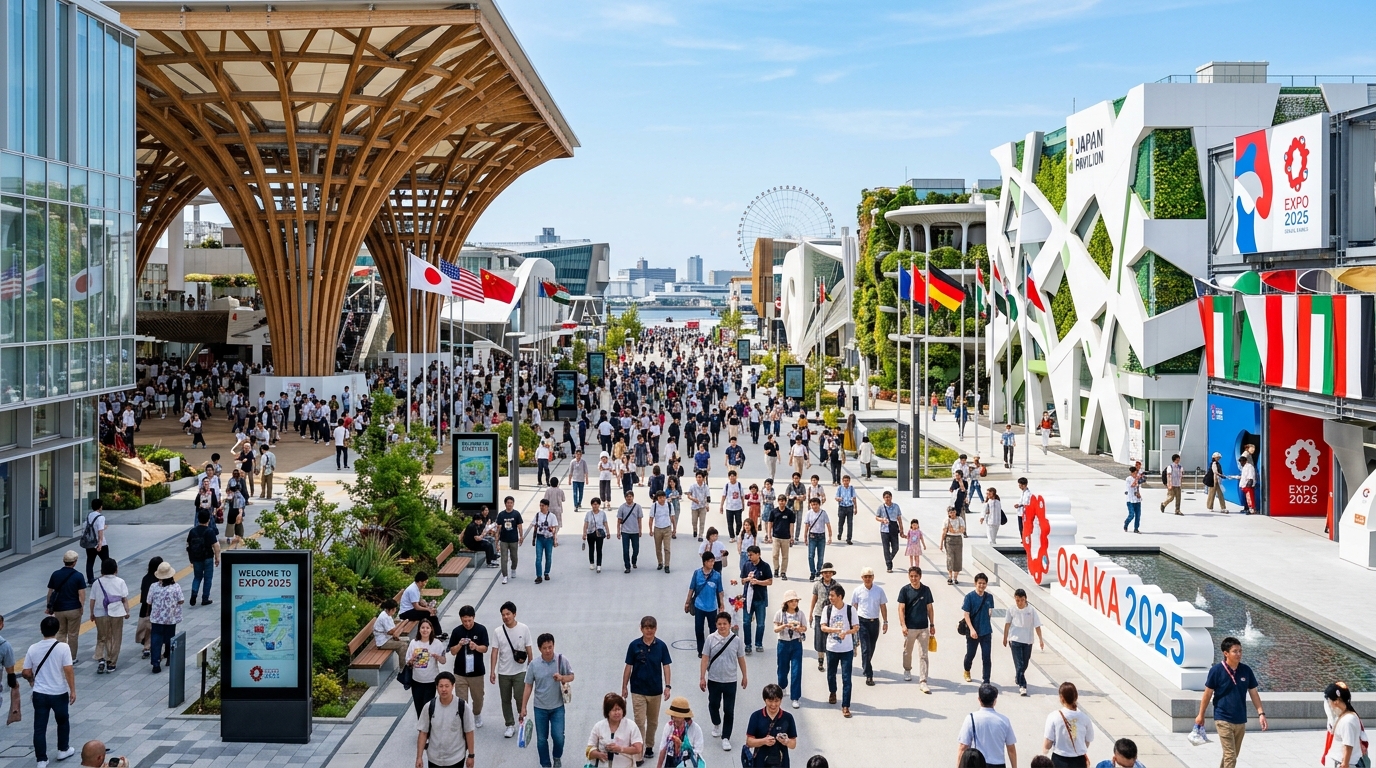

Navigating the osaka Expo 2025: Your Essential Planning Survival Guide
Attending the Osaka Expo 2025 is a logistical challenge that requires far more preparation than a standard vacation if you want to actually experience the global exhibits. Running from April 13 to October 13, 2025, on the artificial island of Yumeshima, this event represents the first time Japan has hosted a World Expo in two decades. I spent weeks pouring over maps and transit plans, and I can tell you from experience: if you show up expecting a spontaneous stroll through the pavilions, you will likely spend your entire day standing in line or walking to the wrong entrance.
Strategic Access and Gate Management
When I first checked the layout, I made the mistake of assuming all entry points were equal. They are not. The site is strictly divided into the East Gate and the West Gate. Your ticket is electronically linked to a specific entry point. If you arrive at the East Gate with a West-bound ticket, you face an exhausting walk or a potentially slow shuttle bus ride. For those using the Osaka Metro Chuo Line, the East Gate is your primary point of entry. Always double-check your booking confirmation before boarding the subway. I recommend booking your entry slot at least 24 hours in advance to guarantee access, as the organizers tightly control crowd flow.
Mastering Pavilion Reservations
Securing access to high-demand pavilions, such as the Japan Pavilion or the Bandai Namco exhibit, is effectively a strategic game. You generally have three avenues to secure a spot:
Lottery system: This opens exactly two months and seven days before your visit. If you know your dates, set a calendar alarm immediately.
Advance Booking: A “first-come, first-served” system that goes live three days before your visit at midnight JST.
On-site Kiosks: If you fail the digital race, there are 16 kiosks located across the park. These become active 10 minutes after the gates open. I tried this on a Tuesday; I waited 45 minutes just to reach the interface, only to find the most popular spots already claimed.
For the best results, try visiting during the fringes of the day—specifically between 9:30 a.m. and 10:30 a.m. or during the final hour before closing (typically 7:30 p.m. to 8:30 p.m.).
Logistics and Digital Preparation
The Expo grounds operate on a fully cashless payment system. You cannot pay with yen coins or notes at any stall, restaurant, or kiosk. Ensure your digital wallet—Apple Pay, Google Pay, or a physical contactless IC card like Suica or ICOCA—is pre-loaded with sufficient funds. I also found that my phone battery drained twice as fast as usual due to the EXPO 2025 Visitors app. Always carry a high-capacity power bank. Furthermore, local cell towers often struggle with the influx of thousands of visitors. Do not rely on airport public Wi-Fi; secure an eSIM before you land to maintain a stable data connection.
Essential Expo Quick-Reference Table
| Feature | Requirement / Recommendation |
|---|---|
| Payment | Fully cashless (Digital wallets/IC cards) |
| Connectivity | Pre-purchased eSIM (Avoid public Wi-Fi) |
| Best Visit Times | 09:30–10:30 or 19:30–20:30 |
| Luggage | Prohibited (Use station coin lockers) |
| Entry Policy | Pre-booked gate and time slot mandatory |
Exploring Beyond the Expo Grounds
While the Expo is the main event, the city of Osaka thrives on its unique culinary culture. I spent an evening in Dotonbori, where I found that even the smallest street stalls serve world-class food. If you want an authentic experience, try the okonomiyaki at Okonomiyaki Fukutaro; the flavor profile is leagues above what you find in transit malls. For a quieter, slightly surreal experience, head to Shinsekai for kushikatsu*. Just keep the local etiquette in mind: the communal dipping sauce is for one use only. If you need a break from the futuristic atmosphere, the Sakai district offers a look at traditional knife-making that feels like stepping back in time.
Frequently Asked Questions
Can I realistically cover the entire Expo in one day?
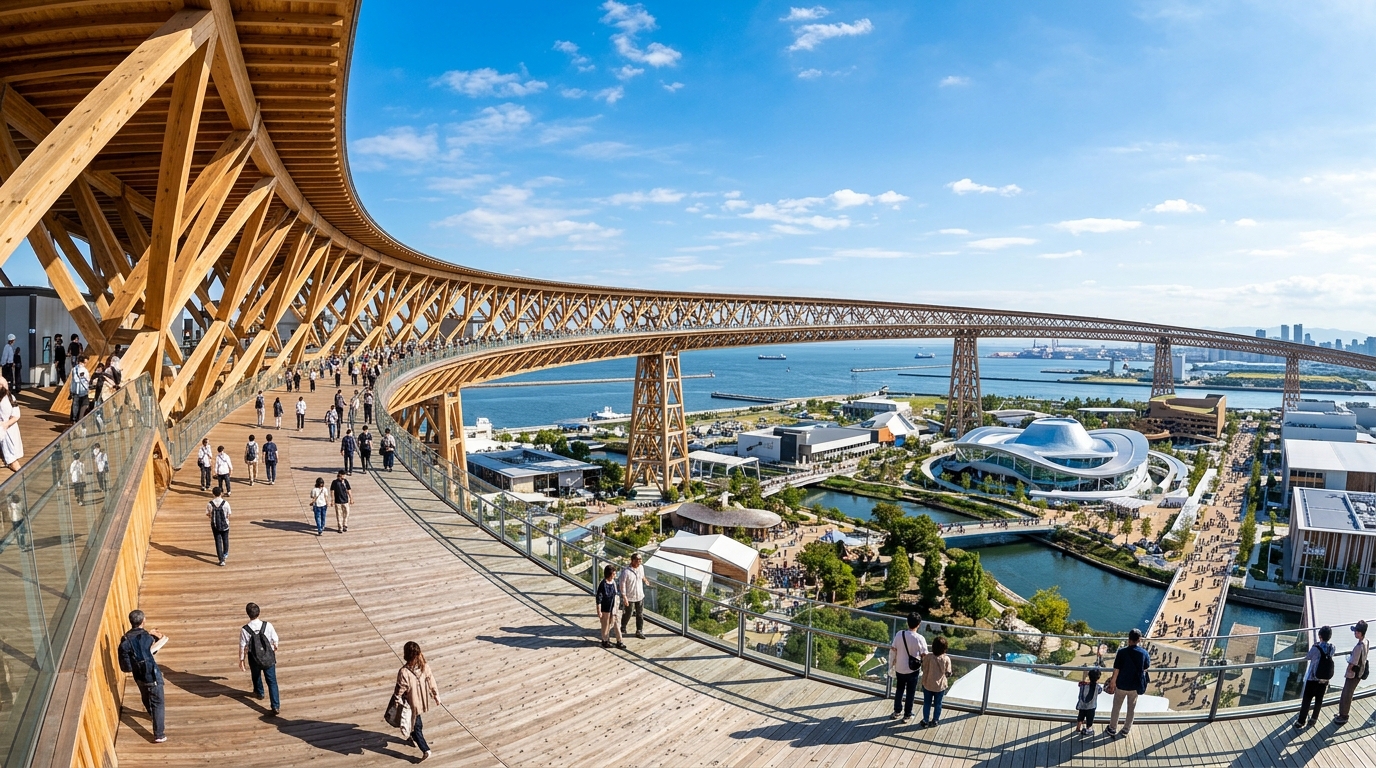
No. The site is massive, and you will spend significant time moving between the foreign, corporate, and “Future Life” zones. Attempting to see everything will leave you exhausted. I suggest a two-day approach: choose three “must-see” pavilions per day and use the remainder of your time to wander the Grand Ring or relax at the food courts. Quality beats quantity here.
Can I bring my own food and drinks to the site?
Yes, you can bring snacks, but avoid metal cans at all costs. I had a perfectly good soda confiscated at the security checkpoint because of the container rules. Stick to resealable plastic or paper packaging. On-site dining is excellent but frequently features long queues, so having a few bars or snacks in your bag will save you precious time during the lunch rush.
What is the best way to get to Yumeshima?
Private vehicles are banned from the island. The most efficient method is the Osaka Metro Chuo Line which terminates at the new Yumeshima Station. If you are staying in the city center, this is reliable, inexpensive, and fast. Buy a one-day subway pass to save on costs, as you will likely want to explore other parts of Osaka after your day at the Expo.
Final Advice
The Osaka Expo is an ambitious look at global cooperation, but its success depends on your ability to navigate the logistics. By embracing the cashless system, downloading the official app, and planning your entry gates in advance, you can avoid the common frustrations that catch many visitors off guard. Remember, even with the best plans, things will occasionally go sideways—keep your schedule flexible, enjoy the local food, and take time to simply sit on the Grand Ring and watch the world go by.