
Avoiding My japan Travel Mistakes for a Better Trip
Planning my first trip to Japan was an overwhelming task, and while I spent weeks reading blogs, I still made seven mistakes that I wish I could fix now. With over 60 million people heading to Japan annually, the competition for spots is intense. If you are planning a visit, especially during the busy cherry blossom season, learning from these errors will save you time, money, and frustration.
Quick Summary of Lessons Learned
Stay flexible: Don’t lock into rigid, pre-booked tours for weather-dependent views.
Strategic Booking: Book high-demand experiences like Sumo or high-end dining months out, but leave room for spontaneity.
Check local Calendars: Always search for local events to avoid missing major festivals or concerts.
Bridge the Gap: Use real-time translation apps like VoiceTra rather than relying on high-school language skills.
Prioritize Time: Tokyo is massive; spend at least 10 days there to truly see the distinct neighborhoods.
Pack Light: Navigating train stations with massive suitcases is a logistical nightmare; use luggage forwarding services.
- Embrace Local Etiquette: Small cultural nuances, like not blowing your nose in public, matter more than you think.
- www.businessinsider.com
- www.royalcaribbeanblog.com
- www.thetraveler.org
- travel.nine.com.au
- www.businessinsider.com
1. Don’t Pre-book Mount Fuji Tours
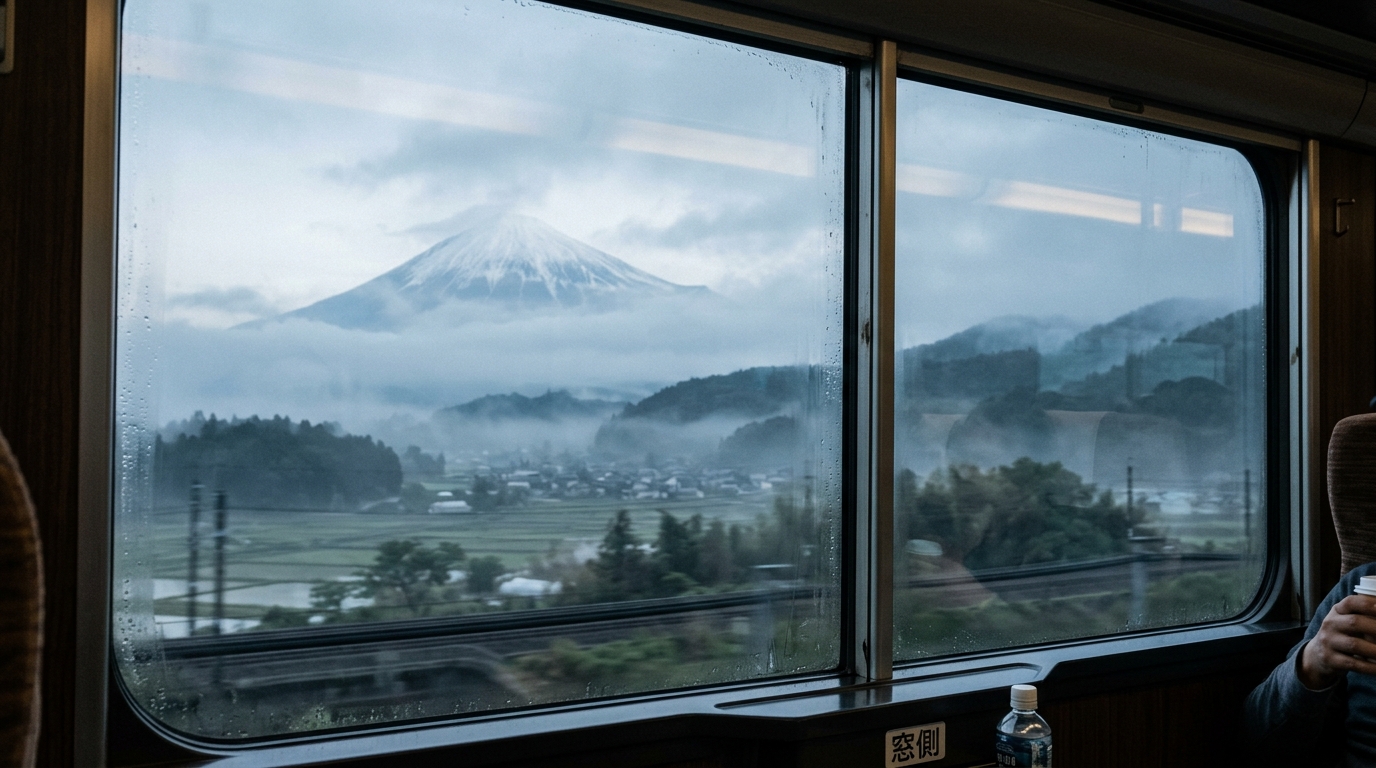
One of my biggest regrets was booking a high-priced Mount Fuji bus tour weeks before my arrival. I assumed that a professional company would guarantee a clear look at the peak, but Mother Nature had other plans. We spent the day driving through thick fog, and my best photo of the mountain was actually taken from my seat on the coach while looking at a cloudy horizon.
Instead of paying roughly $80 to $120 for a fixed-date tour, I now recommend waiting until you arrive. Most local operators offer last-minute bookings. Keep an eye on the Japan Meteorological Agency weather reports. If the sky looks clear, book your trip the day before. It allows for flexibility, ensuring you don’t waste an entire day of your vacation on a scenic tour with zero visibility.
2. Knowing What to Book (and What to Leave to Chance)
Japan presents a unique challenge: some experiences require booking months in advance, while others are best found by wandering. I found that I missed out on Sumo wrestling tickets and authentic matcha tea ceremonies because I assumed I could book them when I arrived.
Conversely, I accidentally stumbled upon the Ueno Park sakura festival simply by walking through the area on a Friday afternoon. That experience, complete with fresh street food and picnic spots under the trees, remains a core memory.
The Booking Strategy
| Item | Strategy |
|---|---|
| Sumo Tournaments | Book 3+ months early |
| Omakase Dining | Book 2 months early |
| Theme Park Express Passes | Book 1 month early |
| Public Parks | Walk-in/Spontaneity |
| Izakaya Bars | Walk-in/Spontaneity |
3. Don’t Miss Local Events
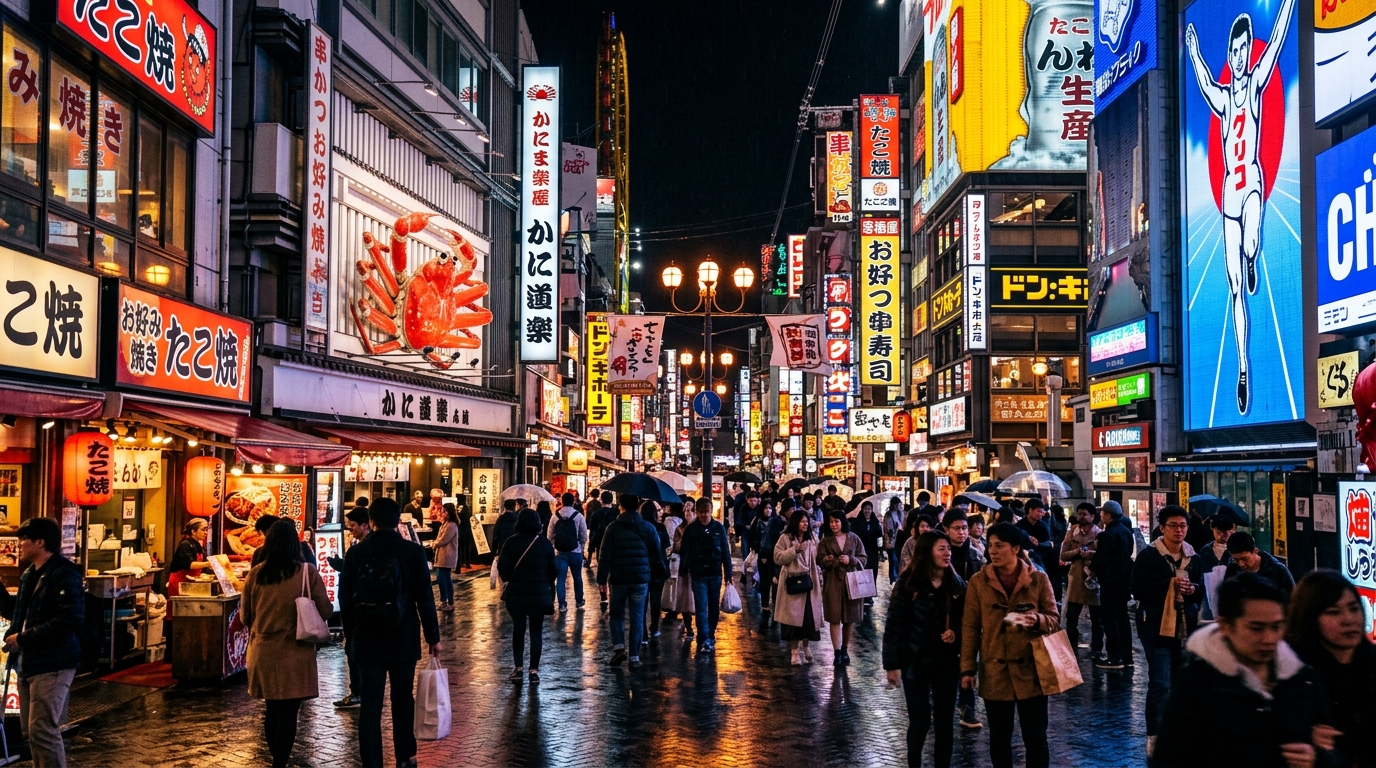
While wandering through Osaka, I discovered that my favorite international DJ, Alison Wonderland, was playing a show that same evening. I was devastated to realize the event existed only after tickets had sold out. When traveling abroad, it is easy to get caught up in the checklist of major landmarks, but you should check local event calendars for music venues and festivals. A simple search on social media or local event websites could turn a standard evening into an experience you will remember for years.
4. Overcoming the Language Barrier
My high-school level Japanese was almost useless in real-world scenarios. During a taxi ride, I struggled to explain our destination until an Uber driver introduced me to VoiceTra. This app provides real-time voice translation and is a game-changer for tourists. It allowed us to have meaningful conversations about pop culture and local history that would have been impossible otherwise. Do not rely on gestures alone; download a reliable translation tool before you land.
5. Why You Need More Time in Tokyo
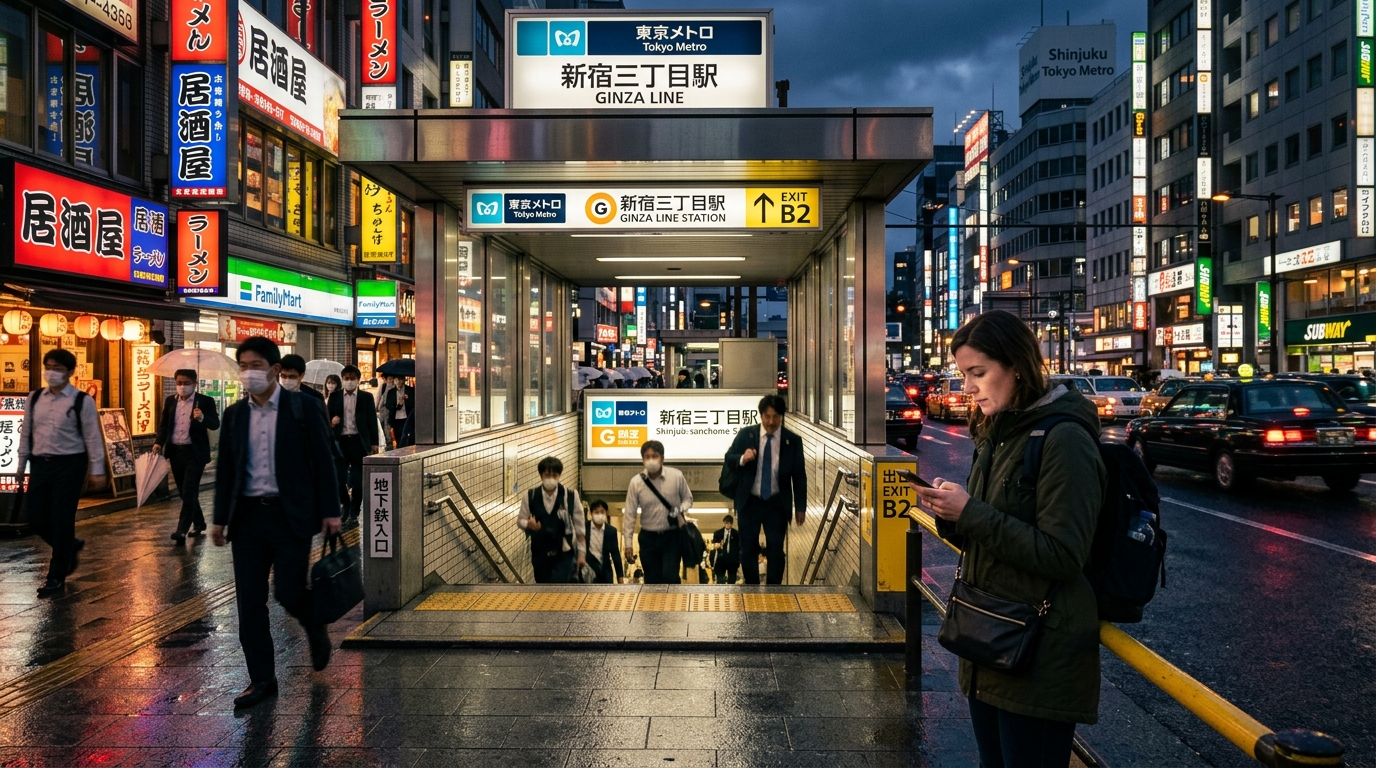
We spent seven days in Tokyo, and it was simply not enough. This city is a collection of distinct worlds; from the quiet, narrow alleys of Golden Gai to the massive, bright screens of Shibuya, you could spend a month here and only see a fraction of it. I spent a significant amount of time in Osaka, which is a great city, but I personally found more joy in the endless hidden bars of Tokyo. If you are not a major foodie, consider shortening your time in the Kansai region to allow for more deep-dives into Tokyo’s neighborhoods.
6. The Luggage Logistical Nightmare
One mistake I see travelers make constantly is hauling oversized suitcases onto the Shinkansen. I learned the hard way that many Japanese train stations lack elevators, and dragging a 50lb bag up three flights of stairs is not how you want to start a vacation. Use the Takkyubin (luggage forwarding) service. For about $15-$20, they will ship your bags from your hotel to your next destination, letting you travel freely by train. It is a small price to pay for the freedom to navigate transit hubs without breaking a sweat.
7. Understanding Social Etiquette
I committed a social faux pas by blowing my nose in public—an act considered quite rude in Japan. I also realized that my loud talking on the train drew annoyed glares from locals. Public order is maintained through quiet behavior. If you are on a train or in a public space, keep your voice low and your phone on silent mode. It is a sign of respect that goes a long way with the locals.
Frequently Asked Questions
Is it really necessary to book everything in advance for Japan?
No, not everything requires a reservation. While high-demand items like Sumo matches or specific museum entries sell out quickly, much of the beauty of Japan is found in its spontaneity. Use a 70/30 rule: book your essential transport and major attractions in advance, but leave 30 percent of your time open to explore neighborhoods on foot. This allows for those magical, unplanned discoveries that often become the highlight of the trip.
What is the best app for navigating Japan as a foreigner?
Beyond standard navigation tools like Google Maps, I highly recommend downloading a real-time translation app like VoiceTra. Additionally, if you plan to use public transit extensively, research the local transit card options (like Suica or Pasmo) available on your smartphone. These cards are essential for seamless, tap-and-go travel across buses and trains, saving you from fumbling for exact change every time you board. Also, check for the latest versions of these cards, as some have transitioned to digital-only options on modern smartphones.
Is cherry blossom season actually worth the crowds?
Yes, the aesthetic appeal of the sakura season is unparalleled. However, be prepared for massive crowds at all the major viewing spots. If you want a more relaxed experience, look for parks slightly outside of the major city centers or visit your preferred spots at sunrise. You will get much better photos and a quieter atmosphere before the tour groups arrive around 10:00 AM. While the beauty is undeniable, do not underestimate the sheer volume of tourists; plan accordingly to avoid feeling claustrophobic.
Final Thoughts
Looking back, my mistakes in Japan were actually valuable lessons. I realized that the best parts of travel aren’t always what you planned in a spreadsheet. While I regret missing the concert in Osaka or the tea ceremony, those gaps in my itinerary led to unexpected nights at bars in Tokyo where I met friends from all over the world. Japan is a country that rewards those who go with the flow while keeping a few key logistical details handled in advance. Do your research, use the local services, and remember that sometimes the most memorable moments happen when you put the map away.