
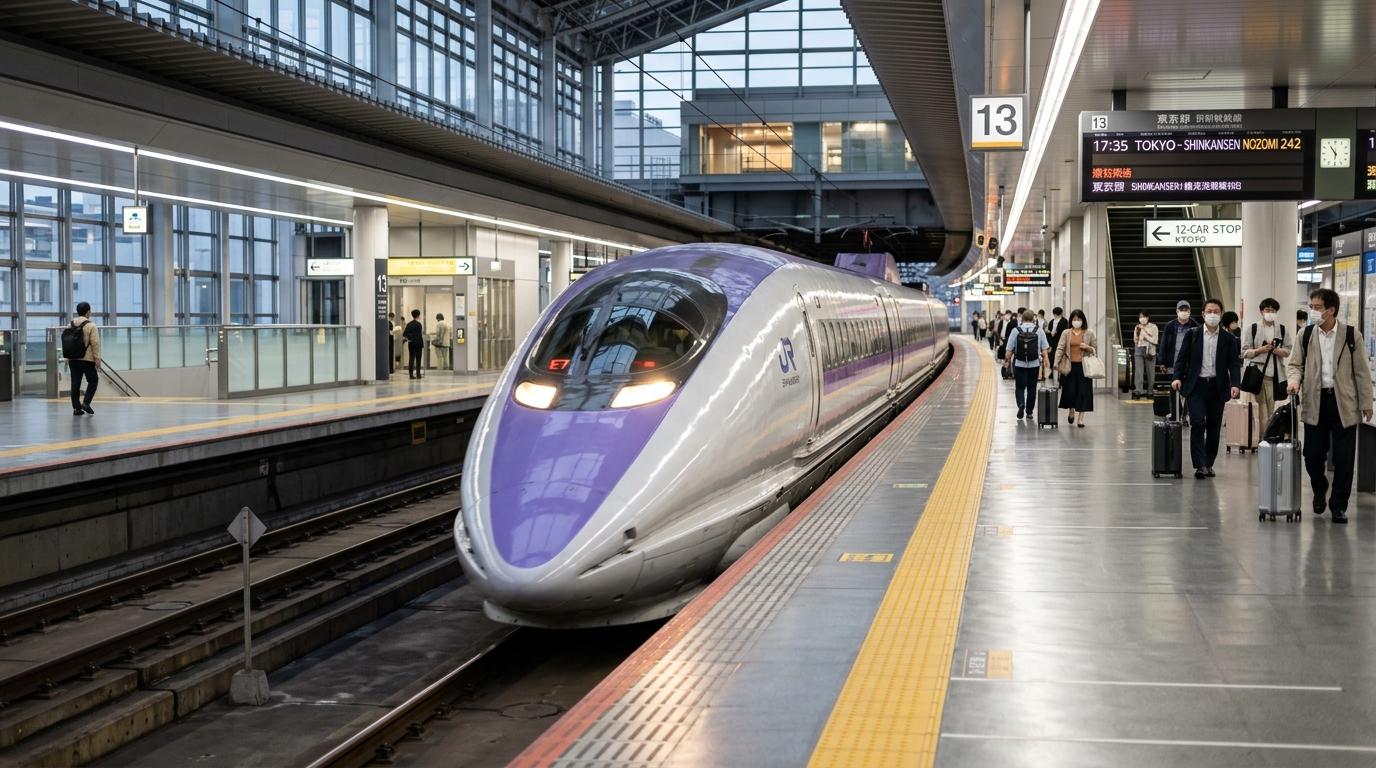

Navigating Japan’s transportation costs in 2026 is the primary challenge for any traveler aiming to explore the country without blowing their entire budget. During my first solo trip in 2018, I bought a 14-day national pass without hesitation, believing it was the mandatory key to the kingdom. Returning last year, I quickly realized that the old-school approach is now effectively obsolete. The transportation landscape has evolved, and today, you must calculate every single move to avoid paying for train miles you will never actually use.
Why the JR Pass Lost Its Crown
For nearly two decades, the Japan Rail (JR) Pass stood as the gold standard for international visitors. It promised unlimited Shinkansen access at a flat rate that felt like a permanent steal. Following the massive price restructuring in late 2023, the equation shifted significantly. The 7-day pass now sits at approximately 50,000 yen, which is a significant barrier to entry for casual travelers.
Unless your itinerary involves a frantic, high-speed pace of hitting multiple distant cities every single day, you are essentially subsidizing the convenience for everyone else. I learned the hard way that convenience has a price; on my last trip, I calculated my point-to-point costs and found that a 7-day pass would have cost me 18,000 yen more than buying individual tickets. Always verify your specific route before committing your cash.
The Pivot to regional Rail Alternatives
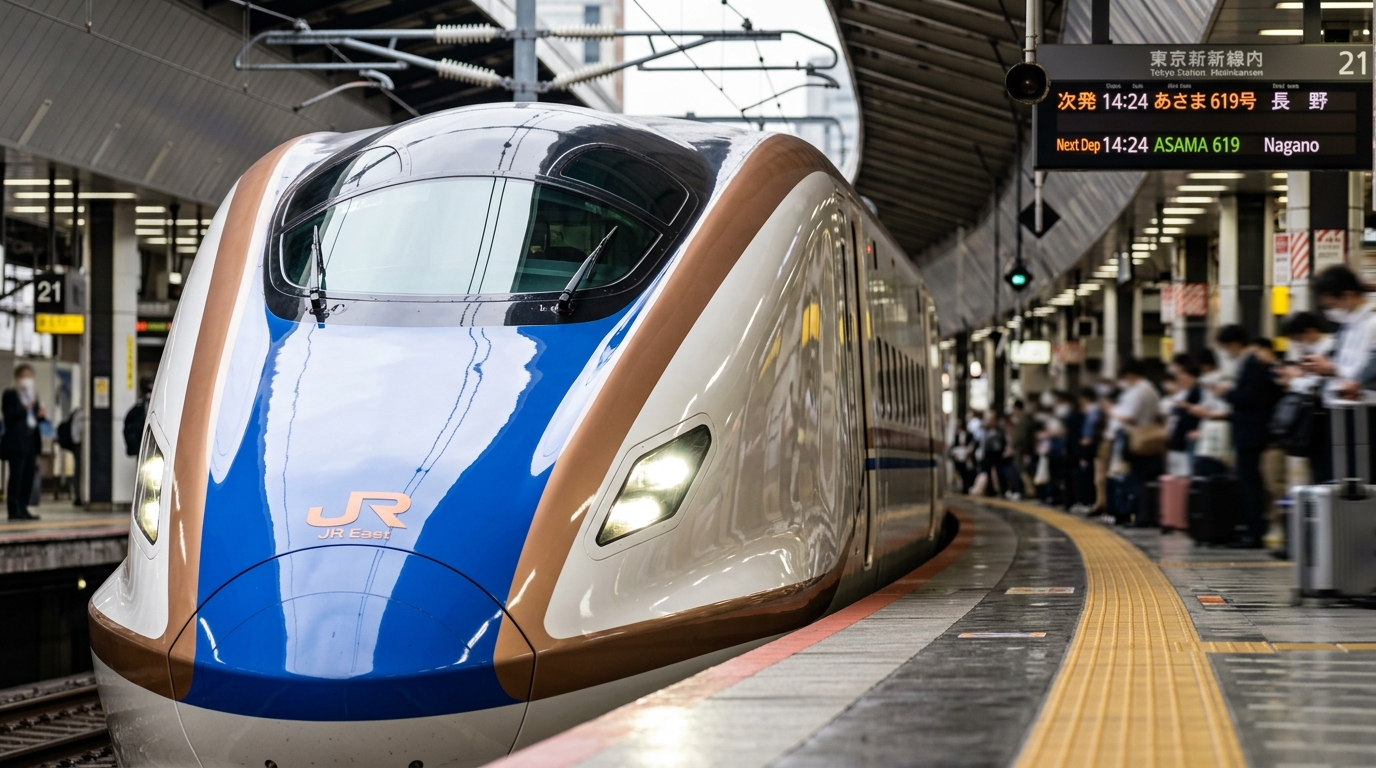
Instead of the national pass, I now focus exclusively on regional rail alternatives. These provide targeted coverage for specific zones, which is usually exactly what a modern, intentional traveler needs. Consider these options for your 2026 plans:
JR Hokkaido Rail Pass: Essential for those venturing into the northern reaches, including Sapporo, Otaru, and the rugged Hakodate corridor.
JR East Pass (South Hokkaido): My preferred choice for the Tohoku region and the Nagano ski mountains, offering access to high-speed routes without the national surcharge.
- JR West Pass: This is arguably the most versatile option for first-time visitors, covering the primary hubs of Kyoto, Osaka, Kobe, Nara, and Hiroshima.
- Tokyo Subway Ticket: Available for 24, 48, or 72 hours. I find the 72-hour pass pays for itself within three rides. It works perfectly for Tokyo Metro and Toei Subway lines.
- Kyoto City Bus & Subway Pass: Great for visiting historic sites. However, be warned: Kyoto buses often get severely overcrowded during midday. I once spent 50 minutes waiting for a bus to Kinkaku-ji; a subway connection is almost always the superior choice if available.
- Osaka Amazing Pass: This is a genuine traveler hack. It covers unlimited subway and bus rides while including free entry to major tourist sites like Osaka Castle.
- www.commentary.org
Maximizing Urban Travel with City passes
Once you arrive at a major hub, the Shinkansen becomes irrelevant. You need tactical solutions for metropolitan transit. In my experience, city-specific passes provide the highest return on investment.
The Math Behind the Journey
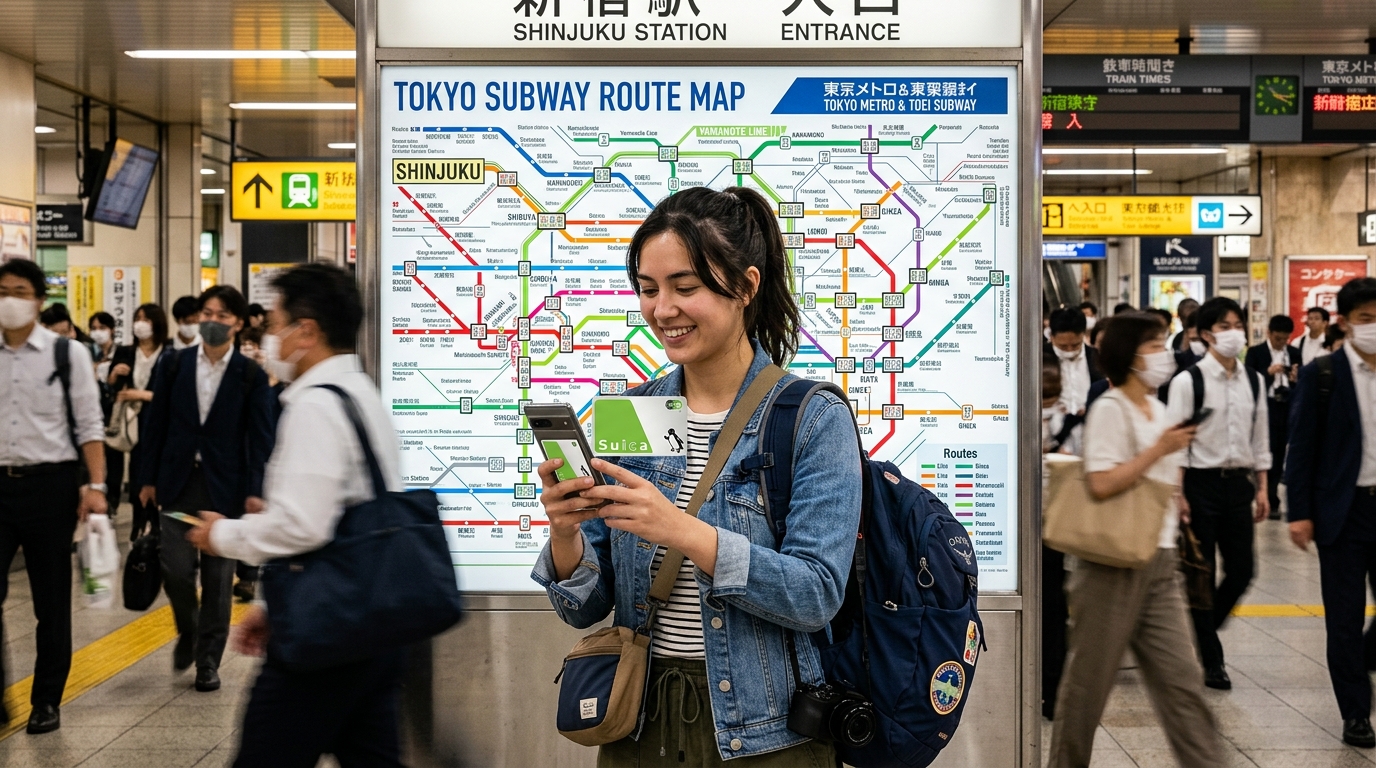
To decide if any pass is worth the investment, I follow a rigid three-step audit. First, draft your complete, day-by-day itinerary. Second, use Google Maps or Japan Transit Planner to calculate the cost of every train segment. Third, compare that total to the price of your target pass. If the pass is within 10% of your total, I generally skip it. Paying full price for individual tickets grants you the freedom to change your plans on the fly without feeling tied to a specific rail network.
The Cognitive Load: A Reality Check
One frustration that rarely gets mentioned is the sheer mental effort of juggling multiple digital and physical passes. During my last trip, I carried a physical regional pass, a digital Suica card on my iPhone, and a pre-paid metro pass. I accidentally tapped the wrong card at a Kyoto barrier, which caused an annoying delay while I sorted it out with the station attendant. It is a minor nuisance, but it happens to the best of us. Don’t expect a perfectly seamless experience; even seasoned travelers trip up occasionally.
Understanding Japan’s Strategic Stance
While we navigate rail lines, it is worth noting how the country operates. Japan’s approach to infrastructure—and even its defense posture—is defined by a philosophy of quiet, substantive endurance rather than theatrical display. Much like their trains which prioritize precision over flash, Japan’s national strategy is built on long-term stability and regional partnerships. As a traveler, you will feel this reliability in the punctuality of the network. It is this commitment to detail that makes the Japanese transit system a model for the rest of the world to follow, even when the pricing becomes more complex.
Frequently Asked Questions
Is the 50,000 yen JR Pass worth it for a one-week trip from Tokyo to Kyoto?
Generally, no. A round trip between Tokyo and Kyoto costs significantly less than the price of a 7-day national JR Pass. This pass is only financially viable if you are planning an extremely aggressive travel schedule that spans from the northern islands of Hokkaido down to Hiroshima within a seven-day window. If you are sticking to the classic “Golden Route” between Tokyo and Kyoto, you will save a substantial amount of money by purchasing individual, point-to-point tickets as you go.
Can I use the Tokyo Subway Ticket on JR trains?
No, you cannot. This is a very common point of confusion. The Tokyo Subway Ticket is valid exclusively for Tokyo Metro and Toei Subway lines. It does not cover the JR Yamanote line, which is the famous loop train that circles the heart of Tokyo. If you rely heavily on the JR network, I recommend loading a digital Suica or Pasmo card on your smartphone, which functions across all operators and eliminates the need for paper tickets.
How far in advance should I buy regional rail passes?
Most regional passes can be purchased online via official JR websites or at major stations upon your arrival. I personally prefer buying them online 2-3 weeks before my trip to save time at the station. However, always check the specific activation rules. Some passes require activation on a specific start date, while others allow a window of time. Remember to carry your passport, as you are required to show it at the station to verify your short-term visitor status.
Conclusion: Plan, Don’t Guess
Traveling through Japan in 2026 requires a disciplined mindset. Move away from the “one pass covers all” mentality and lean into regional and city-specific solutions. By taking the time to map out your routes and compare the prices of individual tickets versus bundled passes, you can preserve your budget for what actually matters: eating fresh sushi at a local market or discovering a quiet, authentic ramen shop in a suburban backstreet. It takes a little extra work upfront, but the financial payoff and the flexibility you gain are well worth the effort for any traveler looking to experience the country in depth.