
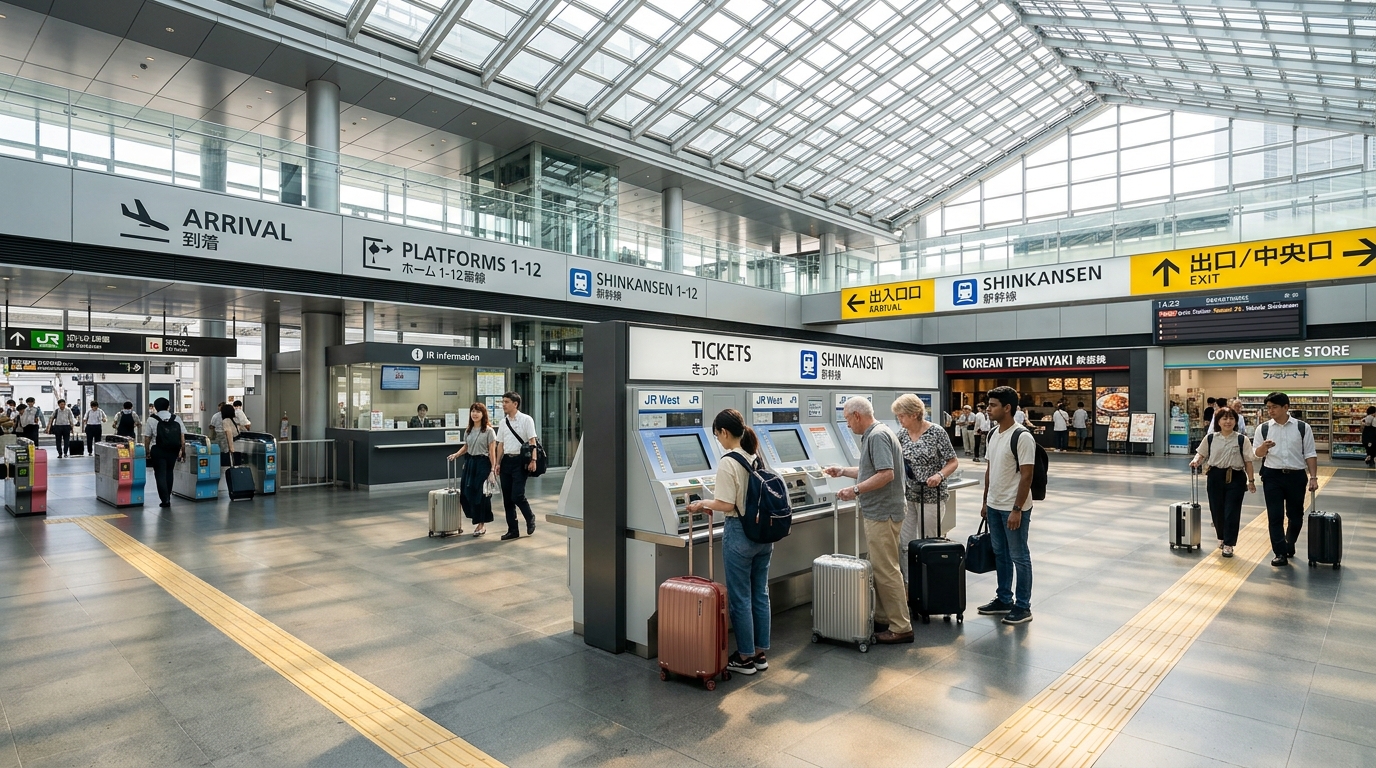

Navigating Japan airport transport starts the moment you land, and getting it right is the difference between a seamless arrival and a stressful two-hour delay. I remember my first trip to Kansai International Airport (KIX); I spent way too long staring at a sea of train ticket machines, completely unsure which line would actually get me to central Osaka. Since then, I have learned that the secret to a smooth trip is deciding on your transit method before your plane even touches the runway.
Quick Summary: Essential Transit Hacks
Go Hands-Free: Use luggage forwarding (Takkyubin) services to send bags directly to your hotel.
Digital Passes: Always carry a pre-loaded IC card (Suica, Pasmo, or Icoca) for local transfers.
Regional Specials: Look for bundled train-and-pass sets, such as the Haruka + Icoca deal.
Bus vs. Train: Choose the Airport Limousine bus if you are traveling with large suitcases or small children.
Kansai International Airport (KIX): Gateway to Osaka and Kyoto
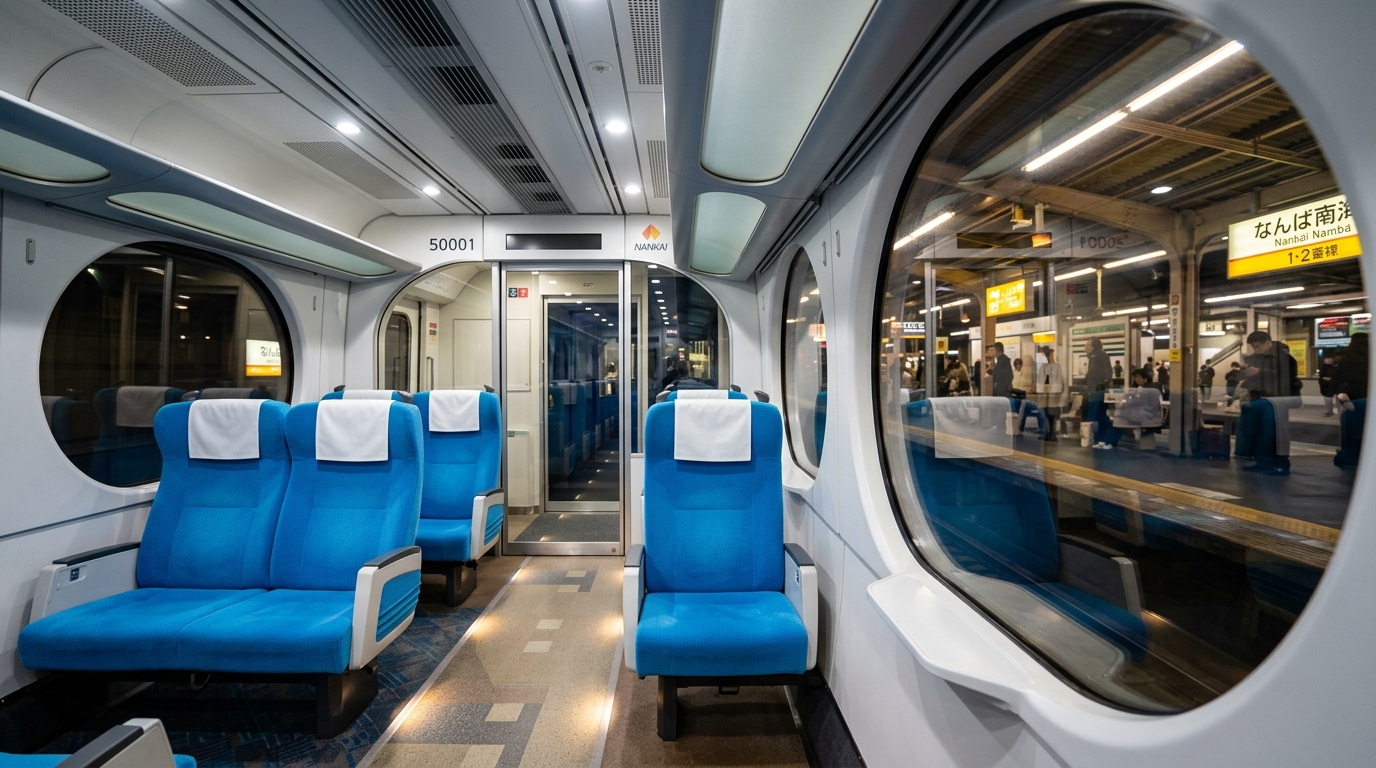
KIX serves as the primary hub for the Kansai region. If you are heading to Kyoto, the most efficient route is the Kansai-Airport Express Haruka. I personally recommend purchasing the Icoca & Haruka set at the JR West foreign tourist booth. For ¥3,030, you get a one-way trip on the express train plus an Icoca card loaded with ¥1,500 of credit for local subway use. It is a fantastic value, though the lines at the tourist booth can be long. If you are staying in the Namba district, skip the JR train and head straight to the Nankai Railway station for the Limited Express Rapi:t. The 34-minute ride costs ¥1,430 and features an iconic, retro-futuristic rounded nose that you really can’t miss.
Airport Transit Comparison
| Service | Destination | Time | Cost (Approx) |
|---|---|---|---|
| JR Haruka | Kyoto Station | 75 mins | ¥3,030 (set) |
| Nankai Rapi:t | Namba Station | 34 mins | ¥1,430 |
| Airport Bus | Various | 60-90 mins | Varies |
The Realities of Transit: Trash and Logistics
A major culture shock for many visitors is the total lack of public trash cans. After the 1995 subway incident, authorities removed almost all bins for security. I learned the hard way that you have to keep your trash in your daypack until you reach your hotel or a convenience store (konbini). Do not expect to find a bin at the train gate; just carry a small plastic bag for your day’s waste.
Beyond the Rail: Hands-Free Travel in 2026
By 2026, Japan has truly revolutionized the ‘hands-free’ experience. Instead of wrestling with a heavy suitcase on a crowded train, you can now use standardized luggage forwarding desks at major hubs. I have used these services to send my bag from Narita directly to a hostel in Kyoto for less than $20. It allows me to hop on the Shinkansen with just a small backpack, making for a much lighter, more flexible day of exploring. If you are worried about your bags, most providers now offer real-time tracking through mobile apps.
Regional Transit Hubs
Nagoya and Chūbu Centrair
Nagoya’s Centrair airport is incredibly user-friendly. The Meitetsu μ-SKY train is the gold standard here, hitting Nagoya Station in just 30 minutes for ¥1,230. During peak holidays like Golden Week, I strongly suggest booking your seat in advance, as these cars reach capacity quickly.
Kyushu Access: Fukuoka Airport
Fukuoka Airport is remarkably close to the city center—a massive relief after a long-haul flight. You can reach JR Hakata Station in only five minutes via the local subway. If you are heading to Nagasaki or Kumamoto, check the international terminal for direct bus lines that bypass the city center entirely.
Hokkaido: New Chitose Airport
For those visiting Sapporo, the Rapid Airport train is the reliable choice. It takes 36 minutes and costs ¥1,070. If you are carrying heavy snow gear, spend the extra ¥360 for the U-Seat. The extra legroom and designated luggage space are well worth the minor cost difference.
Frequently Asked Questions
How do I manage Kyoto’s accommodation tax?
As of March 2026, Kyoto has implemented a new tiered accommodation tax. This is applied per person, per night, and is based on your total room rate. I was caught off-guard on a recent trip because the tax was not included in my initial online booking. Always check if your hotel collects this at check-in; it is a separate local tax and usually needs to be paid in cash or via a local payment method.
Is the airport limousine bus better than the train?
Yes, if you have more than one large suitcase. Trains in Japan are lightning-fast, but they are often packed. Maneuvering through narrow train car doors with multiple bags is difficult and can annoy other commuters. The Airport Limousine bus offers under-carriage storage and door-to-door service for many major hotels, providing a much lower-stress experience for families or travelers with bulky luggage.
What are the best apps for navigating stations?
I rely heavily on Google Maps for real-time train platform numbers and departure gates, but I also keep the Ubigi app for managing my eSIM data. If you are using luggage lockers, services like ‘ecbo cloak’ have turned cafes and shrines into secure storage spots, which is a lifesaver when you arrive at a station hours before your hotel check-in time.
Conclusion
Japan’s transport network is a marvel, but it requires a bit of pre-trip study to navigate like a local. By utilizing luggage forwarding services, choosing the right train pass, and being prepared for the lack of public trash bins, you can bypass the common headaches of international travel. Start by mapping your specific route a week before your flight. If you plan for the small details—like the Kyoto accommodation tax or booking express seats during holidays—you will spend far less time stressing over logistics and more time soaking in the experience.