
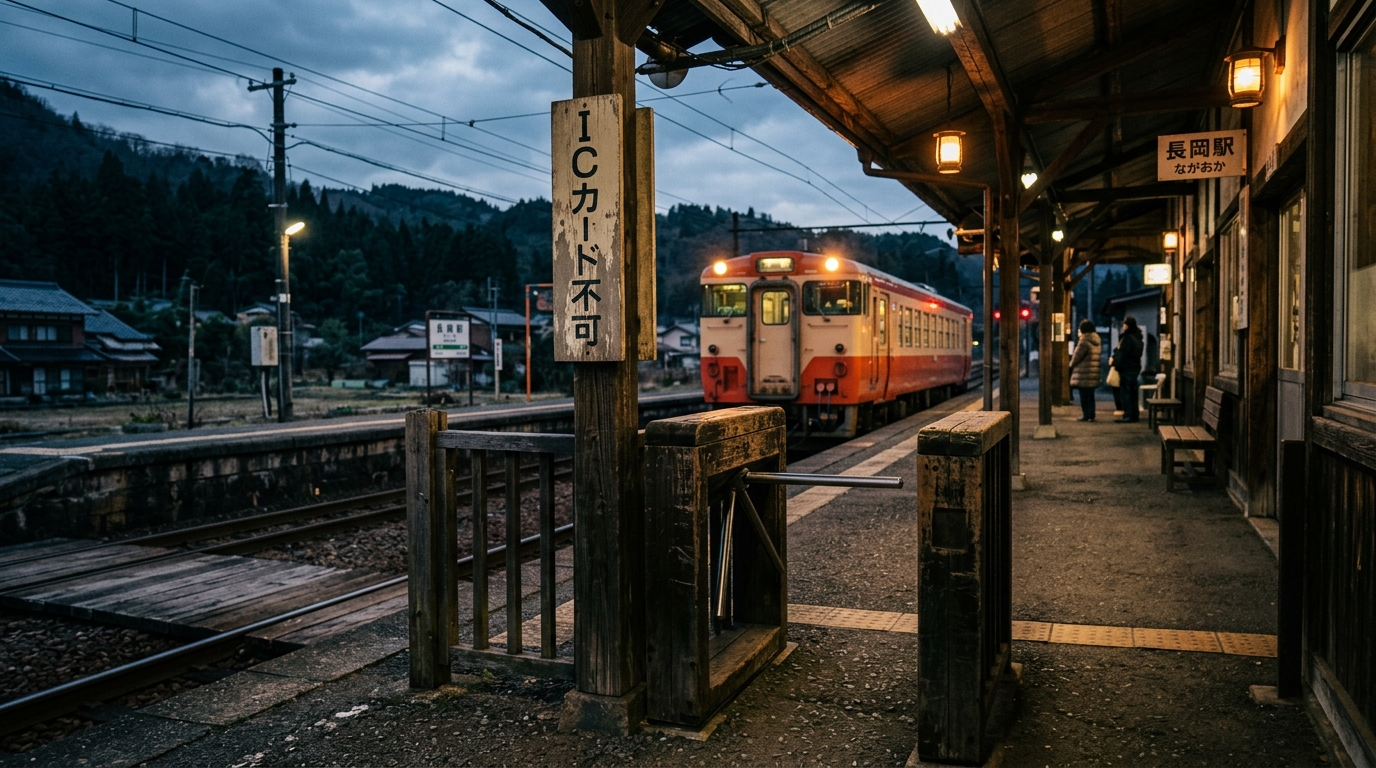

Japan’s IC transit card system, once the hallmark of frictionless travel, is currently facing an existential crisis as regional rail and bus operators abandon the technology due to soaring maintenance costs. As I traveled through rural Japan last spring, I realized that relying solely on my digital Suica was no longer a foolproof strategy for navigating the country’s secondary transit networks.
Why Regional Operators Are Cutting Ties
The convenience of tapping a card is expensive to maintain, and for many regional transport providers, that cost has become unsustainable. In Kumamoto, major operators announced they would stop accepting national IC cards like Suica and Icoca beginning November 16, 2024. The math is brutal: replacing 800 aging payment terminals requires an investment of 1.21 billion yen (approximately $8.1 million USD).
When I reviewed the financial reports for these operators, the struggle became clear. Following the pandemic, ridership in these specific regions dropped, and the bus services involved reported a 3.6 billion yen loss in fiscal 2023. If only 24% of your passengers are using a specific, high-maintenance payment method, continuing that service effectively subsidizes tech over the survival of the transit line itself.
The Shift to Modern Payment Alternatives
Operators are now pivoting toward more cost-effective solutions, specifically contactless credit card payments and QR-based ticketing. Kyoto’s Tango Railway, or Tantetsu, was an early adopter, transitioning to Visa touch payments as far back as 2020. This shift offers two distinct advantages for the industry:
Reduced Overhead: Installing credit card terminals costs significantly less than maintaining a proprietary, closed-loop IC infrastructure.
Tourist-Friendly: International visitors can tap their existing bank cards directly, bypassing the need to navigate complex card deposit systems or currency kiosks.
However, I must highlight a significant downside: the loss of regional integration. In Hiroshima, where the local Paspy residents relied on the local Paspy card for years, the transition is stripping away localized discounts and seamless transfers between smaller operators. For frequent commuters, losing these perks is not just an inconvenience—it is a tangible increase in their daily cost of living.
Urban vs. Rural Infrastructure Realities
National IC cards were designed as ‘large-city spec’ technology. They are optimized for the density of Tokyo or Osaka, where high-speed turnstiles must process 45 people per minute to prevent crushing congestion. When this high-density logic is forced into rural transit lines seeing only a few passengers an hour, the overhead costs per ticket become astronomical.
Railway journalist Jun Umehara has pointed out that the government pushed this unified system onto private operators without providing long-term support for hardware updates. The burden of this tech debt rests entirely on the companies, leading to the current fragmentation we see today. It feels much like the challenges I have witnessed in vocational education, such as the debate over funding legacy mechanical shops in U.S. technical high schools. If we cling to an expensive, outdated model without adjusting for modern economic realities, the physical infrastructure—the trains and buses themselves—will eventually cease to function.
Practical Tips for Your Next Trip
If you are planning an itinerary through Japan’s countryside, do not assume your digital Suica will work everywhere. I made the mistake of assuming rural lines were standardized and ended up stranded at a remote station in Okayama, scrambling to find coins for a paper ticket. Here are some ways to prepare:
- Carry Physical Yen: Always keep at least 5,000 yen in paper notes and coins. Rural stations often lack change machines for large bills.
- Verify Your Route: Use tools like Navitime, but double-check the ‘payment methods accepted’ section for local bus routes.
- Use Contactless Cards: Ensure you have a physical credit card with NFC (tap-to-pay). Some stations are upgrading to these systems faster than they are updating their official websites.
Frequently Asked Questions
Why are Japanese transit companies dropping IC cards?
It comes down to the staggering cost of terminal maintenance. Many of these machines are over a decade old, and the proprietary infrastructure required to link them to the national rail network is no longer profitable for rural lines with declining ridership. Companies are choosing to abandon this tech to keep their basic bus and rail services running for their local communities.
Will I still be able to use my Suica card everywhere in Japan?
No. While Tokyo, Osaka, and the major urban corridors are safe, rural regions like Kumamoto and parts of Hiroshima are actively moving away from these cards. Always check the official website of the local transit provider before you depart to ensure your card is still valid on their lines.
What are the benefits of the new credit card payment systems?
For travelers, these systems are far more intuitive. They eliminate the ‘language barrier’ of buying specific transit cards or navigating ticket machines. For the operators, these terminals are cheaper to lease and maintain, which is a vital move for preserving rural transit that might otherwise be forced to shutter permanently.
Looking Ahead
This transition marks a necessary, albeit painful, evolution for Japanese connectivity. The reality is that the era of universal, country-wide IC card coverage is likely ending as rural lines opt for leaner, digital alternatives. While this evolution is frustrating, it is arguably better than the alternative: the total closure of rural transport lines. As travelers, our role is to remain adaptable and continue supporting these local lines, even when the payment methods change.