
A New Era for japan Travel
Japanese travel reached an unprecedented peak in 2025 as over one million Australians flocked to the island nation, marking a significant 15 per cent jump from the previous year. This wasn’t just a random spike in holiday interest; it signals a fundamental change in how we engage with the archipelago. From the snow-laden peaks of Hokkaido to the quiet, moss-covered temple paths of Kyushu, the sheer desire to see Japan has hit a fever pitch. During my own trip last spring, I realized that my usual ‘show up and see’ strategy no longer works. I spent three hours stuck in a Tokyo station on a Monday morning because I misread a kanji sign during the rush, ending up miles away from my hotel. It was a humbling reminder that while Japan’s transit grid is a masterclass in efficiency, it is also a complex beast that demands preparation.
Quick Takeaways for Your 2026 Japan Trip
Record Volume: Over 1,058,300 Australian visitors arrived throughout 2025.
Regional Shift: Travelers are moving beyond the Tokyo-Kyoto-Osaka corridor.
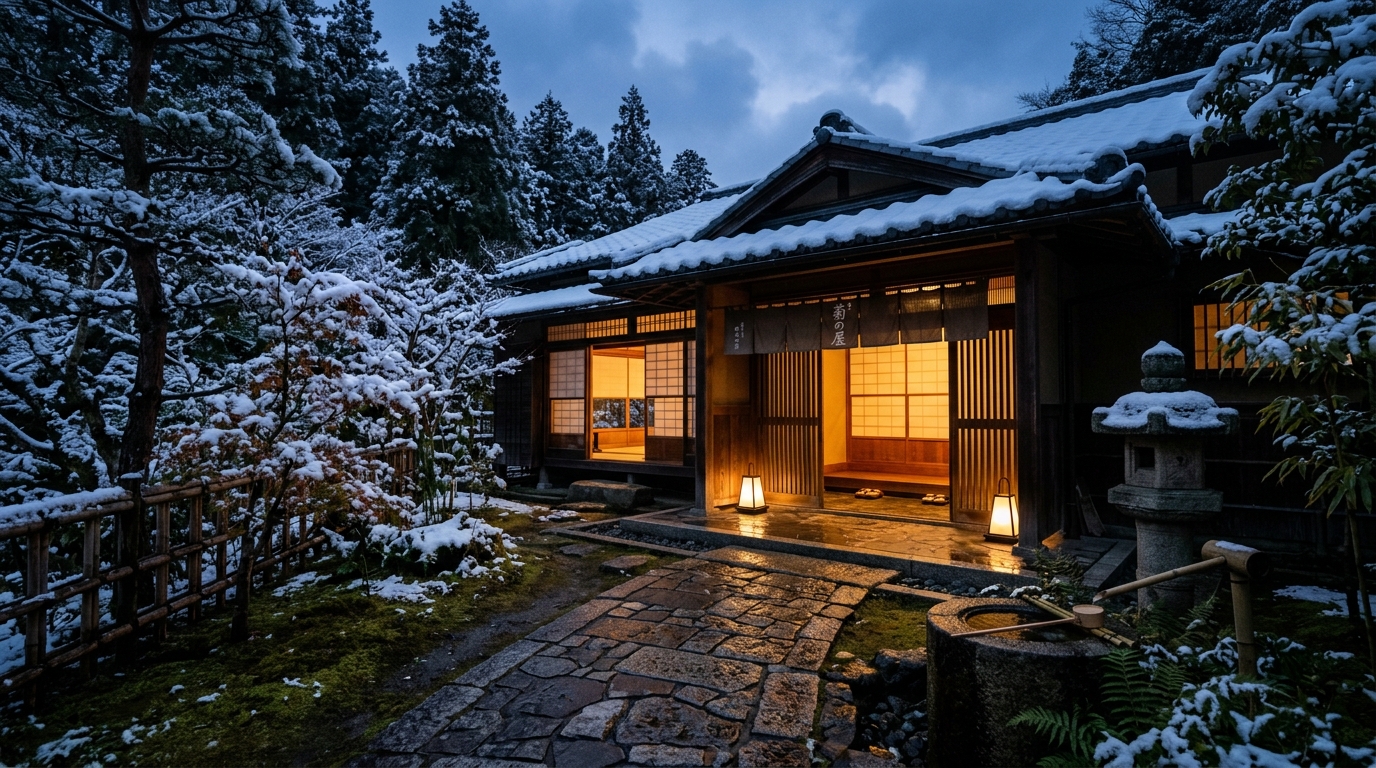
Planning is Key: Popular ryokans are often booked out three to six months in advance.
The ‘Off-Peak’ Strategy: Consider visiting in late October for cooler weather and fewer crowds.
Why Everyone Is Heading North
Out of the 1,058,300 arrivals in 2025, the distribution remained surprisingly steady year-round. While December pulled in 121,300 visitors eager for the winter sports season, even the traditional ‘shoulder’ months are losing their quiet status. When I tried to book a room in Kyoto for late April, I found almost every decent spot already occupied three months prior. The era of the ‘cherry blossom rush’ is no longer the only peak; year-round demand has become the new normal.
Table: 2025 Australian Arrival Trends
| Month | Estimated Arrivals |
|---|---|
| January | 140,185 |
| April | 115,235 |
| September/October | High Seasonal Growth |
| December | 121,300 |
Moving Beyond the Golden Route
Most first-time visitors stick to the well-trodden Tokyo-Kyoto-Osaka path, but the Japan National Tourism Organisation (JNTO) is now actively pushing travelers toward the countryside. Prefectures like Fukuoka, Gifu, Niigata, and Iwate are seeing occupancy rates climb as visitors look for something more grounded. I found this to be the biggest ‘win’ of my recent travel. After spending a week in a remote corner of Iwate, I realized that the lack of English signage was actually a gift—it forced me to interact with locals, use translation apps, and find the real rhythm of daily life.
Regional Highlights for Slow Travel
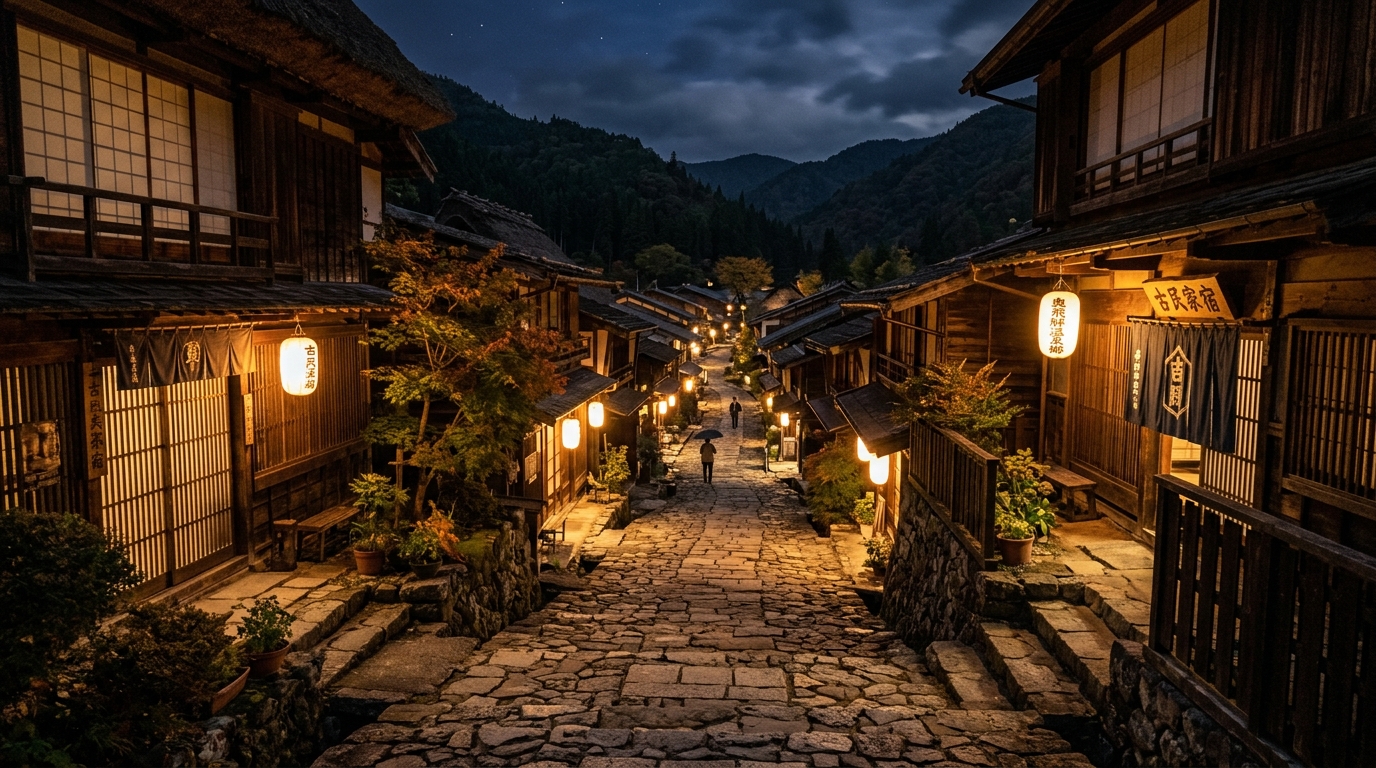
Gifu: Famous for preserved alpine villages that feel like time capsules.
Fukuoka: The undisputed king of street food culture; perfect for those who want a city feel without the Tokyo intensity.
- Iwate: Ideal for hikers who want to avoid the tour bus crowds completely.
- www.travelandtourworld.com
- www.travelandtourworld.com
- www.abc.net.au
- newsreel.com.au
- www.itij.com
The Reality of Rural Exploration
Let’s be honest: rural travel is harder. I once spent four hours on a local train just to reach a tiny wood-carving workshop in the mountains. The meditation session with the local monks was profound, but the journey back? I missed the final bus by two minutes because I was distracted by the sunset. I had to walk three miles in the dark with my heavy suitcase. If you head into the countryside, you must pack light and carry a reliable, high-speed portable Wi-Fi device. Connectivity can drop to nothing in deep valleys, and you don’t want to be stranded without a map.
Frequently Asked Questions
Is it worth visiting during peak cherry blossom season?
It is visually spectacular, but the crowds can be overwhelming. I visited in April once, and navigating the path to major temples felt like a mosh pit. If you must go during peak times, wake up at 5:00 AM. You will get the space you need, and the lighting for photos at dawn is superior to the harsh midday sun. If you can handle the cold, late October offers better value and a more relaxed pace.
How can I actually avoid the crowds in major hubs like Kyoto?
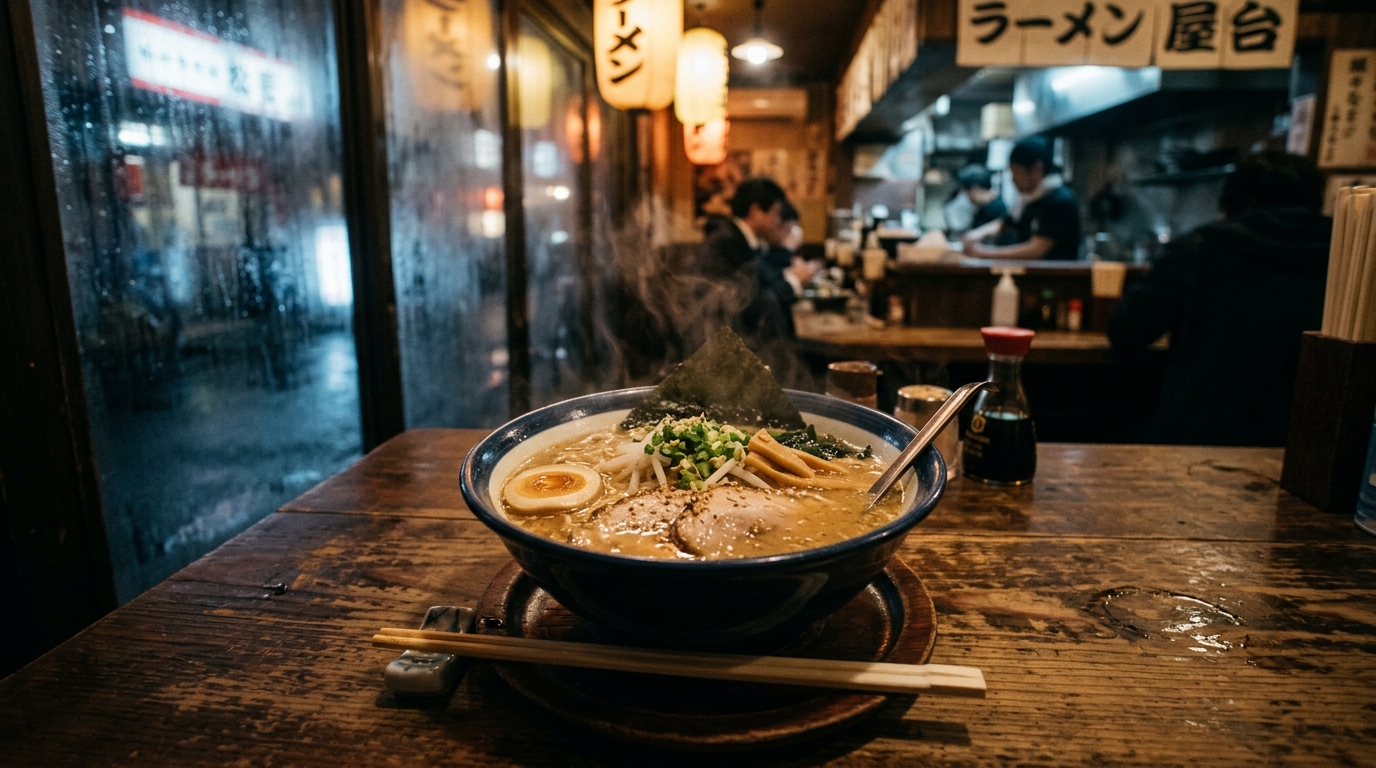
Stop staying in the city center. I saved 30% on my accommodation by staying in a smaller suburb near the city limits. Use the extra cash to rent a bicycle. Kyoto is much smaller than people realize, and on a bike, you can cut through backstreets that buses and taxis can’t access. Also, prioritize ‘evening’ visits to major shrines; many stay open later than people think, and the atmosphere at night is completely different.
What are the main benefits of focusing on regional prefectures?
By visiting places like Niigata, you directly funnel your travel budget into smaller family-owned businesses. Instead of waiting in a 40-minute line for a chain restaurant, you’ll likely find yourself in a tiny eatery where the owner is genuinely excited to serve you their local specialty. It turns a standard trip into a personal connection. You aren’t just a number in a tour group; you become a guest in their community.
Final Thoughts for Your 2026 Itinerary
Japan has shifted from a quick ‘check-the-box’ destination to a place that rewards those who linger. Whether you are aiming for a luxury wellness retreat in a remote onsen or a rugged hiking trail in the northern peaks, 2026 is the year to ignore the generic brochures. Start your planning early, stay flexible with your transit, and don’t be afraid when things go wrong—that’s usually when the best memories happen.