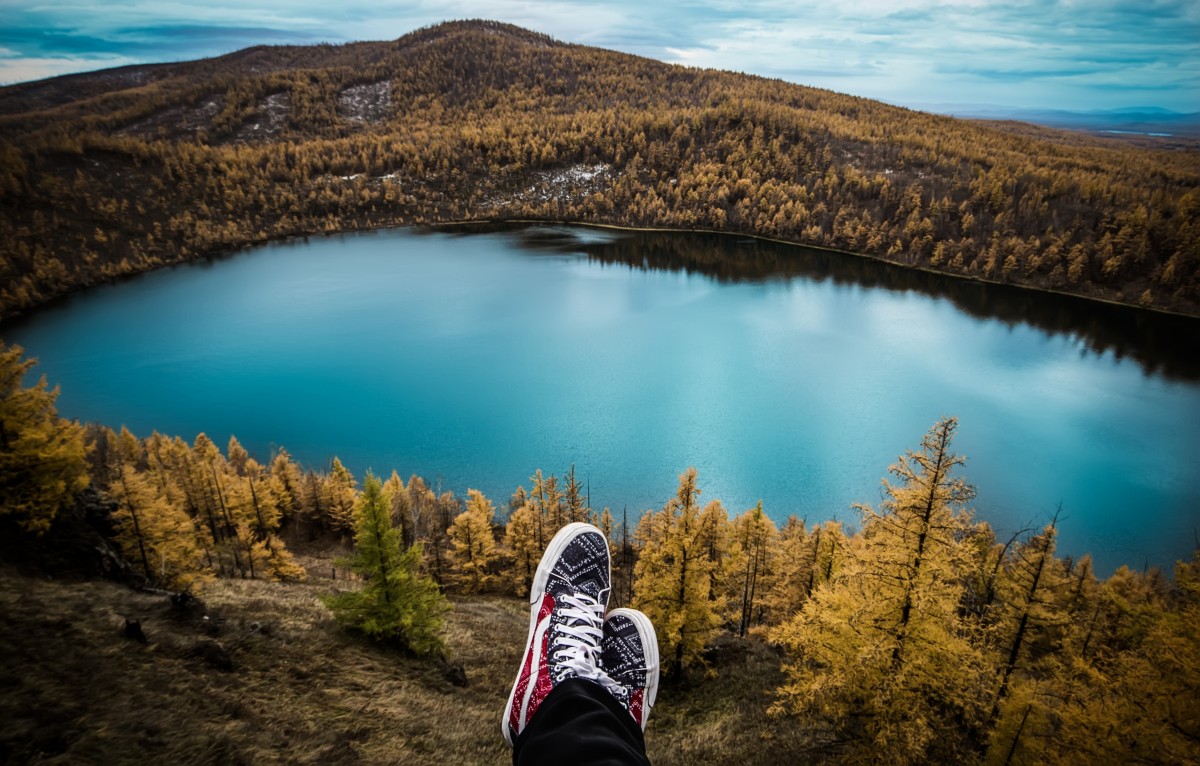
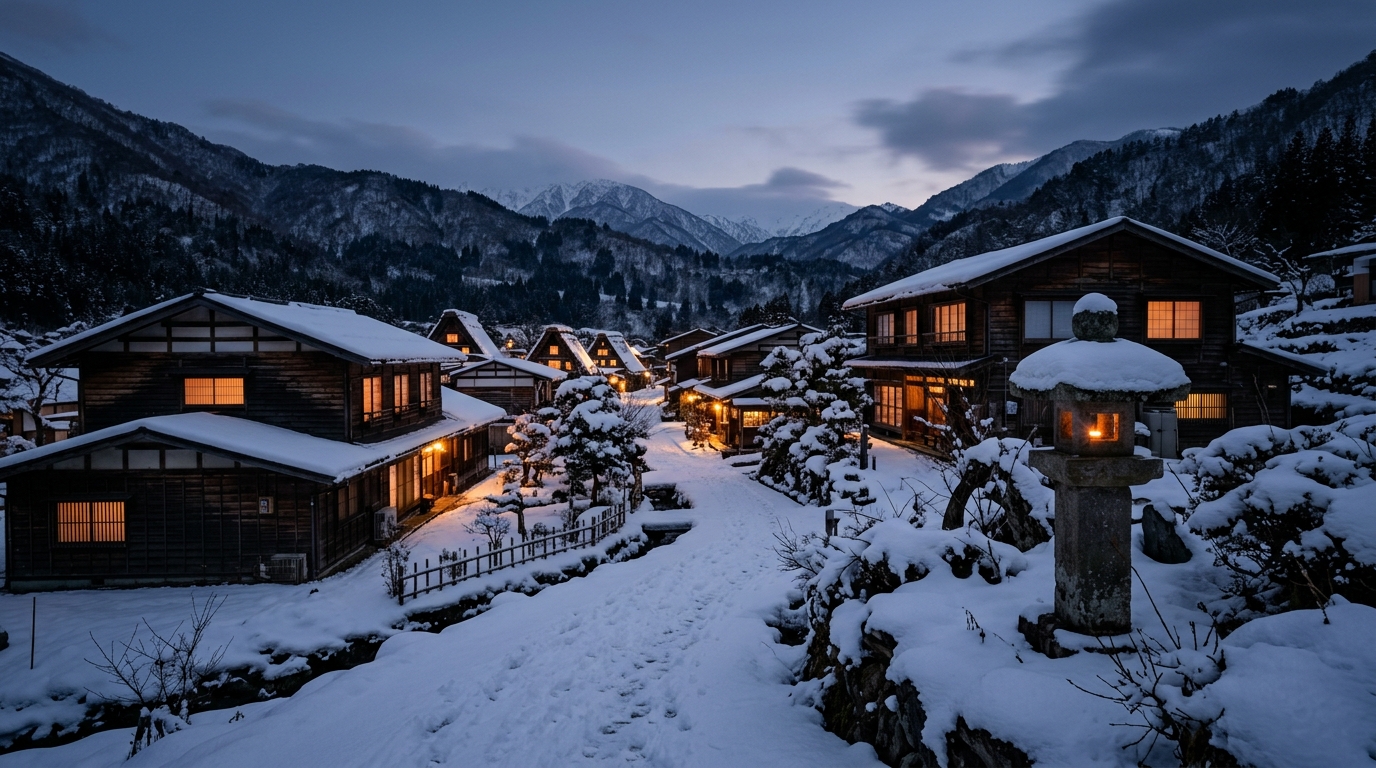

In 2025, over 1,058,300 australian travelers visited japan, marking a historic shift in how we explore this incredible nation. As someone who has spent the last decade tracking these travel patterns, I find this 15% year-on-year surge fascinating because it reflects a move away from the tired ‘Golden Route’ and toward deeper, regional discovery. It is no longer enough to just visit the Shibuya Crossing; now, we want the silence of a snow-dusted village in Gifu or the rugged coastline of Iwate.
The Surge: A Breakdown of Our Travels
The data from the Japan National Tourism Organization (JNTO) confirms what I have seen on the ground: we are traveling smarter and more often. The days of only visiting during the cherry blossom rush are gone, replaced by a year-round interest in the archipelago.
| Month | Traveler Count | Primary Driver |
|---|---|---|
| January | 140,185 | Skiing and winter sports |
| April | 115,235 | Sakura season and Easter break |
| Sept/Oct | Steady Growth | Autumn foliage and milder climate |
| December | 121,300 | Holiday season and early snow |
Why Your Itinerary Should Change
When I first traveled to Japan ten years ago, I treated the Shinkansen like a commuter train, jumping from city to city. Last year, I attempted to recreate that, but found myself frustrated by the crowds. By the third day, I ditched my ticket and headed to a small town in Niigata instead. I ended up staying in a 150-year-old wooden home where the owner spoke zero English, but he taught me how to make traditional pickles. It was far less polished than Tokyo, and honestly, a bit difficult to navigate, but it felt real.
The Push for Regional Japan
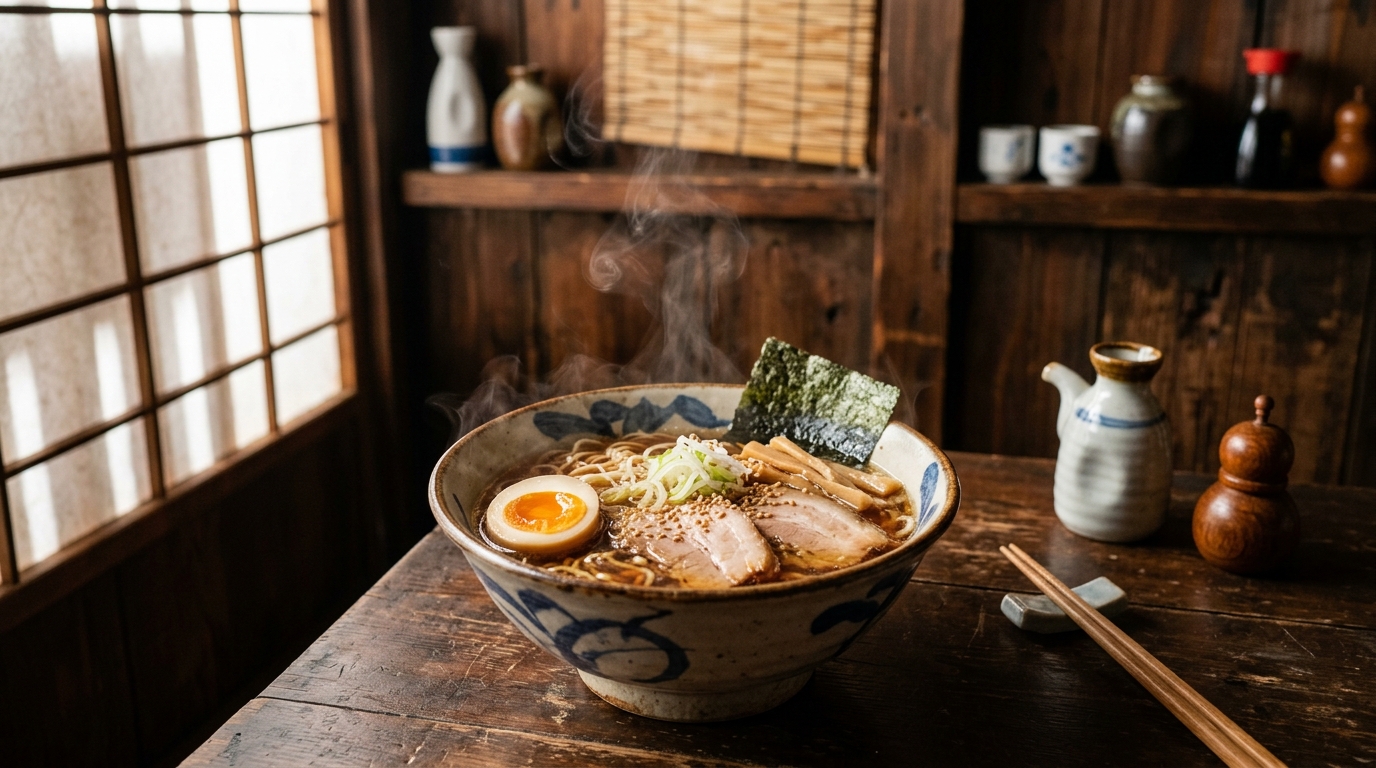
Naoki Kitazawa, the Executive Director for JNTO in Sydney, has been vocal about spreading tourism across the map. The goal for 2026 is simple: get travelers into the countryside. Coastal camping in Fukuoka or hiking the volcanic paths of rural prefectures provides an economic lifeline to communities that are currently struggling with aging populations.
However, I must be honest with you—regional travel requires a higher tolerance for inconvenience. On a trip to a rural outpost in Iwate last year, I failed to check the bus schedule, and I found myself stranded at a platform in freezing temperatures for two hours. It wasn’t the glamorous brochure side of Japan, but it forced me to strike up a conversation with a local farmer, which led to an invitation to a neighborhood festival. That moment taught me that convenience is the enemy of connection.
Authenticity Over Checklists
According to Andrew Coombs of the JNTO, we are witnessing a new wave of Australian tourists. We are not just checking off landmarks anymore; we are craving:
Cultural Immersion: Hands-on craft workshops in mountain villages.
Traditional Stays: Choosing family-run ryokan inns instead of sterile international hotel chains.
Spiritual Connection: Quiet moments of meditation in ancient temple complexes.
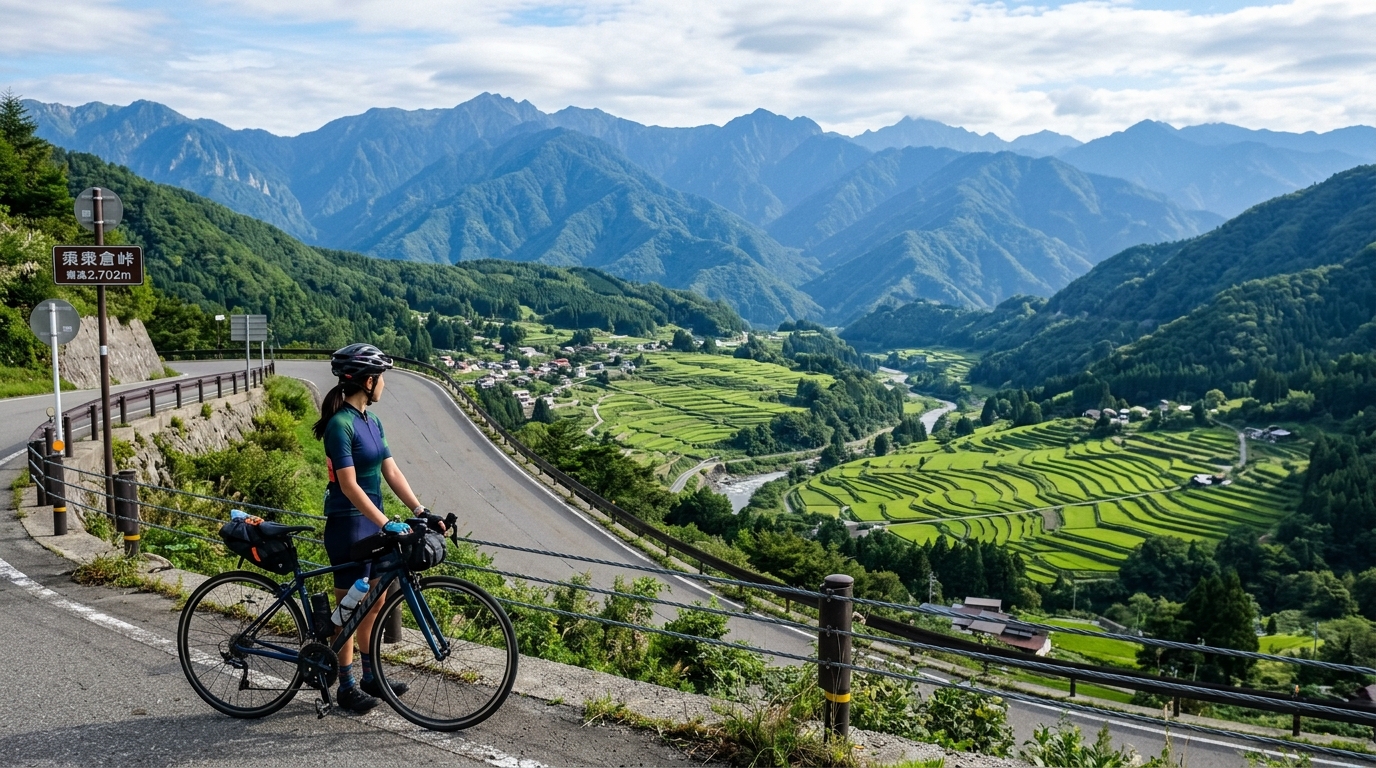
Active Adventure: Cycling through rural valleys where you won’t see another tourist for miles.
The Reality of Modern Overtourism
We need to address the elephant in the room: overcrowding. During my April visit to a shrine in Kyoto, the density was claustrophobic. If you do not start your day by 7:00 AM, you are essentially just moving in a slow-motion herd. This is exactly why the push to visit secondary prefectures like Gifu or Niigata is so vital. It’s not just about us having a better time; it’s about ensuring these communities can maintain their identity without being turned into theme parks.
Frequently Asked Questions
1. Is it actually better to visit during the shoulder season?
Yes, it is. While January and April are iconic, they come with inflated prices and massive crowds. Visiting in late May or October offers milder weather and a much more relaxed pace. You will find that local shops and restaurants are more accessible, and you won’t feel rushed at historical sites, especially in secondary prefectures.
2. How hard is it to navigate rural areas if I don’t speak Japanese?
It is a challenge, but it is manageable. I always recommend downloading an offline translation app and carrying a physical map or a printed list of addresses. Don’t expect the same level of English support you find in Tokyo. However, a polite ‘sumimasen’ (excuse me) and a smile go a long way. Locals are usually eager to help, even when there is a language barrier.
3. Why are Australian visitor numbers to Japan exploding right now?
Beyond the simple allure of the country, our travel habits have changed. We are seeking longer, more immersive experiences rather than quick, expensive shopping trips. Stronger flight connectivity between Australian hubs and secondary Japanese airports has made it easier to bypass the congested urban centers, allowing for a more personalized and adventurous style of travel.
Final Thoughts for Your Next Trip
As we move through 2026, I encourage you to be a traveler rather than a tourist. Step off the main train lines for at least a few days of your itinerary. Even a short bus ride into the nearby countryside can reveal a version of Japan that feels personal and untouched. Take the time to research a single, lesser-known prefecture, book a stay at a local inn, and see where the path leads you. Safe travels as you discover the quieter corners of this incredible destination.