
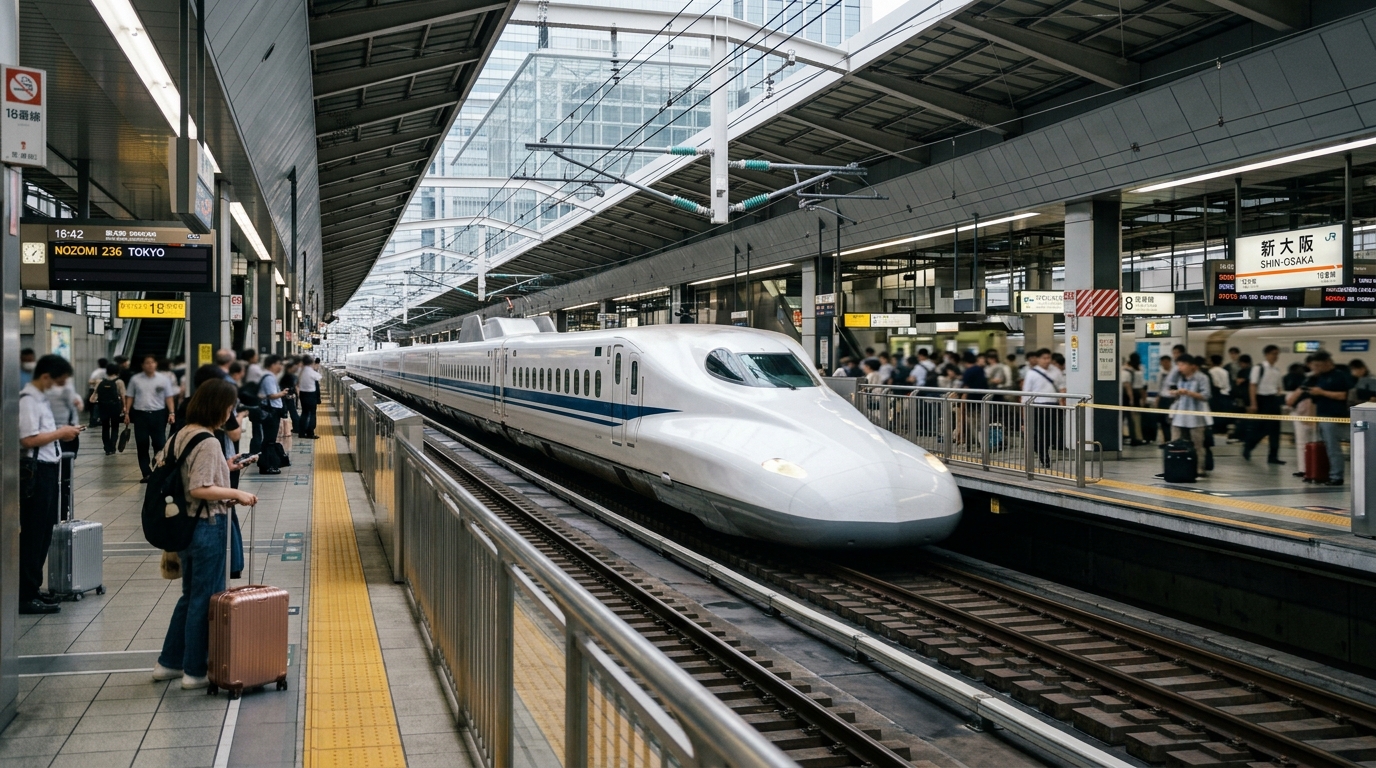

Planning your trip to Japan in 2026 requires a sharp, data-driven approach to transit that can save you hundreds of dollars by moving away from outdated assumptions. Many first-time visitors still arrive expecting the nationwide Japan Rail (JR) Pass to be the ultimate golden ticket, but relying on this outdated assumption is a quick way to drain your travel budget unnecessarily. Since the October 2023 price hike, the national pass has shifted into a luxury product rather than a budget necessity, often costing upwards of 50,000 yen for a seven-day window. In my own experience, I found that I spent more money trying to ‘force’ the value out of the pass than I would have simply buying individual tickets.
Quick Takeaways for 2026 Travelers
Calculate before you commit: Use online fare calculators for every major leg.
Regional is superior: Regional passes often cover 90% of your needs for 40% of the cost.
City passes pay off: Daily subway passes often cover their cost within three trips.
Don’t over-plan: Only buy a national pass if you have three long-haul Shinkansen legs in one week.
The Shifting Landscape of Japanese Transit
Years ago, I bought the nationwide pass without hesitation. It felt liberating to jump on any train, anytime. Today, however, that convenience carries a premium that rarely pays for itself unless you are sprinting across the country on high-speed Shinkansen lines. When I mapped out a typical Tokyo-to-Osaka return trip, I realized that two individual point-to-point tickets cost less than a week-long national pass. If you are staying within a specific region—like the rural Tohoku area or the classic Kansai loop—you should abandon the national pass mindset entirely.
Why the Nationwide JR Pass Often Fails
The 7-day, 14-day, and 21-day JR Passes have seen price increases that make them restrictive for the casual visitor. For a 7-day pass at approximately 50,000 yen, you must complete at least three major long-distance trips across Japan in a very tight timeframe to break even. If your trip centers on a single city like Kyoto or a specific area like the mountains of Nagano, you will almost certainly lose money on this investment. Always check the official JR fare portal before putting your credit card details in.
Regional Passes: The Smarter Financial Choice
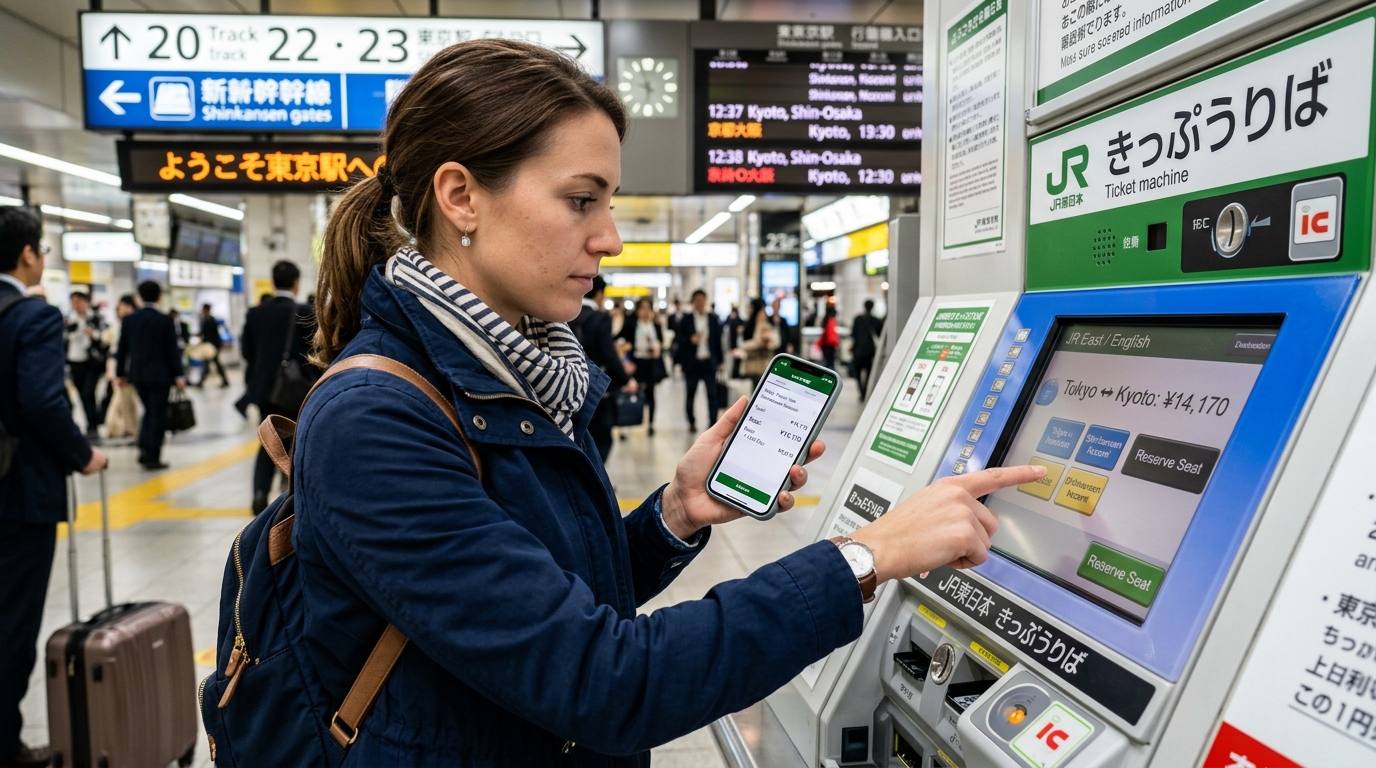
Regional rail passes provide a much higher return on investment for the modern tourist. These tickets allow for unlimited travel within a defined geographic footprint at a fraction of the cost of a national pass. During my last journey, I utilized the JR West Pass to navigate the Kansai region. It allowed me to zip between Kyoto, Osaka, and Kobe without worrying about individual ticket prices. Because I wasn’t traveling to Hokkaido or Kyushu, it was the perfect financial decision.
| Pass Type | Best For | Key Destinations |
|---|---|---|
| JR Hokkaido | Northern Japan | Sapporo, Otaru, Hakodate |
| JR East | Tohoku / Skiing | Sendai, Nagano, Niigata |
| JR West | Kansai Region | Kyoto, Osaka, Hiroshima |
By focusing on a single region, you avoid the ‘transit treadmill’ where you spend your vacation days sitting on a train just to justify the pass cost. I remember spending four hours on a regional line once just because I felt ‘obligated’ to use the pass—that was four hours of sunlight I could have spent at a temple.
Maximizing Urban Exploration with City Passes
Once you reach a major metropolitan area, national rail passes lose their utility for daily city commuting. In cities like Tokyo or Osaka, you are better off with city-specific subway or transit passes. These tickets provide unlimited access to municipal lines and, in some cases, bundled entry to major attractions.
Top Urban Transit Recommendations
Tokyo Subway Ticket: My go-to for the capital. It gives you 24, 48, or 72 hours of access to Tokyo Metro and Toei lines. It is significantly cheaper than buying single tickets for every transfer.
Kyoto City Bus & Subway Pass: Navigating Kyoto can be incredibly frustrating during peak season. This pass simplifies the process, allowing you to reach temples and historical sites without fumbling for small change on every bus.
- Osaka Amazing Pass: I highly recommend this for first-time visitors. It combines transit with admission to several major sites like Osaka Castle. It feels great to breeze past ticket lines knowing your pass covered the entry cost.
- www.travelandtourworld.com
- upgradedpoints.com
- www.travelandtourworld.com
- getgoldenvisa.com
- www.mirror.co.uk

Honest Advice for Your 2026 Itinerary
I must share a downside: these passes require rigorous planning. If you are the type of traveler who likes to wake up and decide which city to visit based on the weather, these regional and city passes might feel restrictive. You are locked into a specific zone. Furthermore, the volume of options is overwhelming. I once bought a pass that didn’t cover the specific private rail line I needed to reach my hotel, leading to an extra 1,500 yen expense on a local train. It happens, and it is part of the learning curve of navigating such a dense, multi-layered network.
My primary recommendation is to use digital tools to calculate your point-to-point costs. If your total for the week is less than the price of a pass, just buy the tickets. Do not pay for a pass just for the sake of having one. True efficiency in Japan comes from tailoring your transit to your specific itinerary rather than adhering to a one-size-fits-all product.
Frequently Asked Questions
Is the nationwide JR Pass ever worth the cost?
It is only worth the cost if your itinerary involves three or more long-haul Shinkansen trips within a seven-day period. For example, if you are traveling from Tokyo to Hiroshima and back to Tokyo within that week, the pass might pay off. If you are staying in one region, it is almost certainly a financial loss. Use the official JR fare calculator to verify before buying.
How do I know which regional pass is right for me?
Start by listing the specific cities you plan to visit. If your travel stays within one zone—such as the Kansai region—research the JR West options. Use an online fare calculator to check the price of individual tickets for your planned route. Compare that total against the cost of the regional pass to see if you achieve a savings threshold of at least 15-20%.
Should I buy city transit passes in advance?
For many city passes, such as the Osaka Amazing Pass or the Tokyo Subway Ticket, purchasing in advance is often better or required. These digital passes can be stored directly on your phone. Having your transit sorted before you land in the city allows you to bypass ticket machines and get straight to exploring, which saves immense time during the busy spring and autumn seasons.
Conclusion and Next Steps
Navigating Japan in 2026 is an exercise in strategic planning. By moving away from the assumption that the nationwide JR Pass is the only option, you open up opportunities to save money and customize your experience. Focus your itinerary on regional clusters, use city-specific passes for metropolitan areas, and always run the numbers before you purchase. Japan’s transit system is incredibly efficient, but it rewards the traveler who takes the time to research their route. Start mapping out your journey today and enjoy the seamless travel that Japan has to offer.