

japan Rail Fare Shift: Is Your IC Card Still Useful in 2025?
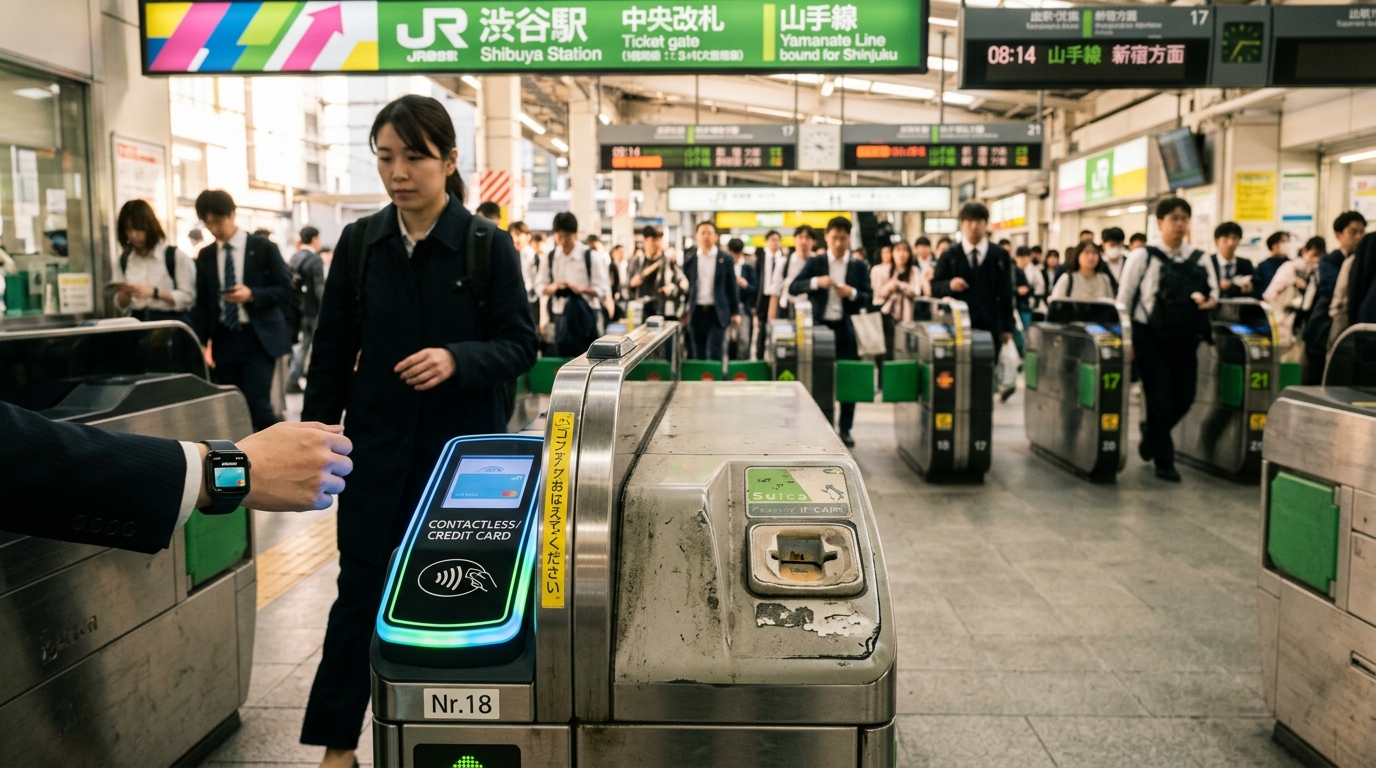
Navigating Japan’s rail network is undergoing a fundamental shift in 2025 that makes the ubiquitous IC card less of a universal key than it used to be. For years, I relied on my trusty Suica and Pasmo cards for everything from Tokyo subways to rural buses, but my recent trip proved that the old ‘tap-and-go’ magic is no longer guaranteed everywhere. As rail operators transition toward contactless credit card payments to cut maintenance costs, travelers face a fragmented digital landscape that demands extra planning.
Quick Summary: What You Need to Know
Cities are stable: Major urban areas like Tokyo and Osaka still prioritize Suica/Pasmo/ICOCA.
Rural areas are changing: Many regional lines are ditching proprietary hardware for universal contactless credit terminals.
Prepare for friction: You may encounter stations where your digital wallet works, but your physical IC card is suddenly rejected.
Bring a backup: A contactless credit card and a small amount of cash are now essential travel companions.
Why Japan is Moving Away from Traditional IC Cards
Maintaining the nationwide IC card network has become a massive financial burden for regional transport operators. Each fare gate and ticket kiosk requires complex, specialized servers that are expensive to maintain. For a small bus line in a remote prefecture, replacing these aging readers with standardized contactless credit card terminals is far cheaper than upgrading the proprietary IC system.
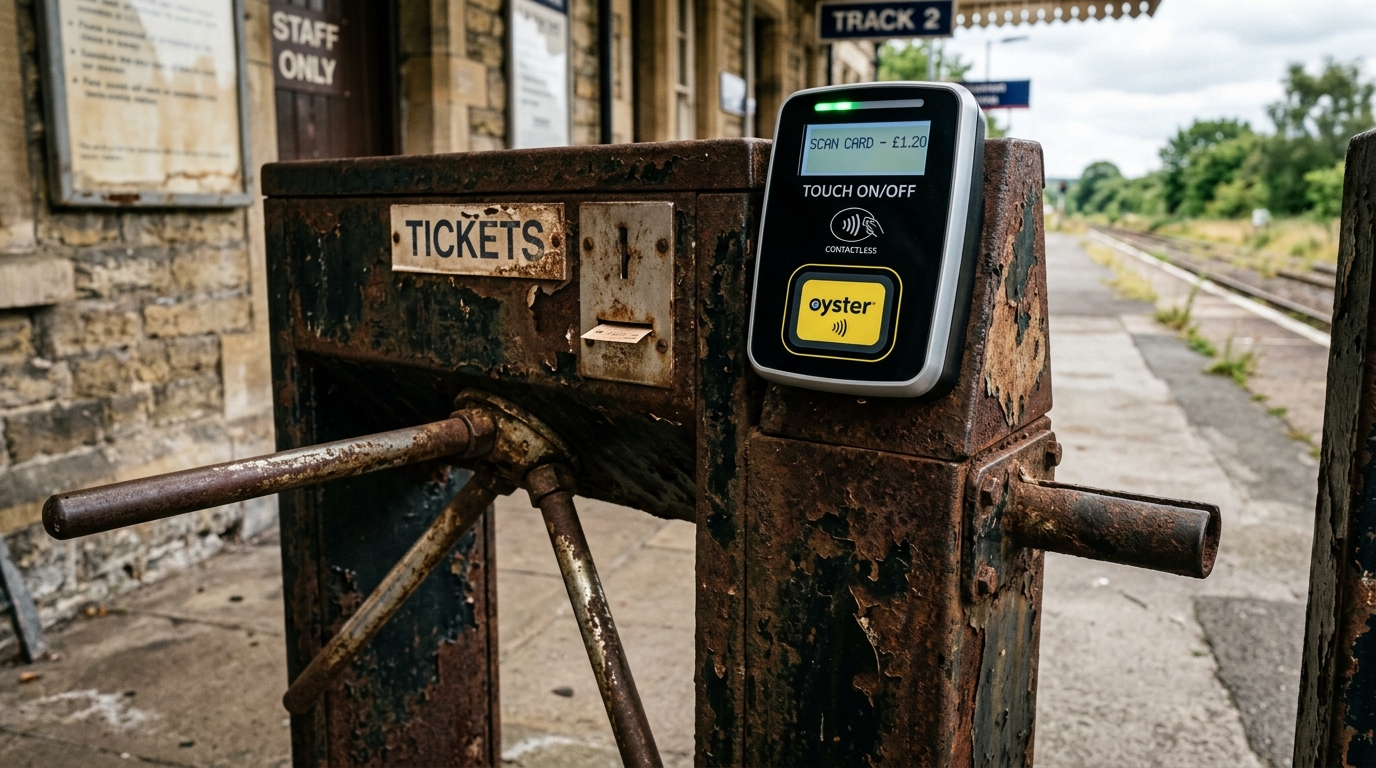
I remember struggling to pay for a bus in rural Kyushu last year; the driver looked at my IC card with a polite, apologetic shake of the head. It turns out, that specific operator had decommissioned their IC readers just weeks prior to save on annual service fees. This pivot is also driven by the record-breaking influx of over 33 million annual visitors. By accepting international credit cards, Japan makes it easier for travelers to board without standing in long queues at ticket machines or grappling with unfamiliar local currency at every stop.
The Real-World Impact on Your Itinerary
If you are planning a trip to Japan this year, the current transition phase creates genuine headaches. The lack of a unified national rollout means one station might accept your phone’s digital wallet, while the very next bus line demands a traditional numbered paper ticket.
Comparing Your Payment Options
| Payment Method | Primary Use Case | Regional Availability | Reliability |
|---|---|---|---|
| Physical IC Cards | Urban/Metro Transit | Highly concentrated in Tokyo/Osaka | High (in cities) |
| Contactless Credit | Tourism-heavy rural routes | Rapidly growing nationwide | Moderate |
| Paper Tickets | Remote, low-traffic trains | Essential in mountain/rural areas | 100% |
My worst experience was trying to navigate a regional transit connection where I had no idea whether I needed to tap in or grab a paper slip. Because the driver needed an accurate fare calculation, boarding without the ticket led to a ten-minute delay while I fumbled with coins at the front of the bus. It was embarrassing, and it certainly didn’t help that a line of local commuters was waiting behind me.
Operational Shifts and the Future of Rail
As of March 2026, many operators, including Keisei and Tobu Railway, are aggressively consolidating their staff presence. You will notice fewer staffed ticket windows and more reliance on digital-first systems. While this saves the companies money on personnel, it leaves travelers with nowhere to turn when a machine rejects their card.
Interestingly, some companies are offsetting these costs by leaning into ‘fandom’ marketing. I recently saw limited-edition commemorative tickets for a small rural line that were selling for double their face value to collectors. This shift toward high-margin merchandise is helping some operators stay afloat, but it doesn’t solve the immediate problem of fare-gate compatibility for the average visitor.
Frequently Asked Questions
Will my Suica or Pasmo still work in major cities like Tokyo and Osaka?
Yes, the metropolitan infrastructure is far too vast to abandon overnight. Tokyo, Osaka, and Fukuoka continue to rely on the established IC ecosystem because the sheer volume of daily commuters makes the high-cost infrastructure worth it for these companies. You can safely use your cards for all major subway and train lines in these dense urban areas.
Should I stop using my IC card entirely?
Absolutely not. The IC card remains the most efficient way to travel in roughly 80% of Japan. It is still faster than tapping a credit card, which often requires a few seconds of ‘handshaking’ with the terminal. Keep your IC card for major city transit, but carry a backup contactless credit card (like Visa or Mastercard) and 3,000 yen in cash as a fail-safe for regional buses.
Why is the transition so confusing for tourists?
The core issue is that Japan’s transit network is owned by dozens of competing private companies. Because there is no centralized, mandatory national rule, each company chooses its own payment technology. This leads to a messy patchwork where one station allows Visa taps, but the next station requires a paper ticket. Always check the specific transit authority’s website before heading into rural prefectures.
Final Thoughts and Practical Advice
Japan is in the middle of a massive digital transformation, and like any major infrastructure shift, it is bound to have growing pains. My best advice for your next journey is to stay adaptable and don’t assume your digital wallet is a silver bullet.
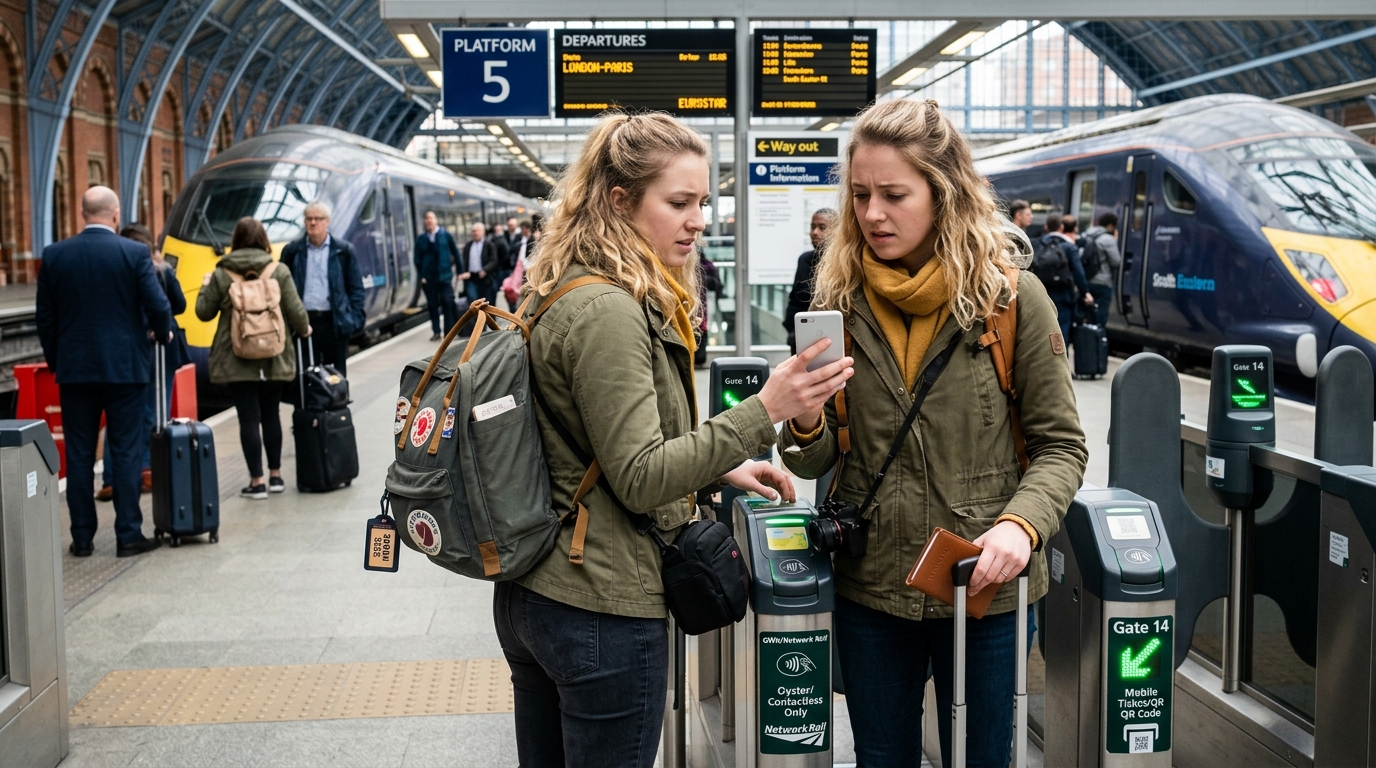
First, check local operator websites before heading into rural areas. Second, ensure you have a physical credit card with a chip for contactless payments. Finally, keep a small reserve of cash as a fail-safe for older bus systems that haven’t been upgraded. The country’s commitment to safety remains unmatched, but you must be prepared for the ‘transitional mess’ while they upgrade their systems.