
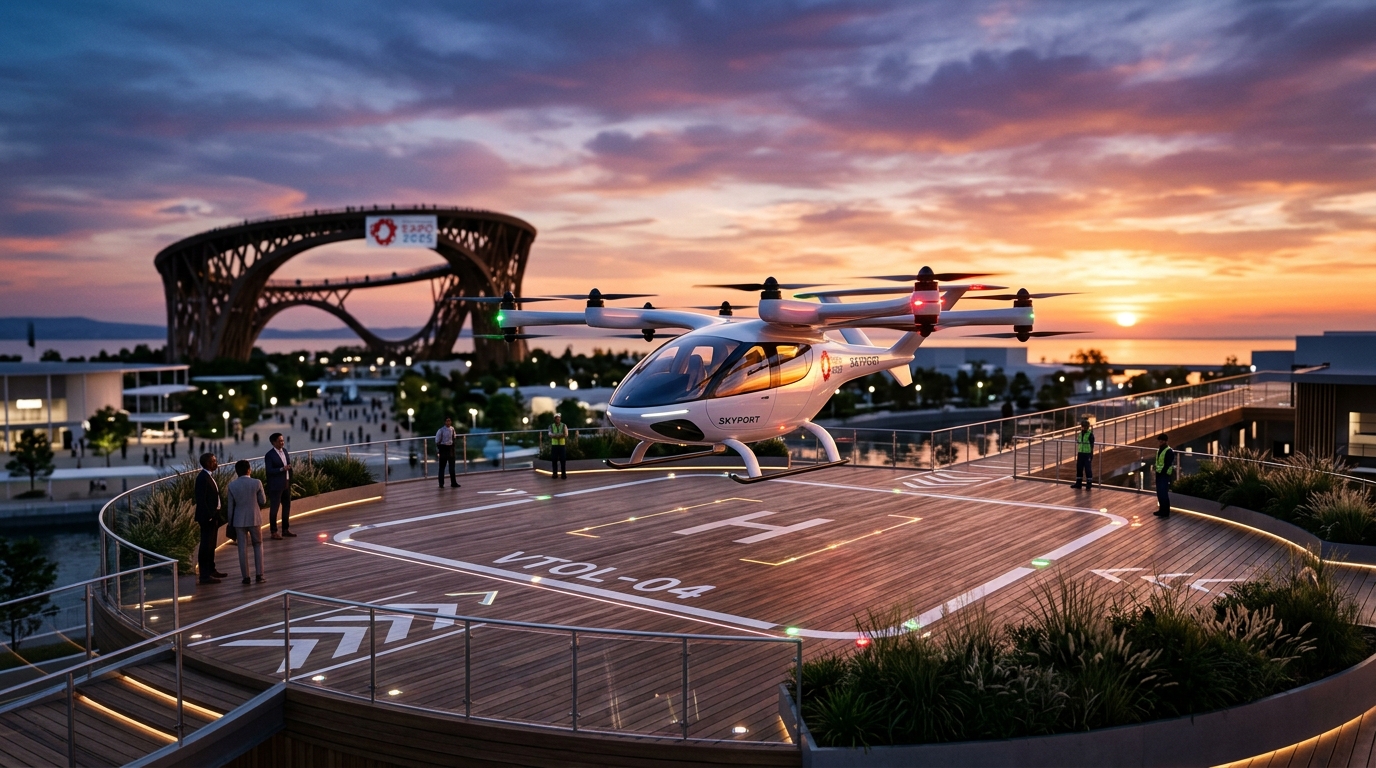

Navigating the Legacy of Expo 2025 Osaka
Expo 2025 Osaka stands as a landmark moment in urban history, serving as a massive testbed for the future of global transit and human connection. I spent weeks tracking the planning phases, and seeing 28 million visitors navigate the Yumeshima site was a surreal experience. While the event faced early construction hurdles and supply chain strain, it eventually stabilized into a functioning laboratory for sustainable innovation.
The ICOCA Card Phenomenon
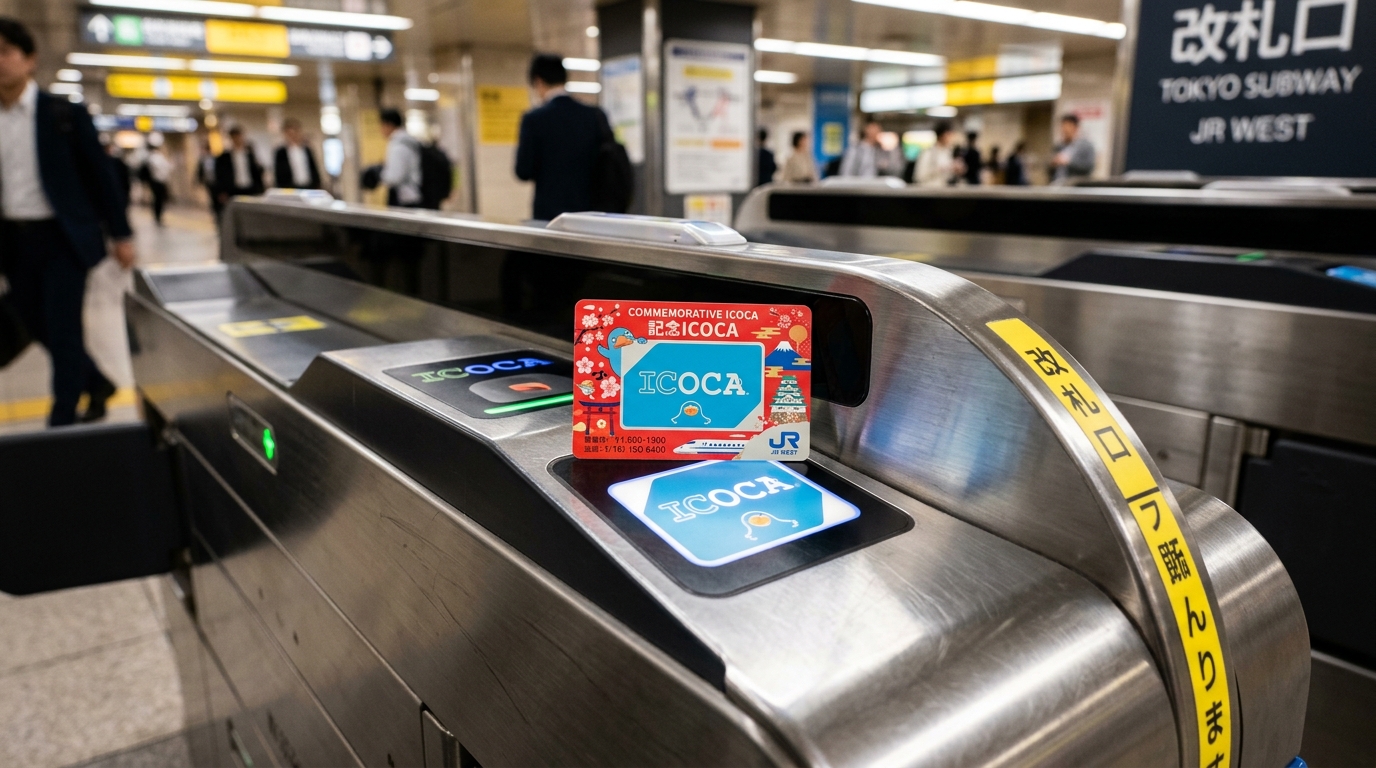
Public interest in the event was best captured by the scramble for the commemorative ICOCA card. I initially thought the organizers were overestimating demand when they printed 3,000 sets. When those sold out in a heartbeat and they scaled up to 33,000, it proved just how much people craved a tangible piece of this future. I managed to grab one before the online portal crashed in August, and it remains a heavy, colorful reminder of a time when the world gathered to rethink how we move.
Mobility Innovations That Will Define 2030
The central theme of the expo was the “Instinct for Mobility,” moving beyond static displays toward functional, hydrogen-based infrastructure. I spent hours at the Kawasaki exhibition watching the CORLEO—a four-legged personal vehicle designed for rugged terrain. It is hard to imagine this creature-like machine navigating city sidewalks, but the roadmap for commercial readiness by 2035 feels surprisingly grounded.
Key Technologies Shaping Our Future
CORLEO: A hydrogen-powered, four-legged mobility unit built to handle terrain that traditional wheels cannot. Expect commercial pilot programs by 2035.
ALICE SYSTEM: This infrastructure concept automates pod docking, effectively removing the need for manual transfers. It is the missing link in seamless multi-modal transit.
- eVTOL Aerial Taxis: Seeing the Joby Aviation aircraft in ANA livery perform vertical take-off demonstrations was a highlight. These machines are closer to reality than skeptics claimed, though cost-per-mile remains the primary barrier to mass adoption.
- www.breakingtravelnews.com
- news.panasonic.com
- ftnnews.com
- futuretransport-news.com
- news.panasonic.com
Practical Transit Outlook
| Operator | Planned Change | Expected Timing |
|---|---|---|
| JR Group | All Seats Reserved (Hida/Shinano) | 2026 Holidays |
| ZIPAIR | Manila-Narita Route Suspension | March 2026 |
| Heisei Chikuho | Bus Service Replacement | Future Rollout |
The Realities of Modern Rail Travel
Traveling through Japan’s rail network taught me that efficiency often comes with a trade-off. While JR’s move toward all-reserved seating on lines like the Hida and Shinano ensures a guaranteed spot during peak holiday surges, it kills the spontaneity of regional travel. I once relied on the freedom of the non-reserved car to change my plans mid-trip; losing that flexibility is a frustration for any regular traveler. However, the installation of escalator congestion emergency stops at major hubs like Tokyo Station is a necessary, albeit invisible, upgrade that saves lives during peak rush hours.
Engaging the Next Generation: Panasonic’s Role
Panasonic’s “The Land of NOMO” pavilion was a masterclass in circular economics. I watched them track every piece of material used in construction, eventually hitting a 99% recycling rate. They upcycled glass from over 9,000 washing machines into paving blocks that are now being relocated to research facilities. Seeing children interact with these systems through Minecraft-integrated education modules reminded me that infrastructure is as much about human behavior as it is about steel and concrete.
SoraCruise: The Evolution of Air Travel
Following the Expo, the legacy continues with the SoraCruise immersive theater opening at the OSAKAKO Vertiport in March 2026. This setup uses physical vibrations and spatial audio to simulate the feeling of flying in an electric air taxi. It is a strategic move to normalize the concept of eVTOLs before the expected 2027 commercial launch in Osaka Bay.
Frequently Asked Questions
How will Expo 2025 influence future transit in Japan?
The Expo generated massive data sets regarding movement patterns and the integration of hydrogen transit. The government is currently applying these insights to refine infrastructure plans for 2030. You will likely see this manifested as dedicated air taxi corridors in Tokyo and a fully digitized, reservation-only rail system designed to handle high-density tourist traffic more predictably than pre-2025 models.
Are air taxis really coming to daily commutes?
Yes, but don’t expect them to be cheap yet. While the Joby and ANA demonstration flights were successful, the regulatory framework—supported by the Japan Civil Aviation Bureau—is still catching up. Commercial operations are slated for 2027. Currently, this remains a premium service; until battery density improves and noise regulation matures, it will likely be limited to high-end shuttle routes rather than mass transit.
Why is JR moving toward all-reserved seating for major lines?
This is a reaction to the extreme post-pandemic influx of international tourism. During peak holiday seasons, non-reserved cars often become safety hazards due to overcrowding. By moving to a reservation-only model, JR gains predictable revenue and, more importantly, manages passenger flow to prevent bottlenecks at station turnstiles. The downside is that spontaneous rail journeys across the countryside have become significantly more difficult for independent travelers.
Conclusion: A Future in Motion
Expo 2025 was an imperfect but necessary catalyst for change. Whether you look at the successful circularity of the Panasonic pavilion or the regulatory strides made by the Japan Civil Aviation Bureau, the focus has clearly shifted from experimentation to implementation. I walked away from the Yumeshima site feeling that while we aren’t quite living in a sci-fi future today, the blueprint is finalized. If you have the chance to visit Kawasaki World to see the prototypes in person, do not hesitate—it is the best way to understand the scale of the transition we are living through.