

Navigating the Legacy of Expo 2025 Osaka
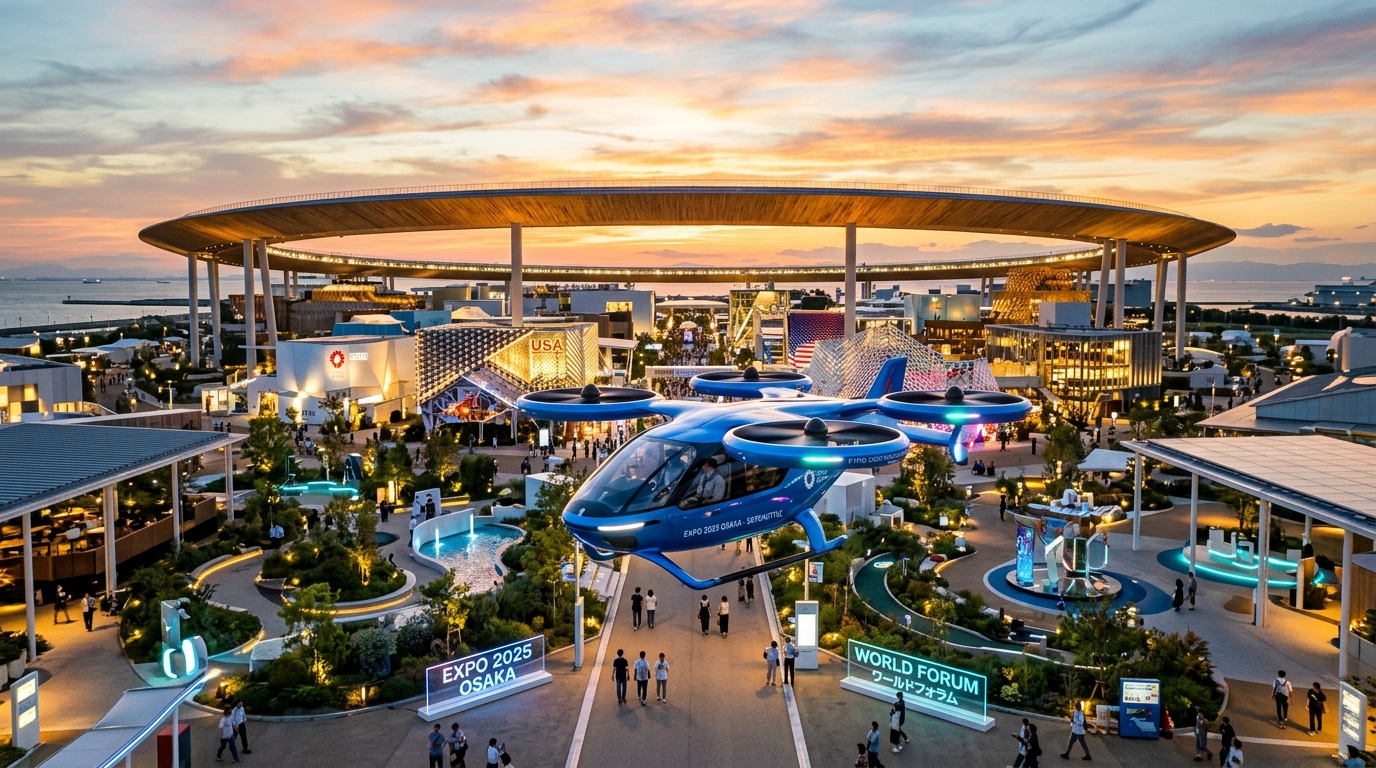
Expo 2025 Osaka, officially held on the artificial island of Yumeshima, served as a global stage for the future of mobility and sustainable living. When I first visited the site, the massive Grand Ring, designed by Sou Fujimoto, caught my eye immediately; it perfectly framed the blend of nature and human-made ingenuity that defined the six-month exhibition. With over 25.5 million visitors, the event proved that even with initial construction hurdles, there is a massive hunger for witnessing the next phase of human innovation. I remember waiting for hours in the sweltering heat just to catch a glimpse of the hydrogen-powered prototypes, but looking back, seeing how 161 countries tackled themes like carbon neutrality made the exhaustion worth it.
The Rush for Collectibles
One of the most surprising moments of the event was the frenzy surrounding the commemorative ICOCA cards. I personally tried to snag one back in August, but my refresh rate couldn’t keep up with the demand. Organizers eventually scaled production from 3,000 to 33,000 units, yet they still vanished instantly. If you missed out, you are not alone—the secondary market is currently the only place to find them, though be prepared to pay a heavy premium. It was a classic example of how even minor pieces of infrastructure hardware can become iconic cultural symbols when connected to a massive global milestone.
Future Mobility: Testing the Next Generation
Beyond the hype of merchandise, the Expo functioned as a legitimate “living laboratory” for urban transport. I was particularly interested in how Kawasaki Heavy Industries showcased their Instinct for Mobility vision. They weren’t just showing off sketches; they displayed tangible, working systems designed to address the frictions of travel by 2050.
Notable Tech Showstoppers
CORLEO: A hydrogen-powered, four-legged mobility vehicle. Seeing it in person was surreal; it looks more like a sci-fi prop than a vehicle, but the company’s goal to commercialize this by 2035 is an aggressive, yet fascinating, timeline.
ALICE SYSTEM: A modular, autonomous cabin framework. The premise here is to eliminate the need for traditional transfers by allowing cabins to dock directly into different transit platforms. I spent quite a while thinking about how this would change a daily commute, though I remain skeptical about the costs of retrofitting the aging rail infrastructure in cities like Osaka to accommodate such specialized docking ports.
Taking Flight: eVTOL Reality Checks
One of the most buzzed-about developments was the demonstration of electric vertical take-off and landing (eVTOL) air taxis by Joby Aviation and ANA Holdings. Watching a full-scale aircraft lift off near the Grand Ring was a highlight of my trip. It wasn’t just a gimmick; this 13-day program was essentially a data-gathering mission for the Japan Civil Aviation Bureau. The aircraft boasts a capacity for four passengers and a pilot, reaching speeds near 200 mph.
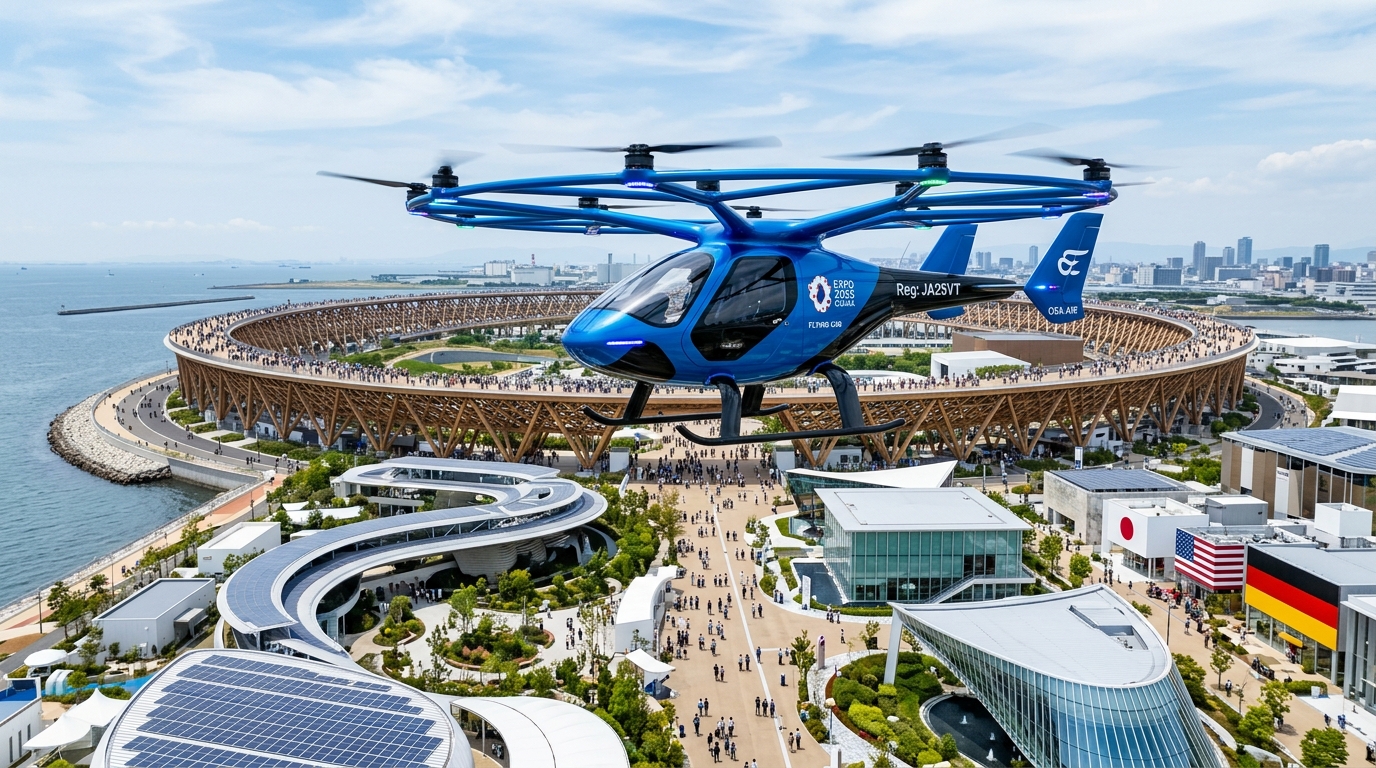
While the tech is clearly ready, the real challenge is public trust and airspace integration. It is one thing to fly at a controlled site like the Expo, but integrating these into the chaotic, high-density skies of downtown Tokyo is a completely different beast. During the demonstration, the aircraft seemed surprisingly quiet, which is vital for urban acceptance, but the logistical nightmare of managing flight paths for thousands of daily passengers remains a significant hurdle.
Cultural Diplomacy and Global Solutions
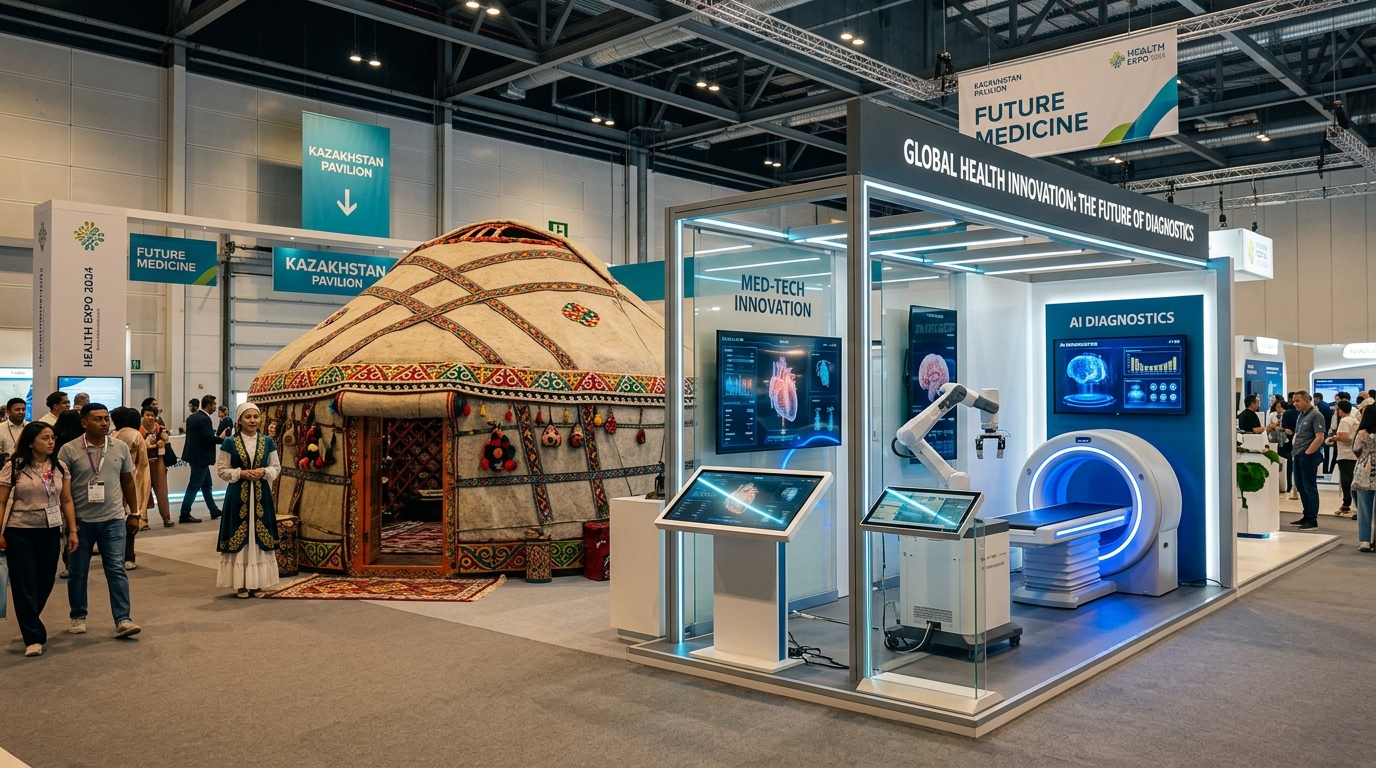
It is easy to get caught up in the robotics and skip the human side of the Expo, but the international pavilions provided the most grounded experiences. The Kazakhstan pavilion was a standout, welcoming nearly a million visitors. I found their approach to combining nomadic heritage with high-tech medical breakthroughs—like their ALEM organ transplantation system—incredibly smart.
Similarly, the Türkiye pavilion attracted 1.2 million visitors by focusing on the “Golden Age of Civilizations.” They didn’t just present products; they told a story through symbolic architecture that bridged history with sustainability. This is where the Expo succeeded—it forced countries to move beyond simple corporate branding and instead focus on shared human challenges like climate resilience and food security.
Sustainability: The NEDO Showcase
Japan’s New Energy and Industrial Technology Development Organization (NEDO) presented a compelling vision for a post-carbon society. Their focus on Carbon Recycle technologies was an eye-opener. Instead of treating CO2 as waste, they are capturing it to create concrete and plastic alternatives. I saw the carbon-fixing concrete first-hand, which technically absorbs CO2 during production. It is exactly the kind of unglamorous but necessary innovation that makes a real difference in long-term sustainability goals.
Frequently Asked Questions
Can I still buy the Expo 2025 ICOCA card?
Unfortunately, no. As of the final weeks of the event, the entire supply of 33,000 sets was exhausted. Official updates from JR-West confirmed that no additional production runs were scheduled. If you see them listed on resale sites, expect a high price tag due to the scarcity of these official souvenirs.
Why were air taxis tested at the Expo instead of city centers?
The Expo served as a controlled “sandbox” for regulators. Flying in high-density areas like Tokyo requires immense data regarding safety, noise, and collision avoidance. By testing at the Expo site, companies like Joby Aviation could gather flight data with a controlled number of visitors before attempting to integrate eVTOL flights into the complex national airspace.
What happens to the prototypes now that the event is over?
Most high-value prototypes, such as the Kawasaki ALICE SYSTEM and CORLEO units, are destined for preservation. Many will be transferred to corporate museums like Kawasaki World to serve as educational tools for engineers and city planners, ensuring that the research conducted during the six-month exhibition continues to influence future transit development.
Final Thoughts on the Future
If you take one thing away from the Expo, it should be that the transition to a sustainable, automated future is messy. I dealt with unexpected train delays and limited access to specific attractions, proving that even with world-class planning, large-scale events are never perfect. However, the data gathered in Osaka—from the 15% increase in Osaka Metro ridership to the successful integration of autonomous buses—will serve as a blueprint for global cities for years to come. Whether or not you made it to Yumeshima, the innovations showcased there are already being integrated into the global conversation on climate resilience and future mobility.