
Avoiding My Top 5 Mistakes When Traveling to japan
Avoiding my top 5 mistakes when traveling to Japan is the difference between a trip defined by logistical fatigue and one defined by seamless discovery. During my recent three-week journey across this archipelago, I quickly realized that Japan rewards those who balance meticulous planning with the grace to handle the unexpected. While the country is legendary for its efficiency, it is easy for a first-timer to fall into traps that drain both your wallet and your energy.
1. The Mount Fuji Day-Trip Trap
One of my most significant regrets was locking in a rigid, non-refundable bus tour to view Mount Fuji months before I even arrived. I naively assumed that clear skies were a given, but the mountain is notoriously shy. On the day of my excursion, I spent five hours sitting on a highway coach only to stare at a wall of grey, impenetrable clouds from the Kawaguchiko base.
Instead of a day trip, stay in the region for two nights. Use a tool like Windy or the official Japan Meteorological Agency website to monitor cloud cover. If the forecast looks promising, you can easily book a local train or bus that morning. By keeping your schedule flexible, you ensure you are actually there when the peak reveals itself.
2. Underestimating Tokyo’s True Scale
I made the error of cutting my time in Tokyo short to prioritize other regions, which was a massive oversight. Tokyo is not a single city; it is a sprawling, decentralized network of distinct neighborhoods. While the “golden route” of Tokyo, Kyoto, and Osaka is popular, trying to sprint through the capital in three days leaves you with only a surface-level experience of major transit hubs.
Districts like Shimokitazawa offer a completely different atmosphere than the neon chaos of Shibuya. If you want to find the tiny, six-seat bars of Golden Gai or explore the vintage shops in the suburbs, you need at least seven to ten days. Don’t rush; treat each neighborhood as a separate destination to avoid burnout.
3. The Digital and Transit Learning Curve
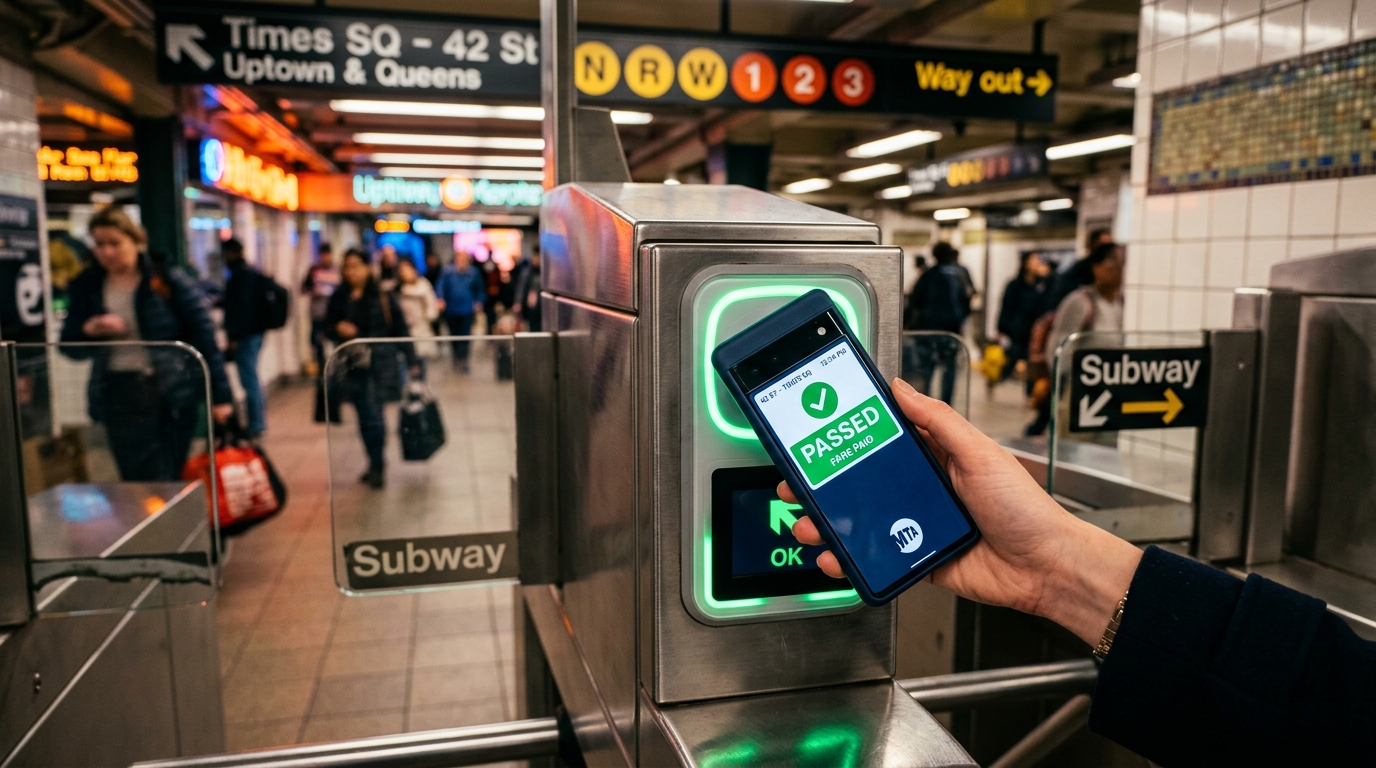
Navigation is painless if you use the right tools, but failure to prepare leads to massive headaches at station turnstiles. I watched travelers fumble with paper tickets while locals effortlessly tapped their phones. You should load an IC Card (like Suica or Pasmo) into your Apple Wallet or Google Pay immediately upon arrival.
Additionally, do not rely on physical maps. I found the VoiceTra app indispensable for real-time translation, especially in smaller, family-run restaurants that lack English menus. Without a translation tool, you risk missing out on local specialties or accidentally ordering items you cannot consume.
4. Over-Planning and Rigid Dining Schedules
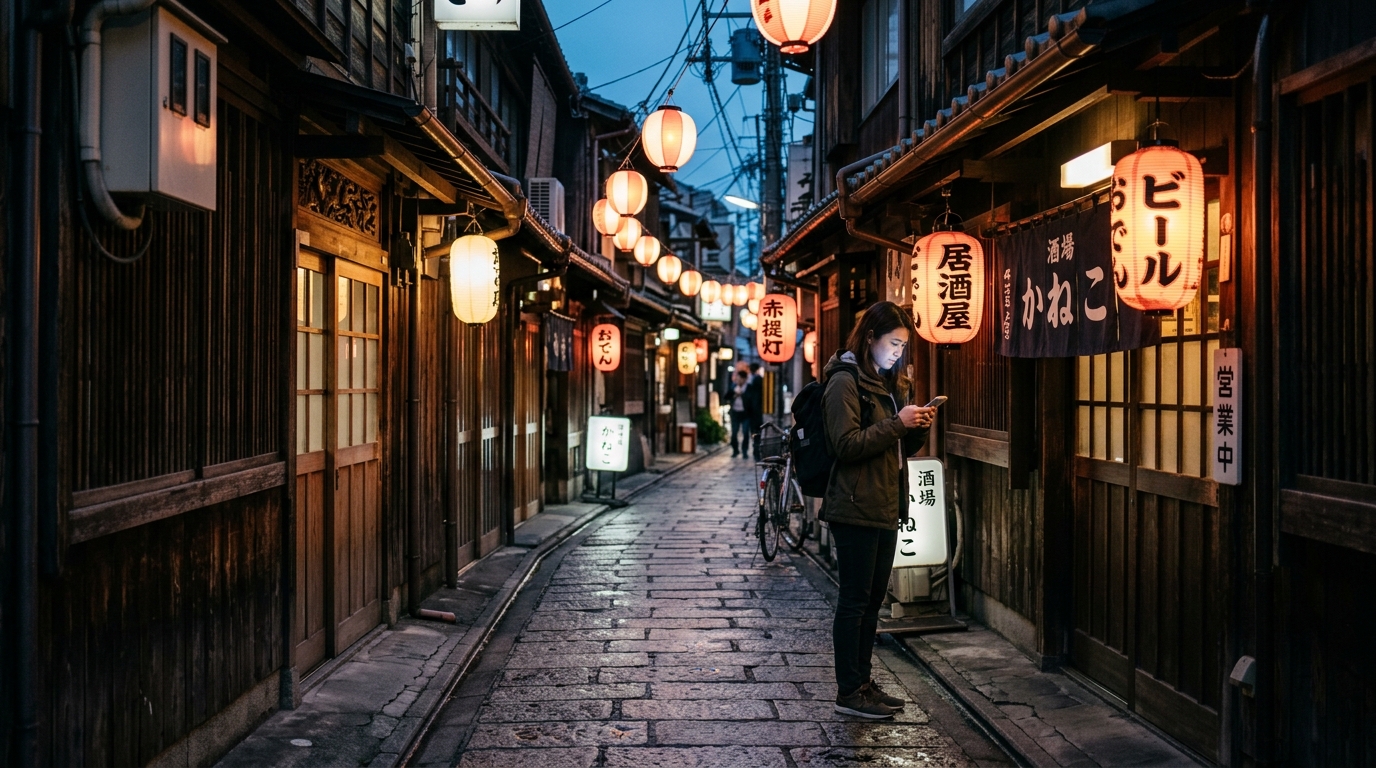
Travelers often feel pressure to secure reservations at trendy, Instagram-famous restaurants weeks in advance. During my trip, I found that my most memorable meals came from walking into local izakayas or noodle houses that had no online footprint. Japan’s food standards are high across the board; you rarely need a reservation for a great experience. By keeping 30% of your days entirely blank, you leave room for the magic of spontaneous discovery, like stumbling upon a quiet shrine festival in Ueno Park.
5. Overlooking Cultural and Seasonal Realities
Packing for the wrong season or ignoring local dress codes is a common frustration. I arrived with light summer attire, only to realize that conservative dress is preferred in many traditional settings. Furthermore, if you visit during sakura season, expect massive crowds. Conversely, traveling in the peak of summer means battling 95% humidity and extreme heat. Research the local weather and customs before you pack to ensure you are physically comfortable and culturally respectful.
Essential Logistics Checklist
| Item | Importance | Strategy |
|---|---|---|
| Pocket Wi-Fi | Essential | Rent for airport pickup to ensure navigation. |
| IC Card | Critical | Add to digital wallet before you board your first train. |
| Luggage Forwarding | High | Use Takkyubin services to ship bags between cities. |
| JR Pass | Variable | Calculate total rail costs before purchasing. |
Frequently Asked Questions
How much time should I realistically spend in Tokyo?
I recommend a minimum of seven to ten days. Tokyo is a massive, decentralized collection of neighborhoods. Spending less than a week means you will only see the top-tier tourist attractions, missing the soul of neighborhoods like Shimokitazawa or the hidden bars of Shinjuku. Giving yourself more time allows you to move at a human pace.
Is it better to visit during cherry blossom season?
Sakura season is beautiful but extremely crowded and expensive. If you enjoy calm, quiet travel, aim for late autumn when the leaves turn red. If you do go for cherry blossoms, be prepared for millions of other tourists and book your hotels at least six months in advance. The density of tourists can make transit feel stressful.
Can I get by without speaking any Japanese?
Yes, you can. Most major stations have English signage, but learning basic phrases like ‘Sumimasen’ (Excuse me) and ‘Arigato’ (Thank you) is appreciated by locals. Downloading an offline dictionary or translation app is essential for navigating smaller cities or interacting with taxi drivers who may not speak English at all.
Final Thoughts
My time in Japan taught me that the best trips are a mix of planning and surrendering to the flow. While I missed seeing Mount Fuji clearly and failed to catch a specific event in Osaka, these “failures” are simply invitations for a return trip. Japan is a country of layers; the more you peel back, the more there is to discover. Use these tips to build your foundation, but never be afraid to take a wrong turn and find something better than what you originally planned.