

Discovering the Pulse of amerikamura
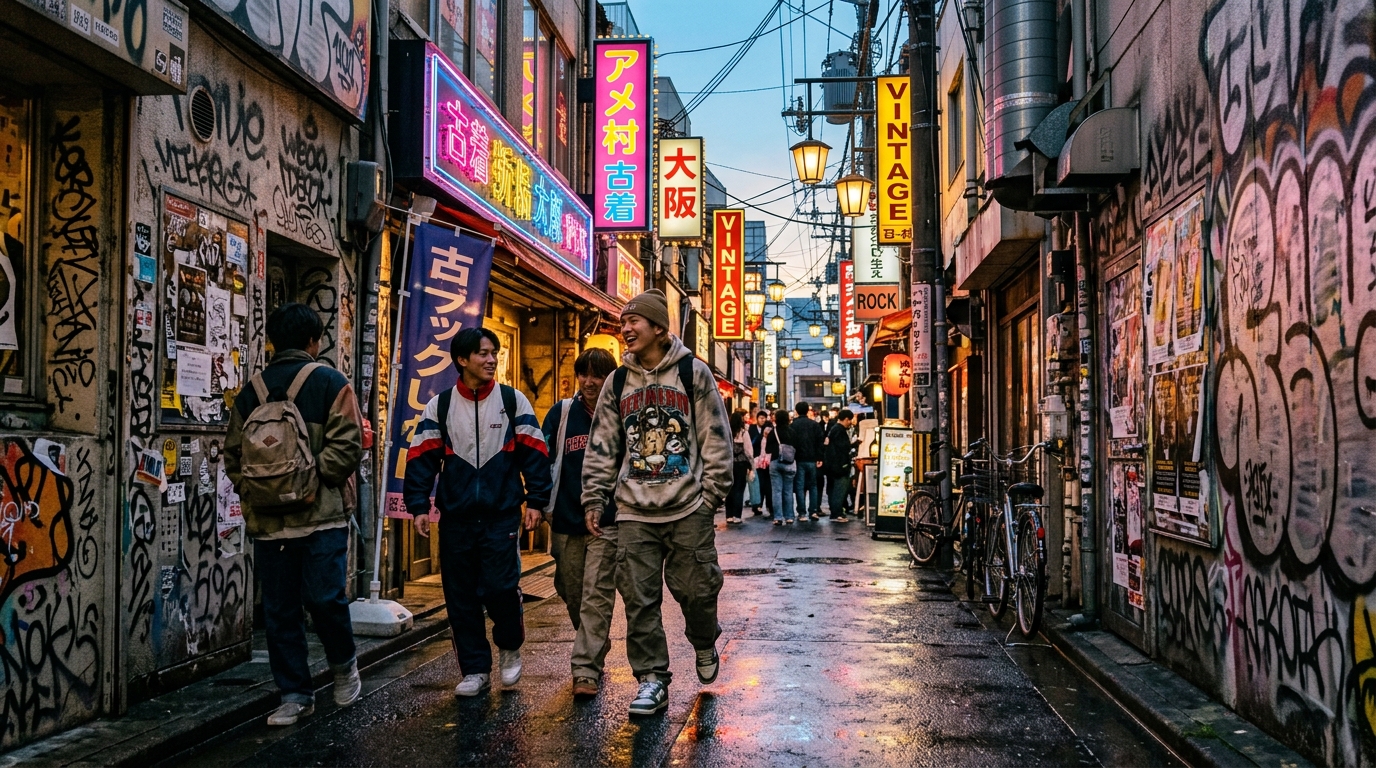
Amerikamura serves as the beating, often chaotic, heart of modern youth culture in Osaka. Located between the heavy commercial traffic of Shinsaibashi and Namba, this compact neighborhood operates on its own unpredictable rhythm. While Kyoto offers serene temples, this district rewards those who hunt for independent music, vintage fashion, and an unpolished, raw atmosphere.
My first visit to Amemura was a complete disaster. I arrived at 10:30 AM on a Tuesday, hoping for a breezy morning exploration, but found nothing but locked shutters and deserted concrete alleyways. I learned the hard way that this area simply does not function before noon. If you plan to visit, follow my lead and arrive in the afternoon to sync with the neighborhood’s actual pulse.
Why You Should Visit Amemura
Fashion: A massive destination for high-end vintage collectors and street-style trendsetters.
Atmosphere: High-energy, counter-culture vibrations that contrast sharply with the rest of Japan.
Logistics: The neighborhood hits its stride between 2:00 PM and 7:00 PM.
Culture: Home to legendary vinyl record shops, retro arcade gaming, and hidden, unmarked dining spots.
The Evolution of the American Village
To grasp why this neighborhood feels so distinct, look at its history. During the late 1960s and 70s, the area was primarily a collection of abandoned warehouses and charcoal storage facilities. Entrepreneurs began converting these vacant, gritty spaces into outlets for imported goods from the United States—specifically secondhand clothing and jazz records. By 1969, the opening of a cafe called Loop attracted a younger, more creative crowd, setting the stage for the neighborhood’s current identity.
By the 80s and 90s, the “American Village” moniker stuck as the area solidified itself as the epicenter of Japanese street fashion. Unlike the polished, corporate-run shopping malls of Kita, you will find narrow, crooked staircases leading to dimly lit shops that have occupied the same spot for decades. It feels like an open-air museum of late 20th-century counter-culture.
Navigating the Streets of Amemura
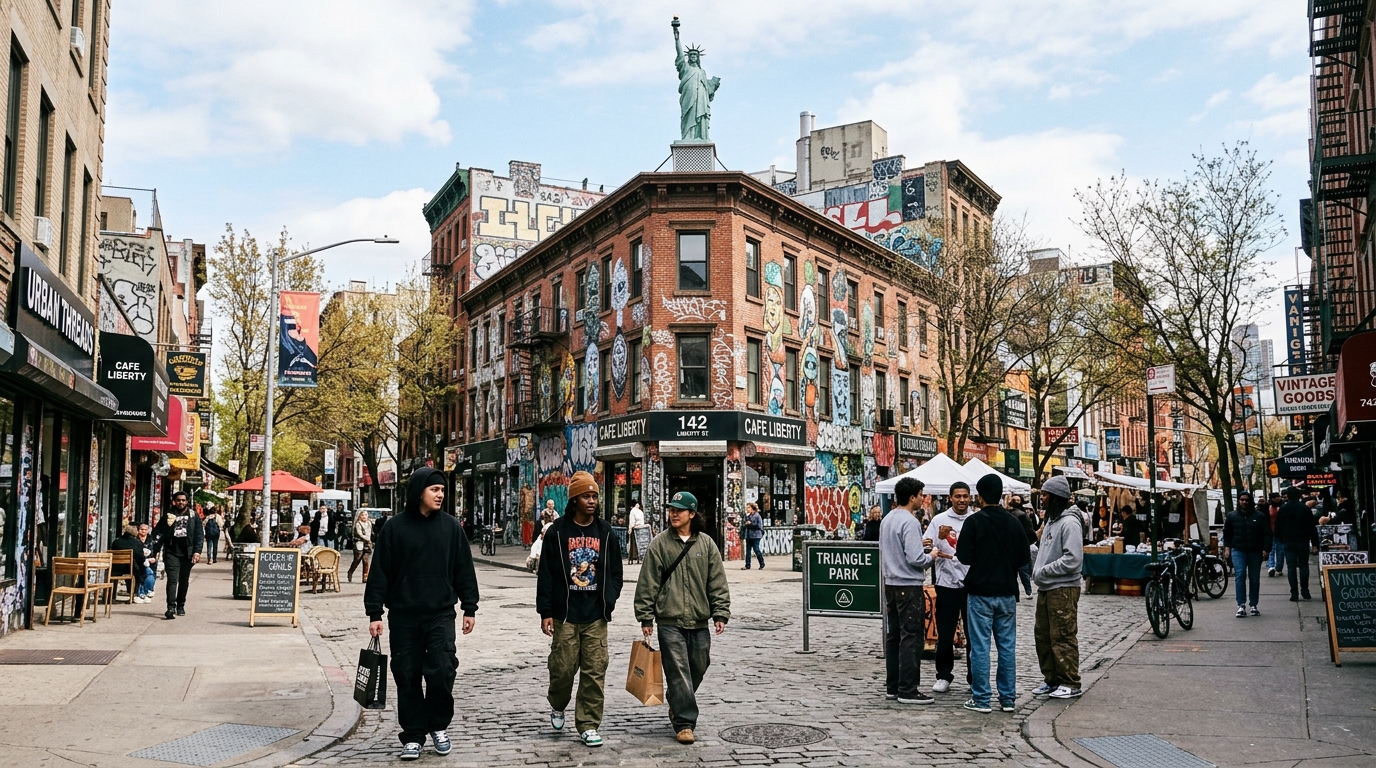
There are no official, clearly marked borders in Amerikamura, but the neighborhood revolves around Triangle Park (Sankaku Koen). This small concrete plaza acts as your primary compass. If you feel turned around, look for the miniature Statue of Liberty perched on a roof—it serves as the local lighthouse for lost tourists.
Most of the heavy action occurs in the four blocks between the Big Step Building and the main Shinsaibashi corridor. Once you step into this zone, the sensory shift is instant. The music volume increases, store aesthetics become more aggressive, and the average crowd age drops significantly. I found that wandering blindly is the only way to uncover the smaller, unlisted shops that hide behind unmarked, graffiti-tagged steel doors.
Timing Your Visit
Use this schedule to plan your day efficiently and avoid the mistake I made during my first trip:
| Time Window | Activity Level | Best For |
|---|---|---|
| Before 12:00 PM | Dead/Closed | Finding a quiet breakfast nearby |
| 12:00 PM – 2:00 PM | Opening | Avoiding the largest crowds |
| 2:00 PM – 7:00 PM | Peak Energy | Shopping and people-watching |
| After 8:00 PM | Transition | Bars, izakayas, and night owls |
Shopping and Subculture Essentials
Shopping here is an art form. You are not just buying clothes; you are digging through decades of fashion history.
Kinji: Located on the 2nd floor of BIGSTEP, this is arguably the most essential secondhand spot in the city. The selection is massive and organized by style, not just price.
WEGO: A massive Japanese retailer that actually got its start in these streets. It is a reliable spot for accessible, trend-forward streetwear.
King Kong: If you collect vinyl, you must visit this basement shop in BIGSTEP. It is a legendary space for music heads looking for everything from Japanese jazz to obscure club tracks.
The Silver Ball Planet: Also inside BIGSTEP, this is a fully functional retro pinball arcade. It is the perfect 30-minute break between heavy shopping sessions.
Angelic Pretty: A must-see for those interested in the “Sweet Lolita” aesthetic. Even if you do not purchase anything, the window displays are fascinating works of art.
Eating and Drinking Like a Local
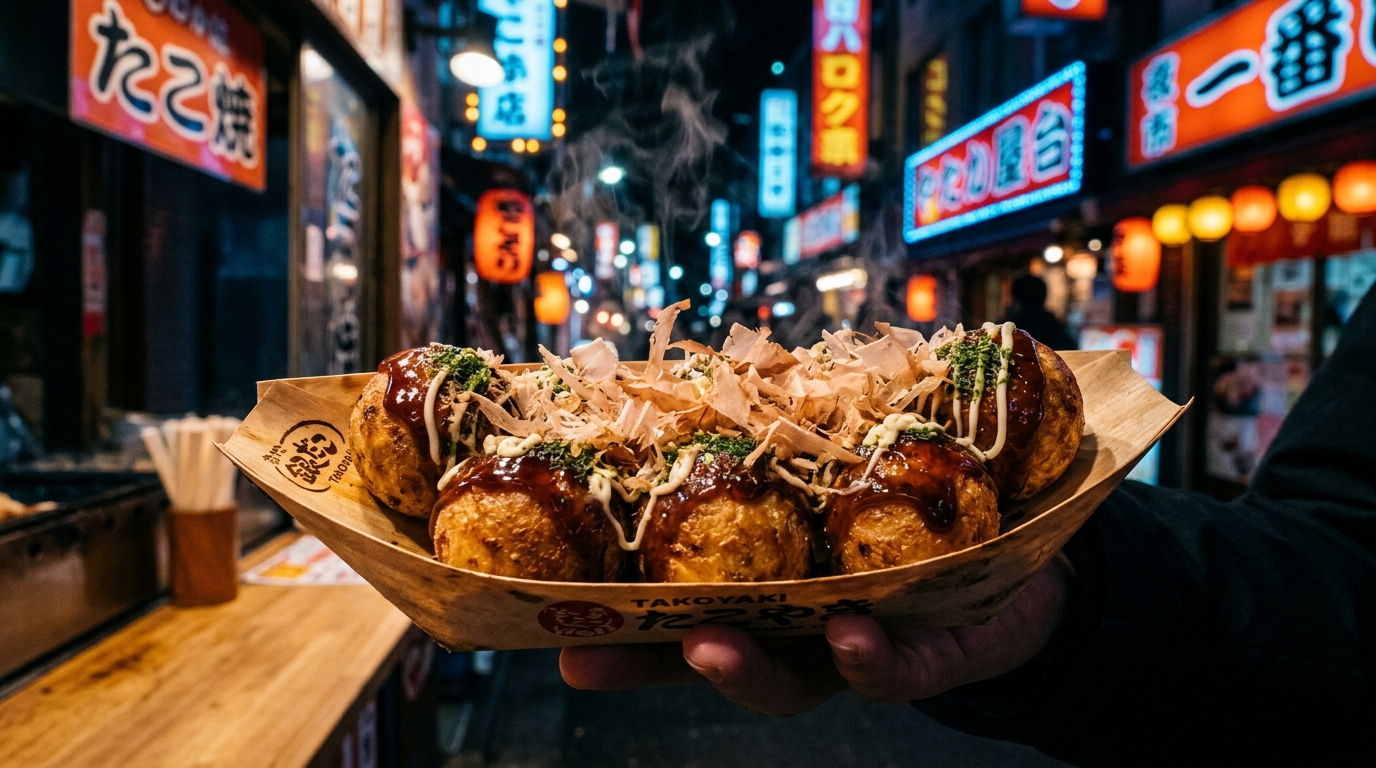
After walking for three hours, you will want fuel. While there are plenty of street-side stalls for takoyaki (octopus balls), I recommend hunting for the hidden eateries. Look for the Mitsudera Kaikan building. It looks like a nondescript office block from the outside, but inside are tiny, hole-in-the-wall bars and kitchens. It can be intimidating to open an unmarked door, but the locals are welcoming if you are polite.
Practical Tips for Your Visit
Cash is King: While larger shops accept cards, the independent vintage boutiques and small snack bars often require yen. Keep a stack of bills in your pocket.
Bathroom Logistics: Do not rely on street facilities. The second floor of the BIGSTEP building is your safest bet for a clean, accessible public restroom.
Digital Connectivity: Public Wi-Fi is hit or miss. I suggest using an eSIM so you can navigate maps without needing to hunt for a signal in the middle of a crowded shopping block.
- Mobility Issues: Be aware that many of the best shops are located on second or third floors accessible only by steep, narrow staircases. It is not the most wheelchair-friendly part of the city.
- www.japannakama.co.uk
- www.honolulumagazine.com
- www.going.com
- www.timeout.com
Frequently Asked Questions
Is Amerikamura safe for solo travelers?
Yes, it is very safe. Like most of Japan, the area is well-lit and busy. The crowd is energetic and alternative, but it is not dangerous. Use the same common sense you would in any major international city. Keep an eye on your belongings in dense crowds, and stick to the main paths if you feel uncomfortable after midnight. The biggest danger is likely just getting lost in a side alley, not a criminal threat.
Should I prioritize Amerikamura or Shinsaibashi-suji?
That depends on your style. Shinsaibashi-suji is a massive, long-covered arcade filled with mainstream global brands and traditional souvenir shops. Amerikamura is for the niche, the strange, and the independent. If you want unique vintage finds and subculture, choose Amemura. If you want a one-stop-shop for tourist items and big-name fashion, stick to the main shopping arcade.
How much time should I set aside for a trip here?
If you just want to walk through and see the architecture, 90 minutes is plenty. However, if you are a fan of vintage fashion or vinyl records, you should set aside 4 to 5 hours. There is a lot of “digging” involved, and you will likely lose track of time while browsing through the crowded racks of items. Always plan for at least a half-day to truly appreciate the depth of the area.
Conclusion: Embrace the Chaos
Amerikamura is not for everyone. It is loud, occasionally messy, and perfectly imperfect. If you are looking for the quiet, zen-like image of Japan found in travel brochures, you might find this district jarring. However, if you are curious about how modern Japanese youth interact with the world through music and fashion, there is no better place in the country to experience it.
Bring your comfortable shoes, extra cash for those vintage finds, and a healthy sense of curiosity. Whether you are hunting for 90s band tees or simply observing the ever-changing street styles, your time in Amemura will be one of the most revealing slices of Osaka life you encounter.