
Your Essential Guide to osaka, Japan
Planning a trip to Osaka, Japan, requires a mix of strategic logistics and an open appetite for the city’s legendary culinary scene. I just wrapped up a week exploring the neon-lit alleys and quiet temple grounds of this metropolis, and honestly, it’s a place that demands more than a quick stopover between Tokyo and Kyoto.
Quick Trip Takeaways
Stay Local: Prioritize hotels near namba or Umeda Station for the best access to transit.
Cash is King: Keep 10,000 to 15,000 yen in your pocket; many local eateries don’t take cards.
Passes Matter: Use the Osaka Amazing Pass to bundle your subway transit with free entry to key landmarks like the Osaka Castle Museum.
Timing: Visit in early spring or late autumn to avoid the sweltering heat of summer and the bitter winds of February.
Navigating Osaka: Where to Base Yourself
During my research, I found that staying in the wrong neighborhood can add hours of transit time to your trip. I split my stay between Namba and the Umeda/Osaka Station area. For my money, Namba is superior because you step out of the hotel and directly into the chaos of street food stalls.
For luxury, the Swissotel Nankai Osaka offers an unbeatable location right at the station. If you want a design-forward boutique experience, look at Zentis Osaka near Umeda; it’s tucked away on a quiet side street that felt like a sanctuary at 11 PM. If you are traveling as a group, I recommend searching for a condo near Namba, but be prepared for smaller spaces compared to North American standards.
Must-Visit Landmarks and Experiences
The Heart of Food: Dotonbori
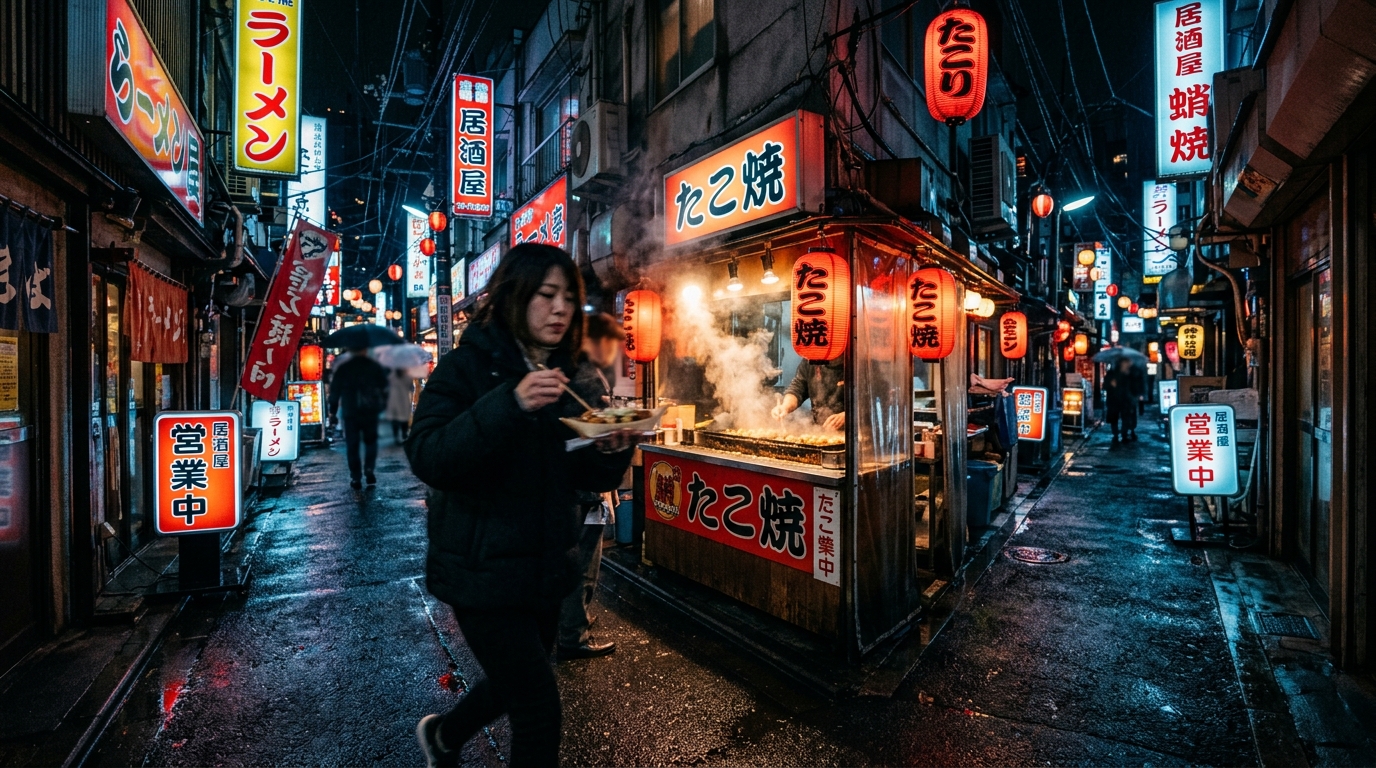
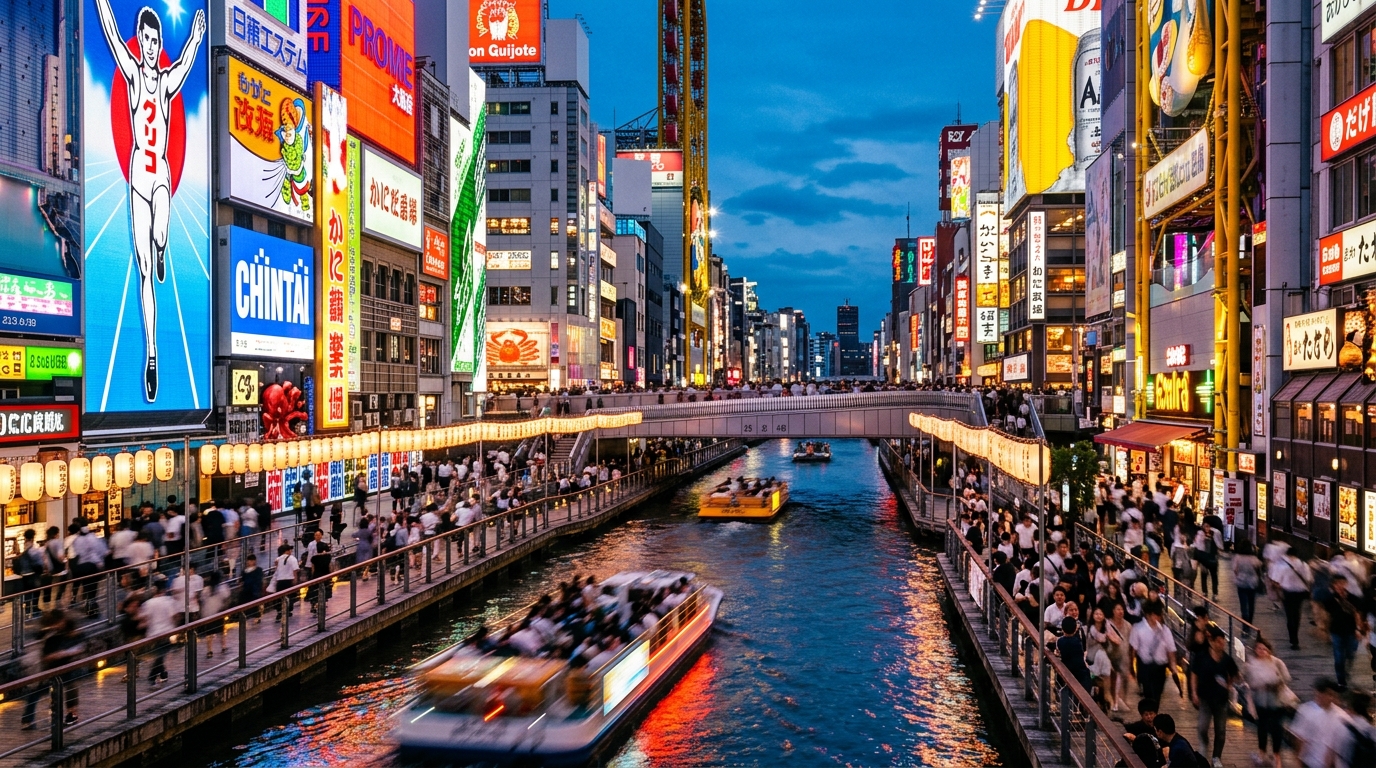
Everyone goes to Dotonbori to take a photo with the Glico Man, but the real magic is in the side alleys. Hozenji Yokocho is a narrow, lantern-lit path that feels like a time machine compared to the flashy main street. I spent an hour there, stopping at small stalls to try takoyaki—octopus balls—that were piping hot and smothered in ginger and bonito flakes.
Cultural Stops and Shrines
One of the most unique sites I encountered was Namba Yasaka Jinja. The massive lion-head-shaped stage is imposing, and the local belief is that the giant mouth swallows evil spirits. It’s a bit of a trek, but worth it. For a more serene experience, visit Shitennoji Temple. Founded in 593 AD, it’s one of the oldest in the country. Note: It does require walking, so wear comfortable, broken-in shoes. I made the mistake of wearing brand-new boots and paid the price in blisters by day three.
Smart Transport: Why the JR Pass Isn’t Always the Answer
Travelers often assume the nationwide JR Pass is the best value, but in 2026, the numbers rarely add up for a local-heavy itinerary. If you are sticking to the Kansai region, look into the JR West Pass instead.
For city transit, Google Maps is incredibly accurate, but don’t rely solely on it for ticketing. I found the Osaka Amazing Pass provided the best value because it includes local train fares and entrance fees for attractions. Remember, there is no tipping in Japan; leaving extra money will only confuse your server.
Honesty About the Downsides
I won’t sugarcoat it: Osaka can be overwhelming. The Dotonbori district gets uncomfortably crowded, especially on weekends, making it difficult to even walk from point A to point B. Also, the public trash system is nonexistent. You need to carry a small plastic bag in your day pack to hold your trash until you return to your hotel. It’s a minor annoyance, but one that caught me off guard my first day.
Frequently Asked Questions
How many days should I allocate for Osaka?
I recommend a minimum of two full days to see the city proper. However, if you want to explore the surrounding Kansai region—such as the deer park in Nara or the historic sites in Kyoto—four to five days is the sweet spot. I spent four nights, which allowed for a relaxed pace.
Do I need a specialized train pass for Osaka?
It depends. If you are taking the Shinkansen (bullet train) from Tokyo to Osaka, check the current ticket prices versus the 7-day JR Pass cost. For most travelers focusing on Osaka and local trips to Nara or Kobe, buying point-to-point tickets or using a regional pass like the JR West Pass is significantly cheaper.
Are English-speaking tours worth the cost?
They can be. I booked a backstreet food tour in Shinsekai, and having a local guide helped me navigate menus that were exclusively in Japanese. It saved me from making awkward ordering mistakes and introduced me to flavors I never would have picked on my own.
Final Thoughts on Your Trip
Osaka is a gritty, honest, and delicious city. It doesn’t have the polished, silent elegance of Kyoto, but it has a soul that welcomes you with open arms. Don’t be afraid to wander into the unmarked doors—some of the best udon I’ve ever eaten was in a three-seat shop tucked behind an office building. Pack light, keep your passport handy for tax-free shopping, and enjoy the ride.