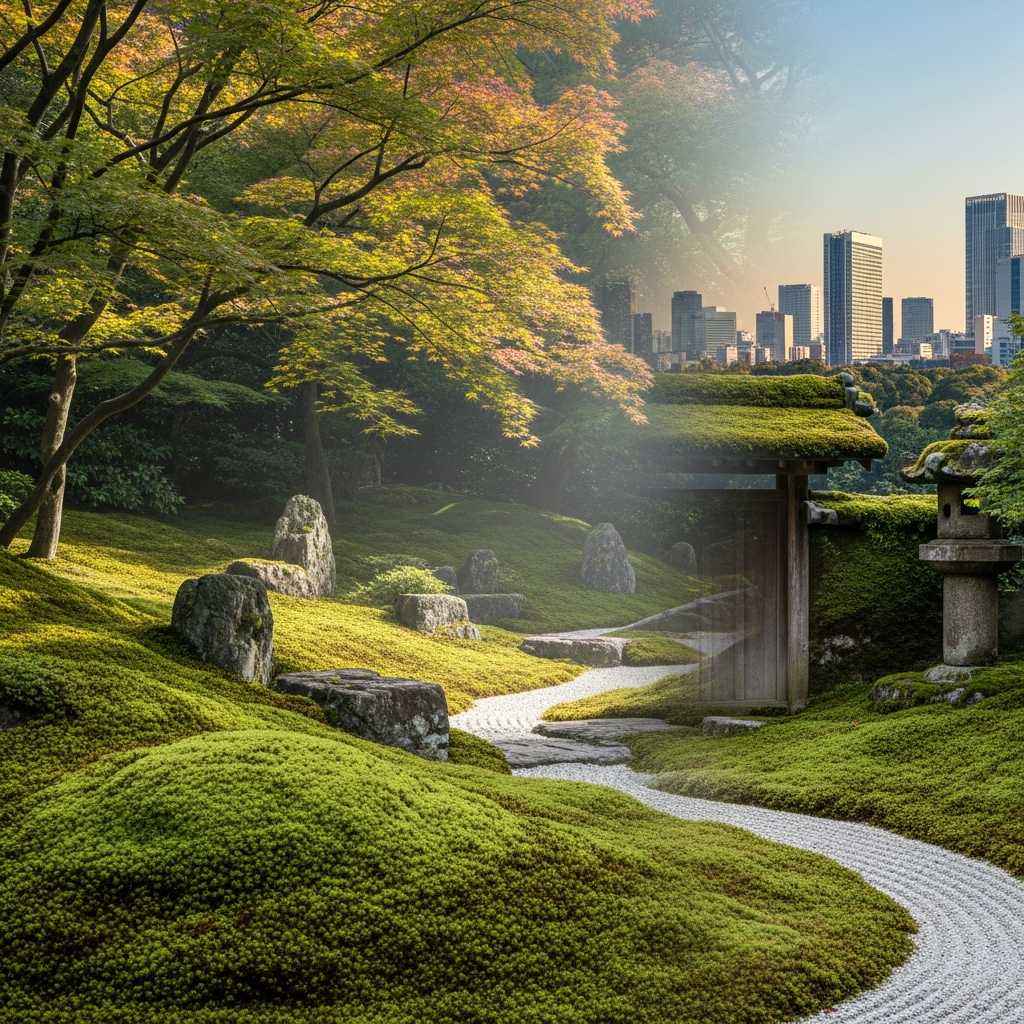

Planning your first-time japan trip is an exhilarating dive into a country where ancient customs gracefully intertwine with cutting-edge modernity. From Kyoto’s serene moss gardens to Tokyo’s electric neon districts, Japan promises an adventure unlike any other. This comprehensive guide will help you craft a memorable itinerary, ensuring you experience key landmarks and immerse yourself in local culture, all while navigating practicalities with ease.
Your Japan Adventure Awaits: Quick Summary
Optimal Timing: Consider autumn (October to early December) for pleasant weather, manageable crowds, and stunning fall foliage, offering a peaceful alternative to the busy spring cherry blossom season.
Seamless Travel: The Japan Rail (JR) Pass is crucial for efficient inter-city travel on the Shinkansen, Japan’s famed bullet train. Plan its activation strategically.
Cultural Immersion: Embrace local customs like onsen etiquette (naked, gender-segregated baths) and seek out interactions with hospitable locals to deepen your understanding.
Strategic Route: We suggest starting your journey with a tranquil ryokan stay before diving into the dynamism of Tokyo, the iconic landscapes of Hakone, the culinary heart of Osaka, and the historic elegance of Kyoto.
Practical Perks: Take advantage of Japan’s incredibly efficient luggage forwarding service (Takkyubin) and don’t underestimate the delicious, often gourmet, food available at train stations.
When to Plan Your Japan Adventure
While the iconic sakura (cherry blossom) season in March and April captivates with its delicate pink and white blooms, it’s also Japan’s busiest tourist period. From my own research, I found balancing the beauty of the blossoms with the realities of larger crowds and higher prices quite challenging. For a truly superb alternative, consider visiting in October or extending into late November to early December. October generally offers mild temperatures, low humidity, and streets that are notably less congested. You’ll witness a spectacular autumnal landscape that feels far more relaxed.
For those specifically chasing Kyoto’s legendary fall colors, targeting late November to early December is ideal, as confirmed by many travelers. The temperatures are comfortable for hiking, skies are often clear, and rainfall is minimal. However, heed the advice to avoid peak holiday periods. According to recent travel advisories, steer clear of Japan’s major holidays like Golden Week (typically late April to early May), the Obon Vacation Period (mid-August), and Silver Week (mid-September) if you wish to avoid overwhelming crowds and significantly higher costs for accommodation and travel. These times, while convenient for locals, mean packed attractions and transportation for visitors.
Navigating Your Way: Getting There & Around
For international flights, especially from Europe, airlines like Finnair offer a remarkably comfortable experience. Though not always direct to London, their routes via Helsinki provide competitive pricing and a sleek, modern airport designed for smooth transfers. Once in Japan, your best friend for inter-city travel will undoubtedly be the Japan Rail (JR) Pass.
Japan’s rail network is incredibly efficient and punctual. The JR Pass grants you unlimited travel on most JR trains, including the legendary Shinkansen bullet train, for 7, 14, or 21 consecutive days. It’s a fantastic value for anyone planning multiple long-distance journeys. While pass prices saw a significant increase in October 2023, and faster Nozomi/Mizuho Shinkansen trains now incur an additional fee, the pass still remains a cost-effective choice for extensive travel. Strategic activation is key: if your trip starts with several days in one city, consider activating the pass just before your first long Shinkansen journey to maximize its value. For local city transit, Japan’s public transport is excellent, and tools like Google Maps are indispensable, though I confess Tokyo’s subway system initially felt like a daunting puzzle, and I certainly made a few wrong turns getting the hang of its destination-based fare system.
Cultural Connections: Beyond the Guidebook
Japan’s rich bathing culture offers profound experiences, but it comes with specific etiquette. For first-timers, understanding onsen rules is paramount. These traditional hot springs are, with very rare exceptions, segregated by gender, and bathers are expected to be “stark naked.” Swimwear is not allowed. I’ve heard stories of tourists making this error, so I emphasize this point – it’s about respecting a deep-seated custom for a truly authentic and relaxing experience. Beyond the baths, connecting with locals is incredibly rewarding. Japanese people are wonderfully hospitable; seek opportunities to engage, whether in a lively market or a quiet izakaya. These interactions will significantly enrich your appreciation for the culture. Don’t be afraid to try new culinary experiences beyond ramen and sushi. I once tried natto (fermented soya beans), which some describe as “Japanese Vegemite”—it’s certainly a divisive flavor!
Crafting Your Golden Route Itinerary
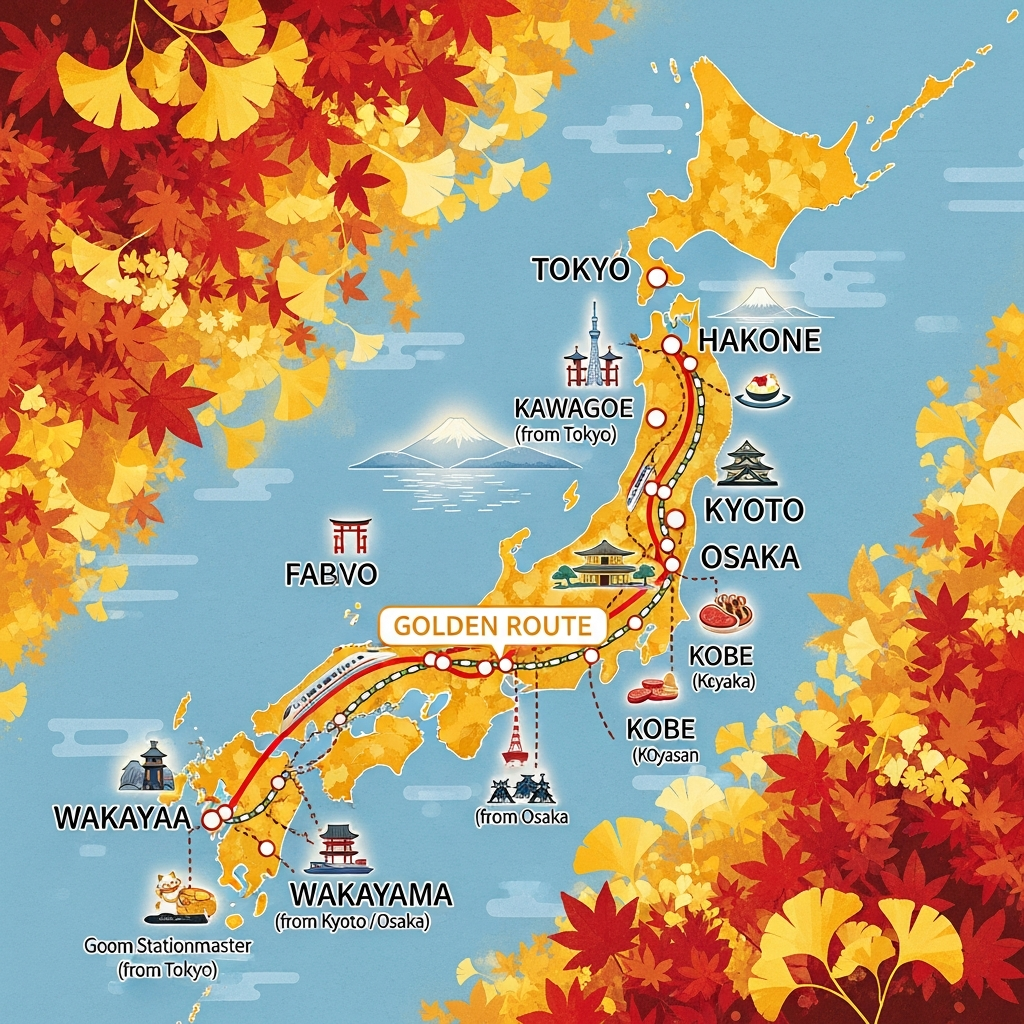
The ‘Golden Route’ – traditionally encompassing Tokyo, Hakone, Kyoto, and Osaka – is an excellent introduction for first-time visitors. However, I propose a subtle tweak. Instead of immediately plunging into Tokyo’s intensity, consider starting with a restorative trip to a traditional ryokan (Japanese inn) in the countryside.
Hamamatsu: A Gentle Introduction
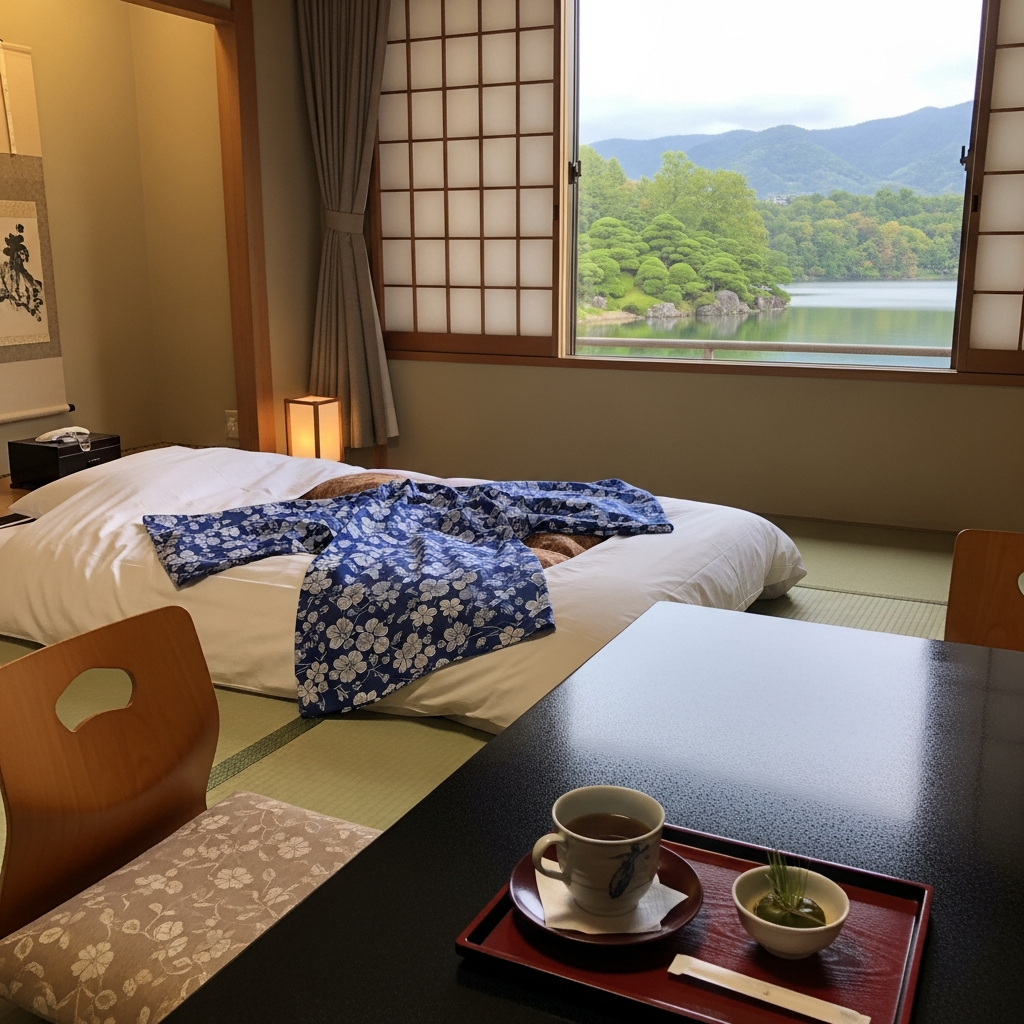
After landing in Tokyo, extend your journey a few more hours via the superb Shinkansen to Hamamatsu. This provides a gentle entry into Japan, allowing you to gradually adjust. I highly recommend KAI Enshu, a wonderfully serene waterside retreat operated by Hoshino Resorts. Here, you’ll don a comfortable yukata (cotton kimono) and spend time soaking in geothermal onsen hot springs, gazing over Lake Hamana and vibrant green tea fields—a local specialty. Hamamatsu offers a calmer pace, allowing you to explore the scenic Flower Park or the whimsical Nukomori-no-Mori fairytale village, all while drinking copious amounts of hojicha (toasted green tea) and preparing for your adventures.
Tokyo: The Megacity Unleashed
Welcome to the largest metropolitan area on the planet, offering infinite possibilities. Begin your exploration with the grandeur of the Imperial Palace and its surrounding East Garden (do check their precise opening hours!). Witness trainee sumos in action at the Arashio-beya sumo stables, which offer free viewing platforms. For sensory overload and fresh sashimi, the Tsukiji Outer Market still provides a vibrant taste of frenzied seafood trade. In the evening, get wonderfully lost in Golden Gai, a maze of tiny, owner-operated micro-bars, or Omoide Yokocho (‘Piss Alley’), known for its smoky yakitori and cheap beer. Be aware: many venues only seat fewer than ten people, making them best for groups of two or less.
For sprawling city panoramas, a stay or cocktail at the Tokyo Toranomon EDITION boasts incredible views of the Tokyo Tower. Consider exploring different districts: OMO5 by Hoshino Resorts offers budget-friendly yet beautifully designed stays in areas like Otsuka or Gotanda, with local ‘rangers’ providing guided tours to discover hidden neighborhood spots. For sheer luxury, the Peninsula Tokyo offers an indulgent experience, with its central location near Ginza and overlooking Hibiya Park.
Hakone: Iconic Views and Unforgettable Flavors
Just outside Tokyo, Mount Fuji is the star attraction in Hakone. While summit climbs are an option, a distant view can be equally profound. Visit the Narukawa Art Museum for a double cultural experience, admiring art before paying respects to Fuji-san from their viewing deck across Lake Ashi on a clear day. If I can offer one single piece of advice: eat at Kamakō Restaurant, a minute’s walk from Hakone station. Their simple dish of cold udon noodles in dashi broth will haunt your dreams, in the best possible way. This, truly, was a highlight of my trip.
Osaka: Culinary Heartbeat of Japan
More grounded than Tokyo, Osaka is a boundless culinary haven. Your core experiences will revolve around food. You absolutely must try local specialty kushikatsu – skewered, battered, deep-fried delicacies dipped in a piquant Worcestershire-esque sauce (Fujiyama is a masterclass!). At Kuromon Market, graze on everything from blowtorched A5 wagyu to king crab legs. The chaotic Dotonbori offers an overwhelming sensory experience: immense neon advertisements, colossal mechanical restaurant signage like the moving crab outside Kani Doraku, and bustling bars. Its energy is utterly captivating, despite the crowds.
Beyond food, explore Nakazakicho’s maze-like neighborhood of relaxed, independent boutiques. Karaoke is huge here, from slick venues to the wonderfully low-fi experience in the older Kamagasaki area near Shin-Imamiya Station. Tiny bars in old shopping arcades offer remarkably priced drinks and heartfelt solo songs from local businessmen. It’s an oddly intimate, authentic encounter I highly recommend. For your stay, OMO7 Osaka places you right in the heart of this energetic chaos, boasting its own onsen for a cleansing start to your day.
Kyoto: Imperial Elegance and Autumn’s Embrace
Calmer and more refined, Kyoto, the former imperial capital, moves at a slower, more ceremonial pace. It’s an elegant city brimming with stunning shrines and temples. The Yasaka Pagoda, Fushimi Inari Taisha’s extraordinary trail of thousands of vermilion torii gates, the gold-clad Kinkaku-ji Golden Pavilion, and the lavish Nijō Castle all offer glimpses into Japan’s profound history. I found the thousands of small, spotlessly clean Shinto and Buddhist shrines dotted around the city to be particularly serene, each offering a moment of quiet contemplation.
Kyoto in fall is a magical experience, best appreciated from late November to early December. Don’t miss Eikando Temple with its breathtaking autumn colors and panoramic pagoda views. Kiyomizu-dera Temple, founded in 778 AD, offers stunning city views, while Tofuku-ji Temple is particularly celebrated for its vibrant maple trees. For a peaceful escape, Tenryu-ji Temple & Gardens in Arashiyama, a UNESCO site, features largely untouched gardens against mountain backdrops. Other notable fall foliage spots include Nanzen-ji Temple and Ginkaku-ji Temple.
In Kyoto’s Gion district, with its low-rise timber buildings, you’ll find neighborhoods still populated by practicing maiko and geiko (Kyoto’s term for geisha). The Gion Kagai Art Museum details their history and hosts performances of the subtle kyōmai dance. For luxurious stays, Hotel The Mitsui Kyoto, designed by André Fu, is an exquisite masterclass in elegance, centered around a beautiful landscaped garden and a thermal spa. For a secluded experience, HOSHINOYA Kyoto in Arashiyama, accessible primarily by a 15-minute traditional boat journey, offers stand-alone buildings along the riverbank with monumental views and traditional kaiseki dining. To mitigate crowds during peak fall season, prioritize a few daily sights and start early in the morning.
Beyond the Golden Path: Day Trips and Deeper Dives
While the Golden Route provides an incredible overview, don’t hesitate to venture further. Exploring lesser-known areas offers a deeper appreciation of the culture. Many residents of Japan advocate for exploring destinations beyond the main hubs, all within one to two hours of Japan’s largest cities. Here are a few compelling day trip options:
Kawagoe (Little Edo) from Tokyo: Easily accessible, Kawagoe transports you to Japan’s Edo period with historic buildings now housing unique shops and sweets vendors. Browse vintage stores, try local sweet-potato chips with flavored butter, and visit the Toki no Kane bell tower and Kawagoe Hikawa Shrine. It’s a calmer alternative to Tokyo’s intensity.
Kobe from Osaka: Less than an hour by train, Kobe blends mountains, excellent food, and waterfront beauty. Ride the ropeway up Mount Rokko to Nunobiki Herb Gardens for stunning city views. Explore the historic Ikuta Shrine before diving into Kobe’s vibrant Chinatown, a must-stop for diverse food vendors. End your day around Kobe Port Tower and Harborland, beautiful when lit after dark.
Nara from Osaka or Kyoto: A classic and highly recommended day trip, about 45 minutes by train. Nara is famous for Nara Park, where wild deer roam freely and even “bow” for special crackers—a super fun interaction. Beyond the deer, the park houses the monumental Todai-ji Temple, and you can watch live mochi-pounding at Nakatanidou near the station.
Wakayama City from Osaka: Approximately 90 minutes from Osaka, Wakayama City is a lesser-known gem with a quiet, local atmosphere. Visit the free Fusion Museum dedicated to knitting heritage, then explore Wakayama Castle. Its tower offers spectacular 360-degree views of the city, mountains, and ocean – my favorite view in Japan so far. Finish with some of the best ramen at Ramen Bakumatsu’s castle branch, then stroll along the coast at Wakayama Marina City.
Essential Wisdom for Your Japan Journey
Luggage Forwarding: Utilize Japan’s magnificently simple and remarkably affordable luggage forwarding service (Takkyubin). Your suitcase magically travels from one hotel to your next destination, making multi-city train travel incredibly easy and freeing you from hauling heavy bags.
Don’t Over-Plan: Concoct a loose plan for your days, but allow yourself the freedom to deviate. Some of the best discoveries are unplanned moments.
Train Station Cuisine: Seriously, some of the absolute best meals you’ll eat will be in train stations. Don’t overlook them.
Japanese Toilets: Yes, they are astonishing. Heated seats, bidets, and often more features – you’ll quickly become accustomed to their comfort. Returning to “the old ways” feels like an indignity, and I confess, I even researched buying one for myself.
It’s Okay to Give In: Not everything needs to be ancient shrines and museums. If you yearn for an otter café, a micro-pig café, or even a capybara-and-kittens-and-Shar Pei-puppy café, that’s perfectly fine. Follow your heart!
Honest Downsides: While Japan is incredible, I did encounter a few minor frustrations. The lack of strong air conditioning in some places, even during my fall trip, was notable due to a cultural preference against “blasting the AC.” Also, finding an early morning coffee shop outside of hotels or convenience stores could be surprisingly challenging when battling jet lag. While I adored the convenience of Japanese konbini (7-Eleven, Lawson, Family Mart), I often reflected on the amount of single-use plastic they generate. Lastly, a minor but recurring niggle was the surprising lack of soap in some public restrooms.
Don’t Attempt to See It All: Japan is vast and incredibly diverse. You won’t see everything in one trip, and that’s perfectly okay. Trust me, you’ll be back.
Frequently Asked Questions
Q: What is the best time of year to visit Japan for a first-time trip?
A: While cherry blossom season (March-April) is popular, I often recommend October or even into late November/early December for a first-time Japan trip. The weather is clement with lower humidity, and the autumn foliage is stunning. Crucially, it’s less crowded and often more affordable than the spring high season, allowing for a more relaxed and authentic experience. Be sure to avoid major national holidays like Golden Week or Obon for the best experience.
Q: How can I best navigate between cities in Japan?
A: The Japan Rail (JR) Pass is your best friend for inter-city travel. It offers unlimited use of JR trains, including the incredibly efficient and punctual Shinkansen (bullet train). I strongly advise pre-purchasing it for 7, 14, or 21 days based on your itinerary. While recent price increases mean specific high-speed Shinkansen now incur an extra fee, it remains excellent value for extensive travel. For local travel within cities, public transport is excellent, and services like Google Maps are invaluable.
Q: What essential cultural etiquette should I know for visiting an onsen?
A: The most crucial onsen etiquette is that facilities are almost always gender-segregated, and you must enter completely naked. Swimwear is not permitted. Always wash thoroughly before entering the hot springs. It’s a deeply relaxing and traditional experience, so embracing these customs shows respect for Japanese culture and ensures you have a proper onsen experience. Don’t be shy; it’s a normalized part of Japanese life.
Conclusion
Japan is an endlessly exciting country, promising a lifetime of cherished memories. From the tranquil ryokans that offer a gentle introduction to the electric energy of Tokyo, the unparalleled culinary delights of Osaka, and the historic serenity of Kyoto, your first trip will be a profound feast for the senses. While you might encounter a few minor quirks, the overwhelming hospitality, efficiency, and sheer beauty of Japan will leave an indelible mark. Embrace the journey, savor the unexpected, and remember: this is likely just the first chapter of your Japanese adventure, sparking a lifelong desire to return and explore further.