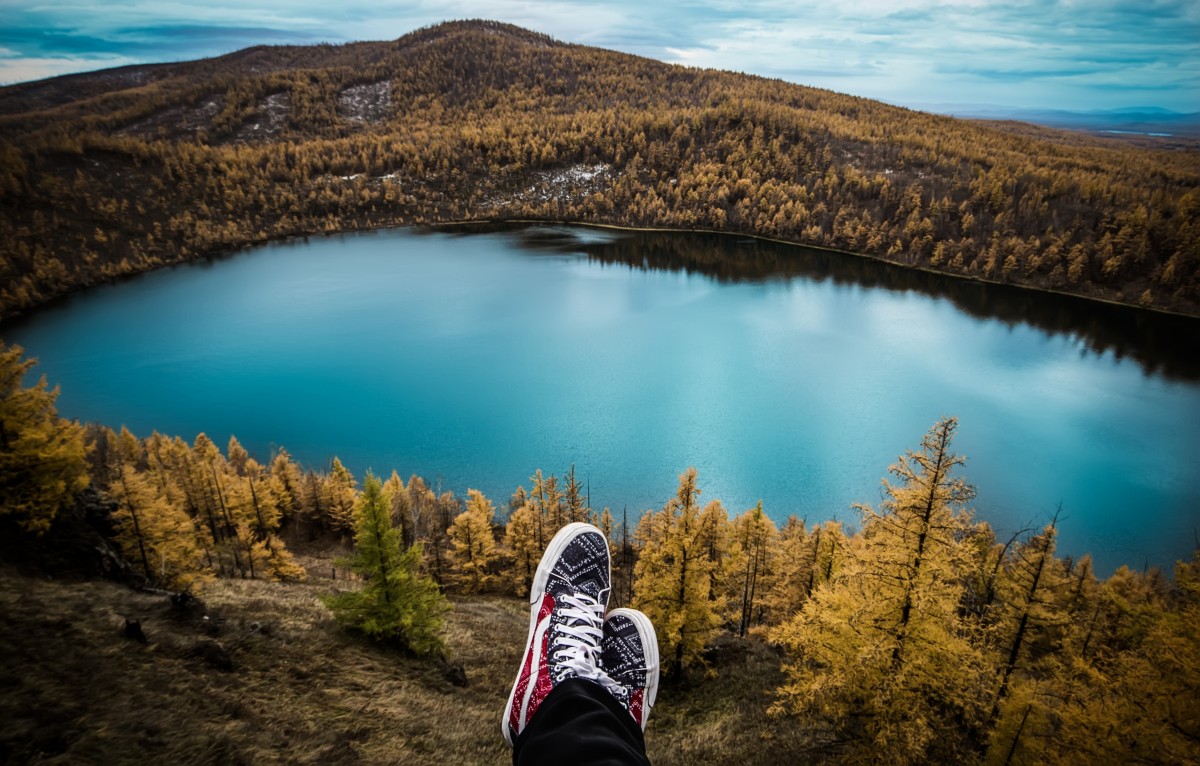

The best time to visit osaka truly transforms your travel experience, aligning perfectly with your personal preferences for weather, crowds, and seasonal beauty. While every season in this dynamic metropolis offers its unique charm, most travelers seeking ideal conditions will find spring (April to early May) and autumn (October to November) to be particularly appealing. Having explored Osaka myself during its diverse climate shifts, I’ve learned that thoughtful timing can make all the difference, helping you avoid stifling heat, torrential downpours, or peak holiday crowds.
Quick Guide: When to Plan Your Osaka Trip
Spring (April – Early May): Enjoy mild temperatures and spectacular cherry blossoms. Expect significant crowds and higher prices, especially during peak bloom and Golden Week.
Autumn (October – November): Delight in pleasant, crisp weather and breathtaking fall foliage. Generally, fewer crowds than spring and often better value.
Summer (June – August): Brace for intense heat, extreme humidity, frequent rain, and typhoon risks. Best for indoor activities or if you thrive in sweltering conditions.
Winter (December – February): Experience cool, dry days with fewer tourists. Excellent for budget travel and a quieter city, though some attractions may have limited hours around New Year’s.
Unpacking Osaka’s Climate: A Seasonal Deep Dive
Osaka, situated within Japan’s humid subtropical climate zone, boasts four clearly defined seasons. Unlike the harsher cold found further north in Hokkaido, Osaka typically maintains relatively mild temperatures throughout the year. While a visit is feasible at any point, understanding what each season brings will help you pack appropriately and plan for a truly memorable adventure.
Spring in Osaka: Cherry Blossoms, Festivals & Lively Crowds (March – May)
Spring in Osaka, spanning from March to May, is frequently lauded as the city’s most picturesque period. The lingering chill of winter gives way to mild, sunny days, perfect for leisurely explorations. The undisputed highlight is the arrival of the iconic cherry blossoms (sakura).
From late March into early April, Osaka becomes a vision of pastel pink. The official bloom date typically falls around March 24, with peak viewing lasting into early April. I vividly recall watching the majestic Osaka Castle framed by blushing sakura – it’s a truly magical sight, even with the accompanying surge of visitors vying for the same photo opportunity.
Top Spring Activities:
Hanami (Cherry Blossom Viewing): Join locals for picnics beneath the blossoming trees. Osaka Castle Park (especially Nishinomaru Garden for illuminated evening views), Kema Sakuranomiya Park along the Ogawa River with its 4,500 trees, and Expo ’70 Commemorative Park showcasing 5,500 trees across nine varieties are prime locations.
Late Bloomers: If your trip extends into mid-April, the Osaka Mint Bureau famously offers public access to its garden for just one week, featuring over 300 late-blooming yae-zakura varieties. Remember to book your entry in advance!
What to Expect: Early spring evenings can still be chilly, so I always recommend packing a warm, light jacket. By April and May, daytime temperatures become wonderfully comfortable. However, be prepared for significant crowds and higher prices for both flights and accommodation, particularly during the peak cherry blossom season and Golden Week (the first week of May). During one accidental Golden Week trip, I learned firsthand that packed public transport and pricier hotels are the norm – something I’d definitely advise avoiding if your schedule allows.
Summer in Osaka: Heat, Humidity, and Festive Energy (June – August)
Osaka’s summer, from June to August, is defined by intense heat and oppressive humidity. This is the city’s wettest period, with the rainy season (tsuyu) typically occurring between mid-June and late July. While it doesn’t rain every day, heavy downpours are common, and the air often feels incredibly sticky. Adding to the weather challenges, summer also overlaps with Japan’s typhoon season, which runs from May to October and peaks in August and September. I recall a September visit where temperatures consistently hovered around 34°C (93°F) with 98% humidity – it genuinely made exploring outdoor landmarks like Osaka Castle uncomfortable until dusk, forcing us indoors or to nocturnal activities. Despite these conditions, summer is a popular tourist season, fueled by global school holidays and major cultural events in nearby cities like Kyoto’s Gion Matsuri.
What to Wear: Lightweight, highly breathable, and moisture-wicking clothing is essential. Think shorts, light dresses, or quick-drying travel pants. A compact umbrella or a lightweight waterproof jacket is a non-negotiable item for your daypack, even if the morning sky looks clear. Booking accommodations with laundry facilities can be incredibly valuable, as you might find yourself needing to change outfits multiple times a day due to the constant sweating.
Honest Downsides: Beyond the challenging weather, this is generally the most expensive time to visit after spring, and crowds remain substantial. If you’re sensitive to heat and humidity, or if the potential for typhoons makes you nervous, I would honestly recommend choosing another season for a more comfortable experience.
Autumn in Osaka: Golden Hues and Perfect Exploration (September – November)
Alongside spring, autumn is widely regarded as another best time to visit Osaka. From September to November, the intense summer heat gradually recedes, replaced by beautifully clear, sunny days and comfortable temperatures. Early September can still be quite warm and humid, and typhoon season remains a concern, making it wise to monitor weather reports closely. However, as October progresses, conditions become increasingly pleasant.
Mid-October signals the beginning of the spectacular fall foliage season. The city’s parks and gardens burst into vibrant shades of red, orange, and yellow. November, in particular, offers breathtaking scenes as the fall colors reach their peak, often with very little rain. This season typically sees fewer crowds than spring, and you might even discover more favorable hotel prices, making it a truly ideal time for exploring.
What to Wear: In early autumn, summer attire is often sufficient. As temperatures drop in October and November, a warm, softshell jacket or a light sweater becomes necessary for evenings and cooler days. Since September is the second rainiest month, packing a light rain jacket for the initial part of the season is a smart precaution.
Winter in Osaka: Crisp Air and Quiet Discoveries (December – February)
Osaka’s winter, from December to February, presents a distinct kind of allure. While temperatures are cool, often dropping to around 4°C (40°F), they rarely plunge to the sub-zero extremes found in northern Japan. Snow is a rare occurrence in Osaka, typically melting within hours if it falls at all. This is also the driest time of year, promising plenty of crisp, sunny days perfect for sightseeing without the summer’s oppressive humidity.
Winter is generally considered the slow season for tourism in most Japanese cities, making it an excellent time for budget-conscious travelers to find deals on accommodation and flights. The lack of crowds offers a more relaxed pace for visiting popular attractions. I personally find the quiet calm that settles over the city during these months particularly appealing, allowing for a more authentic and less hurried local experience.
What to Wear: Layering is crucial. A warm, hardshell jacket, along with a hat, scarf, and gloves, will keep you comfortable during outdoor activities. While the focus isn’t on snowy landscapes, indulging in a hot spring (onsen) is a popular winter activity, offering a wonderfully cozy retreat from the cold.
Osaka Weather by Month: A Precise Guide
To help you plan your visit with greater accuracy, here’s a monthly breakdown of Osaka’s typical weather conditions, including average temperatures and rainfall:
| Month | Average Temp (°C/°F) | Low Temp (°C/°F) | High Temp (°C/°F) | Rainfall (mm) |
| :——– | :——————- | :————— | :—————- | :———— |
| January | 6°C / 43°F | 3°C / 37°F | 9°C / 48°F | 50 |
| February | 6°C / 43°F | 3°C / 37°F | 9°C / 48°F | 70 |
| March | 10°C / 50°F | 6°C / 43°F | 13°C / 55°F | 110 |
| April | 15°C / 59°F | 11°C / 52°F | 19°C / 66°F | 130 |
| May | 20°C / 68°F | 16°C / 61°F | 24°C / 75°F | 150 |
| June | 24°C / 75°F | 20°C / 68°F | 28°C / 82°F | 230 |
| July | 28°C / 82°F | 24°C / 75°F | 31°C / 88°F | 140 |
| August | 29°C / 84°F | 25°C / 77°F | 33°C / 91°F | 90 |
| September | 25°C / 77°F | 21°C / 70°F | 29°C / 84°F | 170 |
| October | 19°C / 66°F | 15°C / 59°F | 23°C / 73°F | 110 |
| November | 14°C / 57°F | 10°C / 50°F | 17°C / 63°F | 70 |
| December | 9°C / 48°F | 5°C / 41°F | 12°C / 54°F | 30 |
January & February: Winter’s Tranquil Embrace
These months are characterized by cool and dry weather, with abundant sunny days. Snowfall is uncommon and brief. This is a peaceful time, ideal for finding deals on accommodations and flights if you don’t mind cooler temperatures. Attractions are notably less crowded, offering a more serene experience.
March: The Bloom of Early Spring
March serves as a transitional month, bringing progressively warmer, more spring-like temperatures. Plum blossoms emerge mid-month, quickly followed by the first indications of cherry blossoms in late March. The weather can be quite varied, ranging from unexpectedly warm and sunny to surprisingly cold and wet days.
April: Peak Cherry Blossoms & Spirited Atmosphere
April is when spring truly arrives in full bloom. Warmer temperatures and the peak of cherry blossom season make it incredibly beautiful but also one of the busiest and most expensive times. Towards the end of the month, crowds typically begin to thin, offering a slightly more relaxed visit while still enjoying pleasant weather.
May: Comfortable Spring Days, Mind Golden Week
Weather-wise, May offers some of Osaka’s most pleasant days—warm and comfortable with moderate rainfall. While the cherry blossoms have faded, other colorful flowers adorn the city. The main consideration is Golden Week during the first week, which involves nationwide travel and can be exceptionally hectic. Apart from this holiday, May is an excellent choice with lighter crowds than April.
June: Early Summer & The Rainy Season’s Onset
Early June provides pleasant, warm days before the intense heat settles in, and tourist crowds are not yet at their densest. However, by mid-June, the rainy season (tsuyu) begins, ushering in increased humidity and frequent showers. While it doesn’t rain constantly, it can certainly impact outdoor plans. This period can offer budget savings before the peak summer prices take hold.
July & August: Intense Heat, High Humidity, and Typhoon Potential
These are Osaka’s hottest and most humid months. July often sees regular rainfall until late in the month, transitioning into intensely hot and sticky conditions. August, though generally drier, remains uncomfortably hot and is the peak of typhoon season. While there might be marginally fewer tourists in August due to the heat, the constant vigilance for weather reports can be tiring. If you struggle with high heat, avoiding these months is a strong recommendation.
September: Transition to Autumn, Typhoon Alert
September acts as a bridge between summer and autumn. Early September can still be hot and humid, with a noticeable increase in rainfall. Typhoons remain a possibility, so keeping a close eye on weather reports is essential. As the month progresses, temperatures gradually cool, and rainfall typically dwindles, leading to more pleasant conditions and relatively low tourist numbers.
October: Wonderful Weather, Beginning of Fall Colors
October is a strong contender for the best time to visit Osaka. Temperatures are comfortably warm, devoid of the oppressive summer humidity. Evenings offer a pleasant coolness. Towards the end of the month, the city begins its transformation with the first signs of fall foliage, making it a truly picturesque time for exploration.
November: Peak Fall Foliage & Moderate Crowds
Often considered the second-best month after April, November showcases Osaka at its most stunning. Mid-month sees the fall foliage burst into vibrant reds, oranges, and yellows. Temperatures remain mild, and rainfall is minimal, creating perfect conditions for sightseeing and photography. Crowds are generally moderate, and it’s an excellent value period for travelers.
December: Early Winter’s Gentle Chill
December ushers in winter with mild to cool temperatures that gradually decrease. It’s one of Osaka’s driest months, promising plenty of clear, sunny skies. Crowds are small, but be aware that amenities might be limited around Shogatsu (New Year’s) at the end of the month, as many local businesses close for the holiday.
Practical Pointers for Your Osaka Adventure
Regardless of when you choose to visit, a few universal tips can significantly enhance your Osaka experience:
Plan Diligently: Osaka, like other major Japanese cities, offers an astonishing array of attractions. A lack of detailed pre-trip planning can easily lead to “choice overload” or missed opportunities. I always advise researching your must-visit spots and cultural experiences (such as specific temples or local festivals) well in advance.
Pack Smart: Especially if traveling during warmer months, opt for lightweight, quick-drying clothing. For multi-city trips across Japan, consider utilizing the incredibly efficient luggage delivery services. For a nominal fee, these services transport bags directly between airports and hotels, saving you the hassle of lugging heavy suitcases on crowded trains. I once struggled quite a bit with a large suitcase on a crowded train, and I can tell you, the small fee is absolutely worth the peace of mind.
Embrace Local Flavors: While Japanese convenience stores are impressively stocked, make sure to dedicate time to traditional, sit-down restaurants. Seek out authentic noodle houses, lively izakayas, or local okonomiyaki* spots for a truly immersive culinary journey.
Frequently Asked Questions
When is Osaka’s cherry blossom season, and what are the best viewing spots?
Osaka’s cherry blossom season generally starts around March 24, with peak viewing occurring from late March to early April, though this can shift with yearly weather patterns. Top locations include Osaka Castle Park, Kema Sakuranomiya Park (along the Ogawa River), and Expo ’70 Commemorative Park. For a distinctive experience with later-blooming varieties, consider the Osaka Mint Bureau, which opens for public access for one week in mid-April (advance booking is crucial!).
What are the main drawbacks of visiting Osaka during the summer months?
Summer in Osaka (June-August) is famously hot, humid, and rainy. It aligns with the rainy season (mid-June to late July) and the peak of typhoon season (August-September). The oppressive heat and humidity can make extended outdoor sightseeing very uncomfortable, often necessitating frequent clothing changes. While it is also a busy tourist season, the challenging weather conditions often deter travelers seeking a more relaxed and comfortable experience.
How can I minimize crowds and potentially save money on my Osaka trip?
To avoid peak crowds and save on costs, consider visiting Osaka during the shoulder seasons (late fall, early June) or the winter off-season (December-February, excluding ski resorts). November is particularly recommended for its pleasant weather and moderate crowds. Booking flights and accommodations 2-8 months in advance, being flexible with your travel dates, and efficiently utilizing public transport can also lead to significant savings.
Final Recommendations: Our Top Picks for Your Osaka Journey
After weighing all the seasonal factors, my top recommendations for visiting Osaka remain April and November. Both months strike a fantastic balance of beautiful weather and unique seasonal spectacles.
Why April? It is undeniably one of the most beautiful times to experience Osaka, with the vibrant peak of the cherry blossom season. Days are comfortably warming, and while crowds are at their highest, the sheer beauty often makes the hustle worthwhile. If the crowds seem overwhelming, late April or early May still offer pleasant temperatures before the rainy season fully sets in.
Why November? If cherry blossoms aren’t your primary focus, or if you prefer a slightly less crowded experience, November is superb. The city is adorned with breathtaking fall foliage in shades of red, orange, and yellow, usually peaking mid-month. Temperatures are wonderfully mild, and rainfall is minimal. It’s only marginally cooler than April on average, but often drier, providing a serene and picturesque backdrop for your explorations.
Ultimately, Osaka provides something unique in every season. By selecting the time that best aligns with your preferences for weather, budget, and activities, you are set for an incredible journey to this dynamic Japanese city.
“,
“imagegenerationprompt”: “A scenic view of Osaka in autumn, featuring a park with vibrant red, orange, and yellow fall foliage under a clear blue sky. In the background, modern city buildings subtly blend with the natural beauty