
Planning your trip to Japan’s renowned culinary hub? Determining the best time to visit osaka can significantly enhance your adventure, whether your dream includes chasing iconic cherry blossoms, admiring vivid fall foliage, or simply enjoying comfortable walks through its lively streetscapes.
Quick Season Guide for Osaka
Spring (April – Early May): Ideal for mild weather and stunning cherry blossoms. Prepare for larger crowds and higher accommodation costs during this peak period.
Autumn (October – November): Enjoyably crisp temperatures, breathtaking fall foliage, and generally fewer tourists than spring.
summer (June – August): Hot, humid, and wet, with a risk of typhoons. Best for local festivals and sampling Osaka’s energetic nightlife.
Winter (December – February): Cooler and dry, with minimal crowds and excellent opportunities for budget-friendly travel.
Unveiling Osaka’s Weather: A Seasonal Overview
Osaka, located in the humid subtropical climate zone, experiences four distinct seasons, each offering a unique character. While it’s truly a year-round destination, the weather changes are quite noticeable. Having explored various Japanese locales, I’ve found Osaka’s climate to be relatively temperate; it generally avoids the extreme sub-zero cold of Hokkaido winters or the most intense summer heat found in other regions. This means that even in its ‘less ideal’ seasons, there’s always something to discover.
Spring and Autumn: Osaka’s Peak Periods
For many travelers, myself included, spring and autumn represent the sweet spot for an Osaka trip. These seasons strike a delightful balance between comfortable weather and the city’s natural beauty, making sightseeing a real pleasure.
Chasing Cherry Blossoms in Spring (March – May)
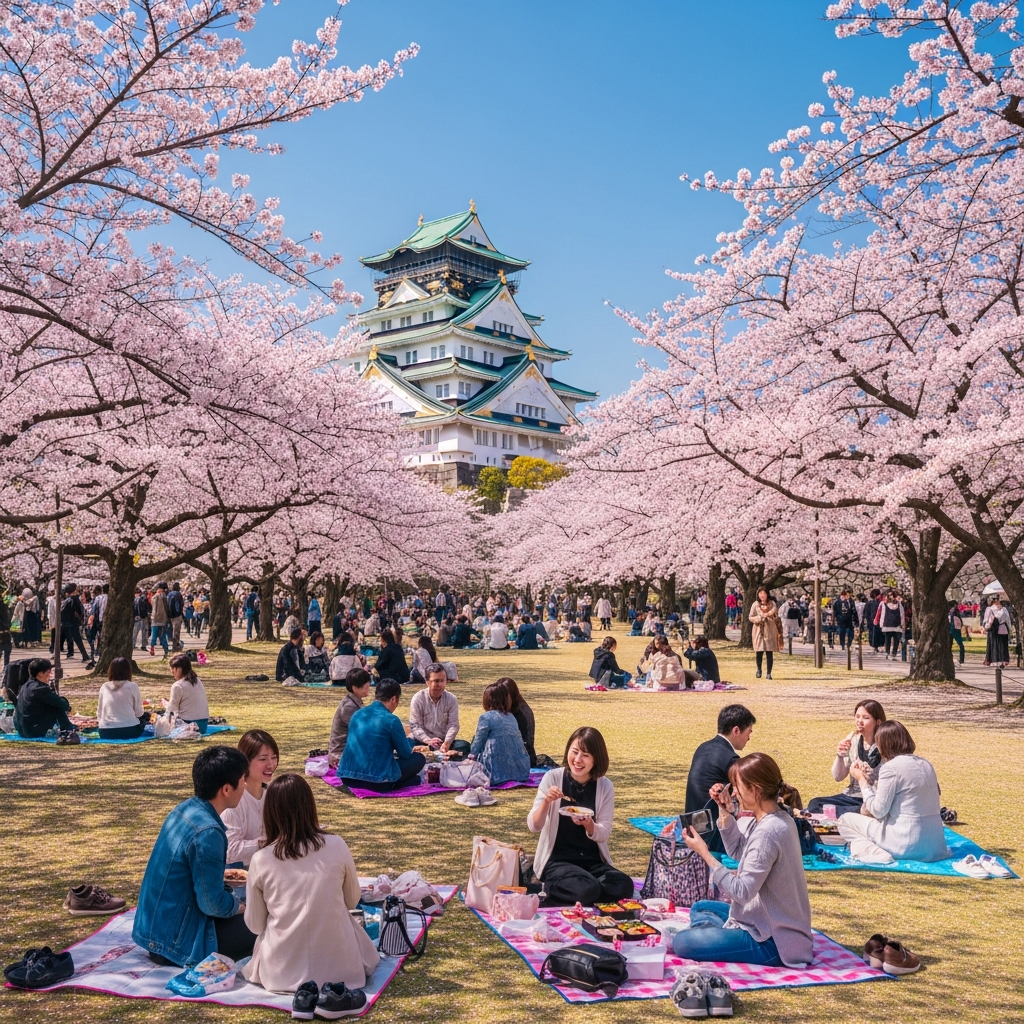
Spring in Osaka, from March to May, sees cooler winter temperatures transition into mild, often sunny days. This period is undeniably enchanting, especially with the arrival of the cherry blossoms (sakura). The first blooms can emerge as early as late March, with peak viewing typically occurring from the end of March through early April. When I visited during this time, the city transformed into a breathtaking canvas of pastel pink.
However, it’s crucial to acknowledge the trade-offs: spring is Osaka’s busiest and often most expensive tourist season. Securing accommodations and navigating larger crowds, particularly during hanami (cherry blossom viewing) events, requires patience and significant advance planning. I once found myself navigating surprisingly packed trains and popular parks, a small price to pay for the incredible scenery, but certainly something to prepare for.
For those determined to witness this spectacle, some prime locations in Osaka include:
Osaka Castle Park: Offers an iconic backdrop of the historic castle amidst hundreds of sakura. Nishinomaru Garden, boasting about 300 cherry trees, is especially popular. You can even see the official blooming date tree here. Consider visiting after sunset for an illuminated view of the castle and blossoms. Entry to Nishinomaru Garden is ¥350, while the park itself is free.
Kema Sakuranomiya Park: Stretching 4 kilometers along the Ogawa River, this park is lined with an impressive 4,500 cherry trees. It’s perfect for a traditional hanami picnic or a relaxing boat trip under the blooming canopy. Free to enter.
Osaka Mint Bureau: Uniquely, this government agency opens its garden for just one week each spring, showcasing over 300 late-blooming yae-zakura varieties. For the 2026 season, this window is projected from April 9-15, and advance reservations are mandatory, though admission is free.
Expo ’70 Commemorative Park: A vast green space featuring 5,500 cherry trees across nine varieties, including classic somei yoshino. Ample picnic spots and evening illuminations make it a favorite. Entry to certain sections of the park costs a few hundred yen.
Embracing Autumn’s Rich Hues (September – November)
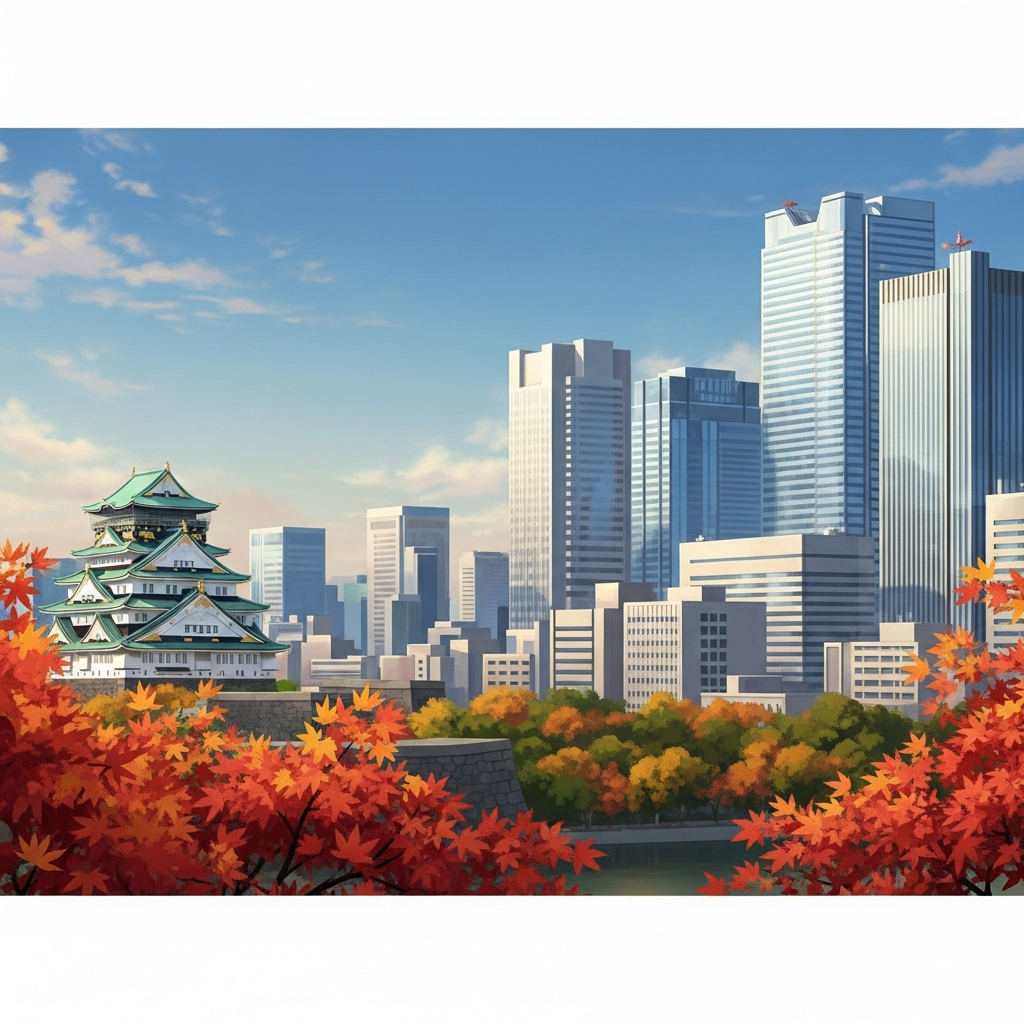
Along with spring, autumn is an ideal time to explore Osaka. Temperatures are comfortably warm in early fall, progressing to mild, crisp days as November approaches. The city truly shines as the leaves begin to change color, typically from late October through mid-November. The urban landscape becomes a beautiful tapestry of red, orange, and yellow hues. I vividly recall being captivated by the vivid scenes across the city on one of my November trips—it’s truly a photographer’s dream.
Compared to the intense crowds of cherry blossom season, autumn generally sees slightly fewer tourists, particularly if you visit in early October or late November. This often means better availability for accommodations and potentially more relaxed sightseeing experiences.
Beyond the Peak: Summer and Winter in Osaka
While spring and autumn are often cited as the premier times, Osaka remains a compelling destination during summer and winter, each with its own character and considerations.
Summer’s Heat and Festive Spirit (June – August)
Summer in Osaka brings considerable heat and humidity. The rainy season typically begins mid-June and lasts until late July, making it the wettest period. When I first visited Japan in July, I experienced firsthand the relentless humidity and frequent downpours; the oppressive stickiness wasn’t my favorite, though brief moments of sunshine did break through. This period also coincides with Japan’s typhoon season, which runs from May to October and peaks in August and September. Staying updated on weather reports is essential if you travel during these months.
Despite these challenges, summer is a popular tourist season, partly due to school holidays and major festivals elsewhere in Japan. If you’re accustomed to hot, humid climates, you might find some good travel deals and slightly fewer international crowds in August, especially outside of major holiday periods. This is also the season for vibrant summer festivals and enjoying Osaka’s energetic nightlife.
Winter’s Tranquil Allure (December – February)
Winter in Osaka offers a different kind of charm. Temperatures are cool, but rarely dip to the extreme sub-zero lows found further north. Snow is uncommon in Osaka, and winter is notably the driest season, often blessing the city with clear, sunny skies. Having lived in much colder climates, I find Osaka’s winters quite manageable and even pleasant for city exploration.
This is generally the slow season for tourism, making it an excellent time for budget-conscious travelers. You’ll likely find good deals on flights and accommodations and enjoy popular attractions with significantly fewer crowds. Just be mindful that amenities might be limited around Shogatsu (New Year’s) at the end of December.
Osaka Month by Month: A Detailed Outlook
Understanding the month-by-month specifics can help you fine-tune your travel plans. Here’s a breakdown of what to expect, along with average temperatures and rainfall.
| Month | Avg. Temp (°C/°F) | Low Temp (°C/°F) | High Temp (°C/°F) | Rainfall (mm) |
| :——– | :—————- | :————— | :—————- | :———— |
| January | 6 / 43 | 3 / 37 | 9 / 48 | 50 |
| February | 6 / 43 | 3 / 37 | 9 / 48 | 70 |
| March | 10 / 50 | 6 / 43 | 13 / 55 | 110 |
| April | 15 / 59 | 11 / 52 | 19 / 66 | 130 |
| May | 20 / 68 | 16 / 61 | 24 / 75 | 150 |
| June | 24 / 75 | 20 / 68 | 28 / 82 | 230 |
| July | 28 / 82 | 24 / 75 | 31 / 88 | 140 |
| August | 29 / 84 | 25 / 77 | 33 / 91 | 90 |
| September | 25 / 77 | 21 / 70 | 29 / 84 | 170 |
| October | 19 / 66 | 15 / 59 | 23 / 73 | 110 |
| November | 14 / 57 | 10 / 50 | 17 / 63 | 70 |
| December | 9 / 48 | 5 / 41 | 12 / 54 | 30 |
Month-by-Month Insights
January: Cool, dry, and often sunny. Snow is rare and doesn’t usually accumulate. This is a quiet month for tourism, great for experiencing local life without the crowds.
February: Continues with cool, dry weather. I’ve often found good deals on flights and accommodations this month, as it’s typically a slower period for tourism.
March: A transition month. Expect a mixed bag of warm days and chilly, rainy ones. Plum blossoms begin to appear mid-month, followed by the start of the cherry blossom season in late March.
April: Peak cherry blossom season and arguably Osaka’s most picturesque month. While busy, the warming temperatures and low rainfall make it incredibly enjoyable. Evenings can still be cool.
May: Beautiful spring days with comfortable warmth. While the cherry blossoms have faded, the city remains alive with other blooming flowers. Be wary of Golden Week at the beginning of the month; this national holiday period leads to extreme crowds and price hikes. I once booked a trip coinciding with it and immediately regretted the congestion and higher costs.
June: Early June can still be pleasant, with warm temperatures and manageable crowds. However, by mid-month, the humid rainy season typically begins, often affecting outdoor plans. Expect heavier rainfall later in the month.
July: Primarily hot, humid, and wet, with regular rainfall until late in the month. The atmosphere transforms into a hot and sticky experience by August. I generally advise avoiding this month if comfort is a high priority.
August: Uncomfortably hot and humid, although the main rainy season is over. This is the peak of typhoon season, so constant weather monitoring is a must. Despite the heat, I’ve noticed fewer international tourists and potential travel deals.
September: A transition month from sticky summer to pleasant autumn. Typhoons remain a possibility, but temperatures gradually cool, and rainfall decreases. Tourist numbers are relatively low, offering good value.
October: One of the best months to visit Osaka. Temperatures are warm and moderate, a welcome respite from summer’s intensity. Evenings are cool, and the first signs of fall foliage emerge towards the end of the month.
November: Osaka at its most beautiful with fall foliage in full swing, peaking mid-month. Temperatures are mild, similar to April but with less rain. It’s definitely my top recommendation alongside April for a truly memorable trip.
December: The start of winter brings mild to cool temperatures, gradually dipping. It’s one of Osaka’s driest months, offering plenty of clear skies. Crowds are small, though New Year’s (Shogatsu) can limit services late in the month.
Planning Your Osaka Adventure: Practical Tips
Thoughtful preparation can make all the difference, no matter when you choose to visit Osaka.
What to Pack by Season
Spring: Layers are essential. A warm softshell jacket for cooler mornings and evenings, plus a light rain jacket and umbrella, are useful.
Summer: Lightweight, breathable clothing like shorts or travel pants. Always carry a compact waterproof jacket for sudden downpours, even if the sky looks clear.
Autumn: Early autumn might still call for summer wear. As temperatures drop, a warm softshell jacket is advisable. A rain jacket is a good idea for September, which can be quite wet.
Winter: Warmer clothes are a must. A hard-shell jacket, winter hat, scarf, and gloves will keep you comfortable, especially for outdoor activities.
Navigating Crowds and Costs
Avoid Golden Week: As I learned from personal experience, the first week of May is a major Japanese holiday. Flights, hotels, and popular attractions will be extremely crowded and expensive. Plan around it if possible.
Book Ahead for Peak Seasons: If you plan to visit during cherry blossom season (late March-early April) or fall foliage season (mid-October-mid-November), secure your flights and accommodations well in advance. Prices will be higher, with hotels often exceeding $200 per night during spring.
- Consider Shoulder or Off-Season: Early June (before the worst of the rainy season) or the autumn shoulder season (September) can offer more moderate prices and fewer crowds. Winter, outside of ski resorts, is generally the slowest and most budget-friendly time for city exploration in Japan.
- talksox.com
- www.espn.com
- www.outsideonline.com
- www.traveltourister.com
- www.insidehook.com
Typhoon Season Vigilance
If traveling between May and October, especially in August and September, keep a close eye on weather reports. Typhoons can cause significant disruptions, including flight delays, train cancellations, and closures of attractions. Local weather apps and news are your best friends during this period.
Frequently Asked Questions
When is the absolute best time to experience cherry blossoms in Osaka?
The absolute best time to experience cherry blossoms in Osaka is typically from the end of March through the beginning of April. Based on forecasts, the initial flowering date can be as early as March 24th, with peak bloom usually following shortly after. While this period is incredibly popular and crowded, it offers the most spectacular display of pastel pink petals, especially around iconic spots like Osaka Castle Park and Kema Sakuranomiya Park. For late-blooming varieties, consider the Osaka Mint Bureau in mid-April (reservations required).
Is Osaka very crowded in summer, and what are the main downsides?
Yes, Osaka is generally quite crowded in summer, particularly due to school holidays. However, the biggest downsides are the intense heat, high humidity, and the rainy season which typically runs from mid-June to late July. I found July to be particularly challenging due to the oppressive stickiness and frequent downpours. Additionally, summer is peak typhoon season, especially in August and September, which can cause significant travel disruptions. While festivals are plentiful, the weather can make general sightseeing less enjoyable.
What are the main benefits of visiting Osaka in winter?
Visiting Osaka in winter (December to February) offers several distinct advantages, especially for budget-conscious travelers. It’s generally the slowest tourist season for cities like Osaka, meaning fewer crowds at attractions and better deals on flights and accommodations. The weather is cool but largely comfortable, with low rainfall and plenty of dry, sunny days. Snow is rare, making it easy to get around. This season also provides an excellent opportunity to savor local cuisine, such as seasonal seafood often considered best in winter, and to experience a quieter, more local side of the city.
Final Recommendations for Your Osaka Trip
Ultimately, the best time to visit Osaka depends on your personal travel priorities. If you dream of seeing the city adorned in natural splendor, April and November stand out as the top choices. April offers the breathtaking magic of cherry blossoms, coupled with warming temperatures and relatively low rainfall, though you’ll contend with significant crowds. November, on the other hand, presents equally stunning fall foliage and remarkably pleasant weather with minimal rain, often with slightly fewer tourists than spring.
Should these peak seasons not align with your schedule, early June or October can serve as fantastic alternatives. Early June still enjoys comfortable spring-like temperatures before the full onset of the rainy season, while October offers wonderful, moderate weather as autumn colors begin to emerge. Regardless of when you choose to go, Osaka’s unique blend of culinary delights, history, and modern charm promises a truly engaging Japanese adventure.