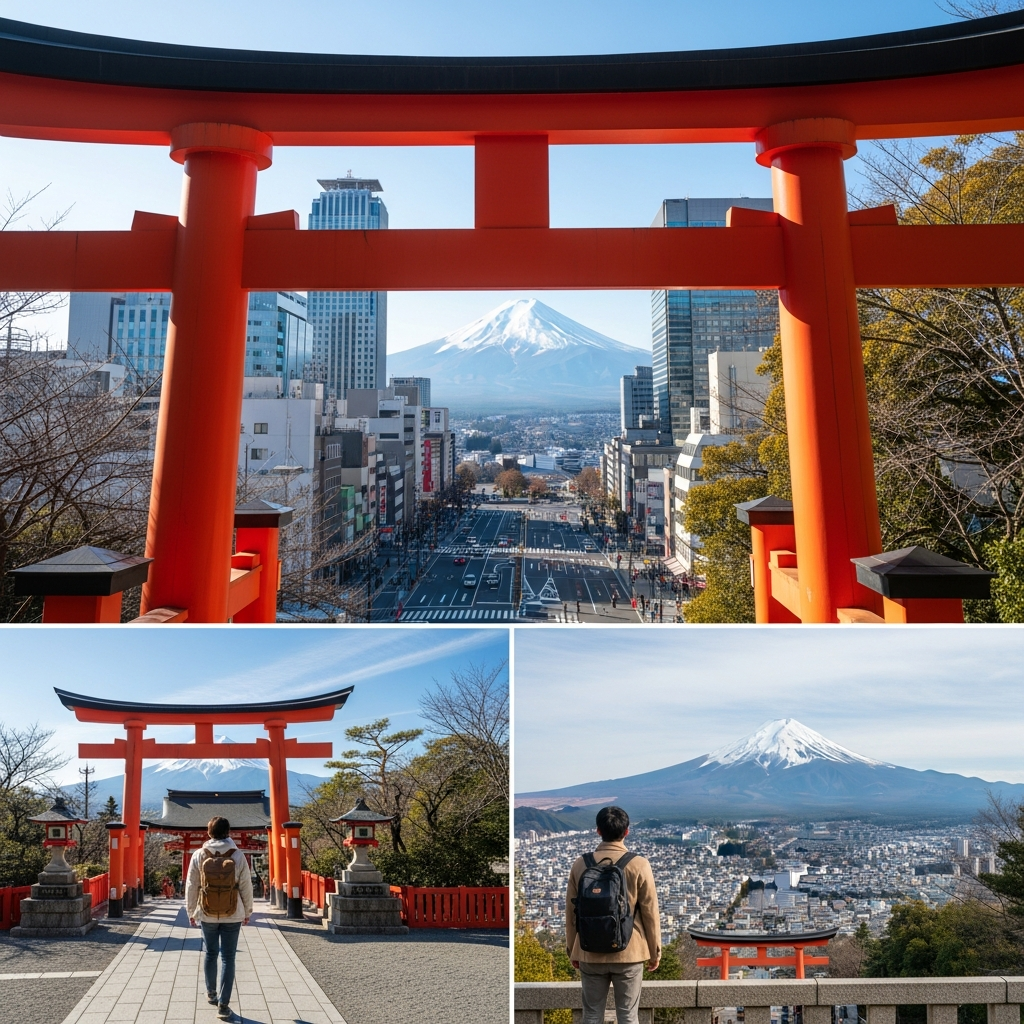

Your first trip to japan is an exhilarating adventure, but understanding common Japan travel mistakes can transform it from merely good to truly exceptional. Many eager travelers, myself included, have faced a learning curve in the Land of the Rising Sun. This guide distills practical wisdom for first-time Japan visitors, ensuring you maximize every moment, navigate confidently, and immerse yourself authentically in this incredible country.
Pack light and dress with cultural awareness for comfort.
Prioritize digital payment methods like a Suica or PASMO card.
Focus on practical Japanese phrases and utilize translator apps.
Plan key attractions diligently, but allow for culinary spontaneity.
Embrace the rural charm of less-visited areas to escape crowds.
Familiarize yourself with subtle etiquette rules to navigate gracefully.
Smart Packing for Japan: Ditch the Luggage Stress
One of the most frequent Japan travel mistakes I’ve witnessed, and personally experienced, involves packing. On my initial journey, I found myself grappling with a colossal suitcase. It quickly became an obstacle. Japan’s train stations, while incredibly efficient, often feature endless staircases and limited elevators. Beyond that, compact hotel rooms and capsule hostels offer minimal storage, often forcing oversized luggage into shared spaces or right into your path. Future me would definitely advise packing significantly lighter.
Lighten Your Load for Effortless Exploration
For a country where walking and public transport are primary modes of getting around, a carry-on sized bag is ideal. Think quality over quantity: durable, versatile items like wool or cotton that can be re-worn. My experience suggests that two pairs of shoes – comfortable walking shoes and perhaps a dressier option – are more than enough for a typical trip. This approach minimizes frustration and maximizes your ability to navigate bustling cities and serene countryside with ease.

Dressing for Cultural Comfort and Practicality
Another common oversight is wardrobe planning. While Japan is fashion-forward, local attire tends to be more conservative than some Western styles. Exposed shoulders or décolletage might feel out of place in certain settings, especially in temples or traditional areas. I quickly learned that packing clothing with sleeves and opting for modest necklines ensures you feel more comfortable and respectful of local customs. Additionally, consider Japan’s diverse climate; layering is essential for fluctuating temperatures, even within a single day. A good quality, lightweight waterproof jacket is a must, even outside the main rainy season.
Local clothing sizes also differ dramatically. As a US size 12, I discovered I was considered plus-size in Japan, making mainstream shopping a challenge. My advice for fellow travelers is to head directly to vintage or secondhand stores where you’ll have better luck finding unique pieces that fit, rather than wasting precious travel time in frustration. This also offers a fun cultural experience.
Navigating Japan: Language, Etiquette, and Digital Ease
While many Japanese people speak some English, especially in major tourist hubs like Tokyo or Kyoto, navigating without a basic grasp of the language can still be challenging. My pre-trip Duolingo streak, while commendable, proved insufficient for practical situations like ordering specific foods or asking for detailed directions. This highlights a crucial area where first-time Japan visitors can significantly improve their preparation.
Beyond Basic Phrases: Practical Language Skills
Focus on phrases essential for daily interactions: “Sumimasen” (excuse me/I’m sorry), “Okaikei onegaishimasu” (the bill, please), and key food-related terms. More importantly, embrace technology. A talk-to-text translator app like Speak & Translate was an absolute lifesaver for me, enabling clearer communication with hosts and shopkeepers. It bridged gaps where my rudimentary Japanese failed, making interactions smoother and more enjoyable. These apps can translate spoken sentences in real-time, making a world of difference.
Mastering Public Transport with Digital Convenience
One of my personal missteps involved delaying the acquisition of a Suica card. Initially, buying individual tickets for each train ride seemed manageable alone, but it quickly became a major inconvenience when traveling with others. My friend Anneta experienced similar frustrations with a physical PASMO card. A digital Suica or PASMO card, easily added to your Apple Wallet or Google Pay, truly transforms your travel experience. It’s not just for trains; these rechargeable cards work for buses, vending machines, and even convenience stores, making transactions seamless and saving precious time in transit stations. It’s accepted widely, from Hokkaido to Kyushu.
Understanding Cultural Nuances: Averting Faux Pas
Japanese culture is rich with unspoken rules, and even with prior research, some can catch you off guard. I vividly recall the embarrassment of blowing my nose in a restaurant, completely oblivious that it’s considered impolite in public spaces. This small incident underscored the importance of deeper cultural understanding. Remember the well-known norms: staying quiet on trains, not eating or drinking while walking (especially on city streets), and removing shoes indoors at homes, some restaurants, and temples. Also, know that tipping is not customary and can even be seen as rude. Being mindful of these nuances demonstrates respect and significantly enhances your overall experience.
Unlocking Authentic Experiences: Planning, Dining & Connecting
My first trip taught me that while spontaneity has its place, some aspects of Japanese travel demand meticulous planning to avoid disappointment. Conversely, rigid culinary plans can sometimes prevent the most delightful discoveries.
Strategic Planning for Must-See Attractions
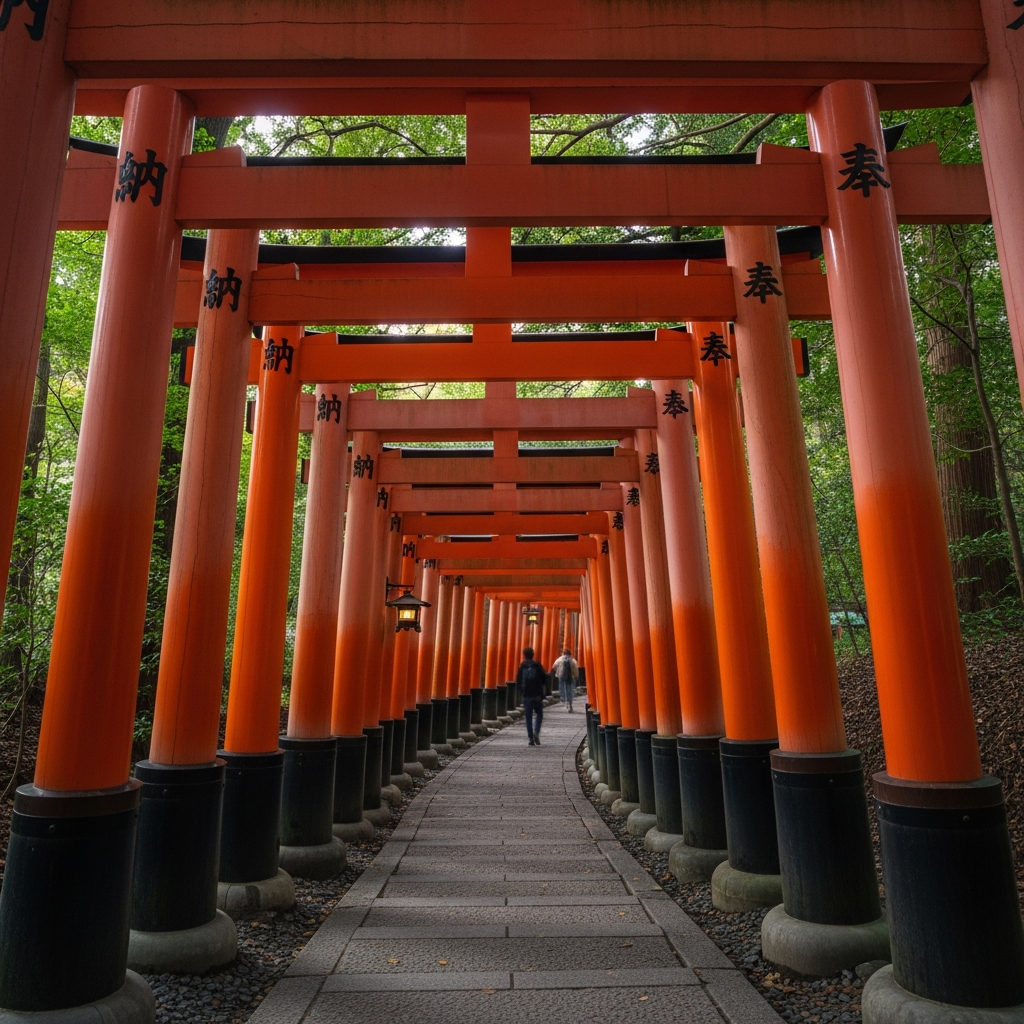
Failing to plan crucial attraction visits resulted in me missing out on parts of teamLab Borderless and regretting not splurging on the Ghibli Museum or Ghibli Park. Popular spots often require advance booking, sometimes months ahead, and can sell out quickly. My advice is to identify your absolute must-sees and book them as soon as your travel dates are firm. For popular spots like Fushimi Inari Shrine in Kyoto, consider visiting at 7 a.m. to avoid overwhelming crowds, a tip I wish I’d known sooner. You’ll find a much more serene experience.
Embracing Spontaneity in Dining & Culinary Splurges
While I was proud of my $10 meals, I later regretted not indulging in Japan’s world-renowned fine dining. With a favorable exchange rate, missing out on some of the globe’s second-highest concentration of Michelin-starred restaurants felt like a missed opportunity. My friend Anneta, a food writer, initially stressed over reservations but found that embracing Google Maps and local recommendations for spontaneous meals often led to the most cherished culinary experiences. My own discovery is that Japan’s culinary landscape offers both delicious budget eats and unforgettable high-end experiences; a balanced approach, perhaps a mix of street food and one or two splurges, is key.
Connecting in Japan: Hostels & Beyond
If you’re accustomed to the highly social environments of many Western hostels, you might find Japanese hostels different. Many are capsule-style and often lack common areas or a design conducive to extensive socializing. In hindsight, this aligns with Japan’s cultural inclination toward solitude. I primarily connected with people through a local friend, social media, mutual acquaintances, and chance encounters. If meeting other travelers is a priority, consider researching hostels with explicitly active common spaces or looking into local meet-up groups. Don’t expect boisterous common rooms everywhere.
Beyond the Golden Route: Discovering Deeper Japan
Sticking solely to the popular “golden route” (Tokyo, Kyoto, Osaka) is another common Japan travel mistake. While these cities are incredible, they can feel overwhelmingly crowded, diminishing the sense of discovery and sometimes leading to issues like over-tourism that strain local resources. In 2023, Kyoto alone saw 10.88 million visitors, prompting a 900% hike in its tourist tax. My initial hesitation to venture further stemmed from concerns about the language barrier in less touristy areas.
Escaping the Crowds: Rural Charm and Local Life
However, my shorter trips to smaller cities like Uji (Kyoto’s matcha capital) and Kanazawa proved to be quieter, more authentic, and ultimately more memorable. These areas offered a deeper insight into Japanese daily life, often with stunning natural beauty or historical sites that felt less commercialized. As one expert, “Tokyo Halfie,” notes, Japan is full of “deliberate contrasts,” from Tokyo’s neon glow to hinoki-scented onsens in tranquil settings. Regions like Hokkaido, Tohoku, the Japanese Alps, Setouchi, and Kyushu each offer unique appeals beyond the usual hotspots.
For a truly immersive experience and a feeling of deep relaxation, or “hokkori” as the Japanese say, consider destinations like Gifu Prefecture in central Japan. A mere two-hour Shinkansen ride from Tokyo, Gifu attracts only 3.1% of foreign visitors, a stark contrast to Tokyo’s 50%. This region boasts rich traditions in pottery, washi paper, and sake, and is a beloved road trip destination for Japanese locals. You can explore Mino for indigo dyeing and traditional washi paper making, or visit Takayama, described as a “less touristy Kyoto” with preserved Edo period buildings and exceptional Hida beef. Gujo, a charming castle town, offers private onsen experiences and its picturesque river. These destinations provide a welcome escape from the intense pace of major cities and a chance to connect with Japan’s quieter soul.
Choosing Your Ryokan Wisely
Booking a traditional Japanese inn, or ryokan, is a quintessential experience. However, a significant error for first-time visitors can be misjudging its location. My friend Anneta booked a ryokan in Shima Onsen, only to realize the journey from Kyoto required a substantial, time-consuming detour. While the experience was cherished, on a shorter trip, it’s wise to select a ryokan conveniently located near or between your primary destinations to minimize travel time and maximize relaxation. Consider regions like the Japanese Alps or Tohoku for serene ryokan experiences, keeping travel logistics in mind.
Frequently Asked Questions
Is it hard to get around Japan without knowing Japanese?
While knowing some basic Japanese phrases like “hello” (konnichiwa) and “thank you” (arigato gozaimasu) is definitely helpful, it’s not impossible to get around Japan without extensive language skills. Major cities have English signage, and most train stations offer English options. However, for deeper interactions or venturing into rural areas, a talk-to-text translator app is highly recommended and can significantly improve your experience. Patience and polite gestures go a long way, and many locals are eager to help.
What’s the best way to pay for public transport in Japan?
The most convenient way to pay for public transport across Japan is by using a digital Suica or PASMO card. These rechargeable cards can be added to your smartphone’s wallet (Apple Wallet, Google Pay) and are accepted on most trains, buses, and even for purchases at convenience stores and vending machines. This eliminates the need to buy individual tickets for each ride, saving you time and hassle, especially when traveling with others. It’s a seamless and efficient system.
Should I pack light for my trip to Japan?
Absolutely, packing light is one of the most crucial pieces of advice for Japan. With compact hotel rooms, capsule hostels offering minimal space, and multi-level train stations often requiring stair navigation, a large, bulky suitcase will prove cumbersome. Opt for a carry-on sized bag and prioritize versatile, layered clothing. This approach allows for much easier movement and reduces stress during your travels, significantly enhancing your overall experience in Japan.
Conclusion
Japan offers an unparalleled travel experience, but avoiding these common Japan travel mistakes can elevate your journey to truly unforgettable heights. From smart packing and cultural sensitivity to strategic planning and embracing local insights and less-traveled regions like Gifu, each tip is designed to help you navigate this magnificent country with confidence and joy. My hope is that by learning from shared experiences, including my own missteps, your first trip to Japan will be as smooth, enriching, and deeply authentic as possible. Start planning now, and prepare for an extraordinary adventure!