
France, a timeless allure for global explorers, is undergoing a profound transformation in its tourism landscape. The era of generic, one-size-fits-all tours is yielding to a dynamic new frontier: bespoke niche experiences led by passionate, highly knowledgeable guides. This shift is not merely a trend; it’s a structural realignment, mirroring how specialized expertise now drives value in complex markets, moving beyond commoditized offerings towards unique, “alpha-generating” opportunities. For visitors, it promises unparalleled authenticity and deeper cultural immersion. For independent professionals, it unlocks exciting new avenues, reshaping the future of French travel.
The Deep Dive: Craving Authentic French Experiences
Modern travelers yearn for more than just sightseeing. They seek genuine connection and immersive cultural experiences. This evolving preference for personalized journeys has ignited a fervent demand for niche tours across France. From exploring Bordeaux’s vibrant LGBTQ+ heritage to uncovering Paris’s often-untold Black history, these specialist offerings move far beyond conventional itineraries. They cater to very specific interests, transforming a mere visit into a profound exploration.
This phenomenon echoes successful models seen elsewhere, such as Ireland. There, boutique tour operators thrive by curating small-group, tailor-made holidays. As Paul Keeley, Fáilte Ireland’s director of regional development, aptly notes, these services attract “culturally curious travellers seeking authentic, off-the-beaten-path experiences.” Visitors actively desire to meet local producers, savor craft delicacies, and delve into the soul of a destination, rather than simply ticking off landmarks.
Pioneering the Path: France’s Elite Niche Guides
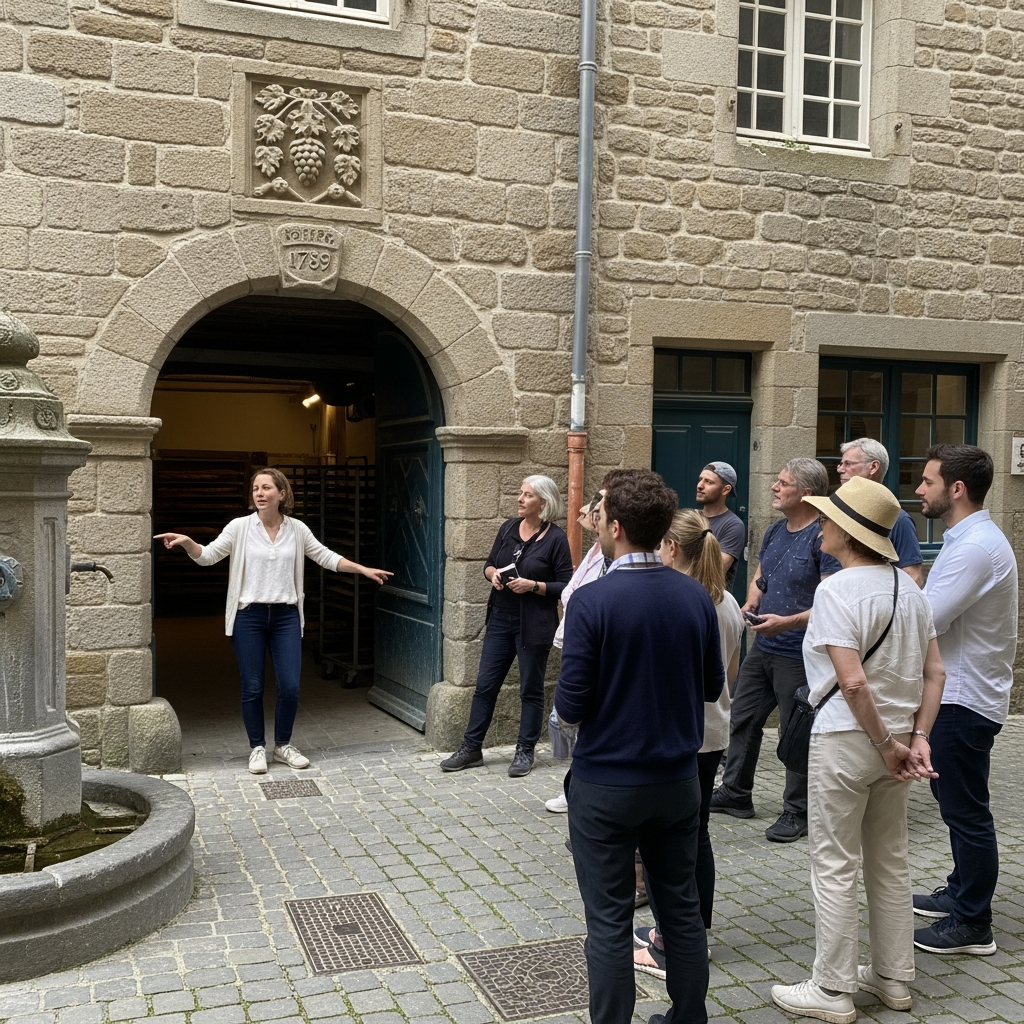
Across France, dedicated professionals are leading this specialized charge. Consider Jennifer Hollington, a Franco-Briton whose career pivoted from the corporate world of Hermès. She became an accredited guide-conférencière. Her unexpected journey, sparked by guiding exhibitions for Chaumet, swiftly blossomed into a successful side business. She now caters to US clients through prestigious companies like Paris Muse. Her story perfectly illustrates how specific expertise, paired with a deep passion for art history, can carve out a thriving niche.
Similarly, Franco-American Jamie Doughty discovered a significant unmet need in Bordeaux. He found high demand for native English-speaking guides with a robust grasp of local history. While maintaining his teaching career, Doughty now supplements his income with tours priced between €145 and €340. His clientele, often cruise ship passengers, desires a “light” yet profound immersion. They want to feel deeply connected without stepping too far outside their comfort zone. Doughty’s unique tours explore facets like Bordeaux’s LGBT history. This demonstrates how specialized knowledge attracts a loyal and dedicated clientele.
The Guide-Conférencier Advantage: Accreditation and Trust
To ensure quality and expertise, the profession of guide-conférencier (accredited tour guide) is strictly regulated in France. To legally conduct guided tours within state museums and historic monuments like Versailles, Notre-Dame, or the Louvre, guides must possess an official guide-conférencier card. This typically requires a specific French degree and master’s course. However, extensive professional experience can also serve as a pathway, as was the case for Ms. Hollington.
While it is technically possible to offer tours without this official accreditation, both Hollington and Doughty strongly emphasize its significant, structural advantages:
Enhanced Trustworthiness: The card signifies a verified level of expertise and uncompromising professionalism, building immediate confidence with clients.
Unrestricted Access: It grants legal access to iconic national monuments. These sites are often “must-see” items on virtually every tourist itinerary, providing an edge unaccredited guides lack.
- Market Opportunities: Accreditation opens doors to partnerships with prestigious tour providers. These partners, like Paris Muse, demand the highest standards, as Ms. Hollington experienced. This acts as a “barrier to entry,” securing a valuable position for accredited professionals.
- www.invesco.com
The 2016 regulation limiting monument tours to accredited guides aimed to curb the proliferation of ‘free’ or unlicensed tours. These unaccredited guides often lack the requisite knowledge or language skills. While unaccredited tours persist on platforms like Guru Walks and Get Your Guide, typically operating in public spaces or forecourts and relying solely on tips, the distinction in quality, access, and professional standing remains stark.
Navigating the Freelance Frontier and Digital Platforms
The rise of niche tours has created a booming marketplace for freelance guides. Jamie Doughty, for example, notes almost “too much work” for English-language guides in the vibrant Bordeaux region. This flexibility is highly appealing, allowing guides to supplement income or build full-time businesses centered around their passions.
However, the digital landscape presents both expansive opportunities and distinct challenges. Online marketplaces specializing in tours frequently approach professional guides with work offers. Polly Kenion, a Franco-British guide in Normandy with over two decades of experience and an accredited card since 2015, observes the escalating volume of such proposals. While these platforms offer access to vast customer databases, they often demand commissions of 20-30%. Ms. Kenion has consistently refused these terms, firmly asserting the value and expertise of her services. She also highlights the unfair competition posed by unaccredited guides who “just want to make some extra money,” contrasting their impromptu approach with the rigorous training and unwavering commitment of genuine professionals.
Sustaining Success: Overcoming Challenges with Passion
Despite this exciting growth, niche tour operators confront several persistent hurdles. Rising fuel and accommodation costs are ongoing operational concerns. Practical issues, such as business closures on certain weekdays and parking difficulties in crowded cities, add further complexity. Moreover, broader economic impacts loom. An economic recession in key markets like the US, where many tourists fund trips from stock equity, could significantly dampen tourism spending, as observed by an Irish tour operator.
For guides themselves, the journey requires far more than just deep knowledge. As Polly Kenion powerfully asserts, “You have to be a people person.” Passion, unwavering commitment, and a genuine desire to share knowledge are the great equalizers for achieving long-term success. Jamie Doughty adds, “As long as you’re well-trained, respect colleagues and do not create problems, you are welcome.” Ultimately, success is measured by creating unforgettable moments. Jennifer Hollington beautifully encapsulates this: “When I see people crying in front of a painting, I tell myself I must have done a good job.” These profound personal connections are what truly elevate a tour from a mere sightseeing trip to a profound, memorable cultural immersion.
Smart Travel: Essential Tips for Your French Journey
While exploring France with a knowledgeable guide is invaluable, being aware of local nuances significantly enhances your trip. For instance, remain generally vigilant and secure your belongings, especially in bustling tourist areas. Be mindful of your surroundings at all times. Although primarily targeting unoccupied homes, recent reports in departments like Ariège have highlighted the ‘toothpick trick’ used by burglars to identify vacant properties. Thieves insert toothpicks into locks or door frames; if undisturbed later, it signals a vacant residence. This serves as a reminder for general awareness. Travelers should always secure their possessions, be alert, and report any suspicious activity to local authorities, ensuring a safe and enjoyable journey.
Frequently Asked Questions
What is a guide-conférencier and why is it important for touring France?
A guide-conférencier is an officially accredited tour guide in France, holding a specific card that signifies a high level of expertise. This expertise is typically gained through a specialized French degree, a master’s course, or extensive professional experience. This accreditation is crucial because it grants legal access to guide tours within state museums and historic monuments like the Louvre or Versailles. For visitors, choosing an accredited guide ensures a trustworthy, knowledgeable, and professionally sanctioned experience, often providing deeper insights and unrestricted access to France’s most iconic sites that unaccredited guides cannot offer.
How can I find an authentic niche tour experience in France that suits my interests?
To find an authentic niche tour in France, begin by precisely defining your specific interests, whether it’s LGBTQ+ history in Bordeaux, specialized art and architecture in Paris, or a unique culinary journey in Normandy. Explore specialist tour provider websites, which often focus on small-group or private experiences, rather than just large generic platforms. Look for guides with specific accreditations like the guide-conférencier card, as highlighted by Jennifer Hollington and Jamie Doughty, for assured expertise and access. Reading reviews and seeking recommendations from reputable travel forums can also lead you to highly specialized and passionate independent guides who offer truly unique and immersive experiences.
What are the key differences between accredited and unaccredited tour guides in France?
The primary difference lies in legal access and professional recognition. An accredited guide-conférencier holds an official card, allowing them to legally conduct tours inside state museums and historic monuments like Notre-Dame or Le Louvre. This certification guarantees a certain level of training and expertise, acting as a quality assurance. Unaccredited guides, while potentially passionate, are restricted to leading tours in public streets or forecourts and cannot enter these major national sites to guide. As Polly Kenion notes, accredited guides are “real professionals with degrees,” offering a “richer and more authentic experience” compared to others who “improvise from one day to the next,” often working solely for tips through online platforms.
Discover Your Own French Adventure
The landscape of French tourism is continually evolving, embracing specificity, authenticity, and profound personal connection. The rise of niche tours and expert, accredited guides offers an unparalleled opportunity for discerning travelers. You can now delve deeper into the heart of France, discovering stories and experiences far beyond the typical postcard views. If you’re planning your next French adventure, consider seeking out one of these passionate professionals to unlock a truly unique and memorable journey, one that offers a genuine “alpha” experience in the world of travel.