
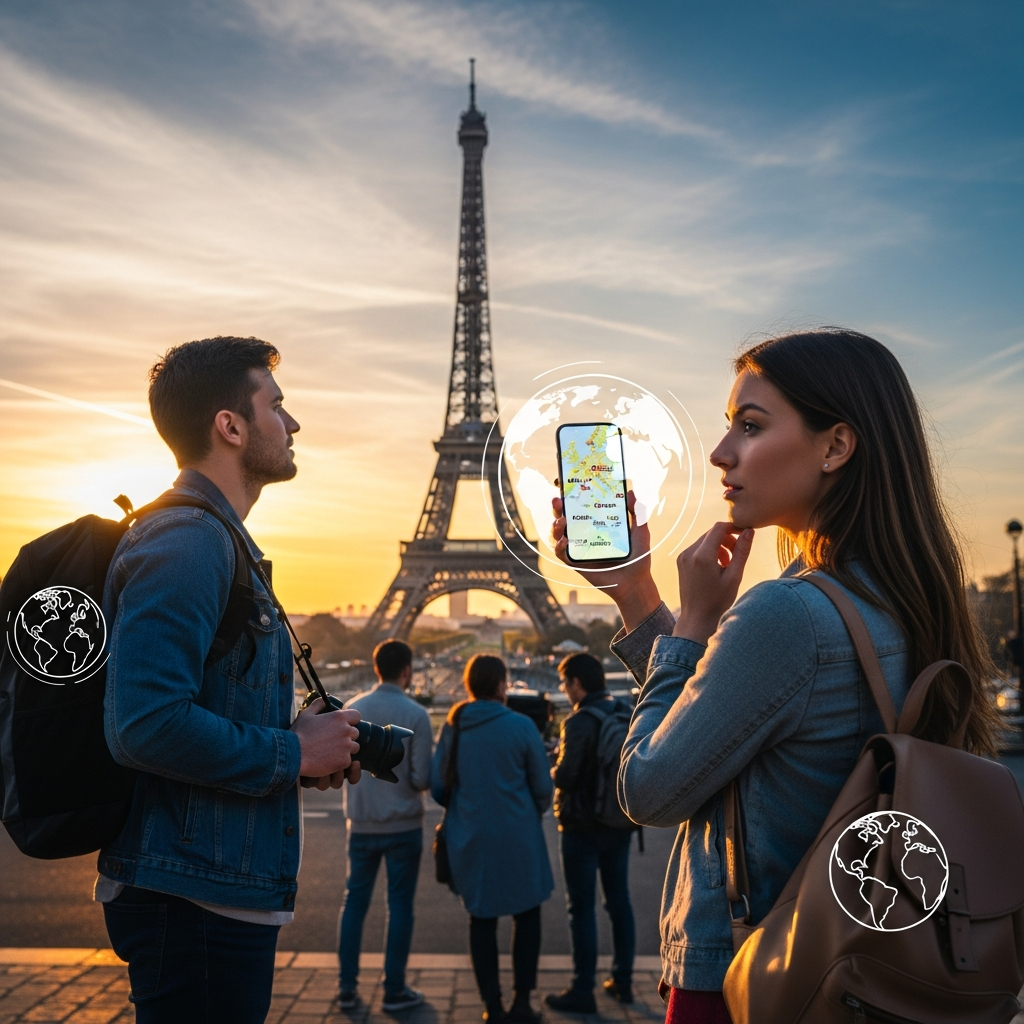

The 2026 Spring Break season is painting a compelling picture: an extraordinary surge in US tourism to Europe, driven by cultural appeal and seamless access, yet shadowed by escalating geopolitical tensions, particularly from Iran. This guide delves into the robust demand for US Spring Break Europe 2026, the strategic shifts travelers are making, and how global events are reshaping the pursuit of unforgettable experiences. It’s a delicate balance between vibrant travel dreams and an informed approach to safety and value.
Europe’s Enduring Allure: US Spring Break 2026 Surge
American travelers are flocking to Europe for Spring Break 2026 in unprecedented numbers. Flights are full, hotels are bustling, and popular destinations are reporting record demand. This robust interest fuels significant tourism growth, positioning Europe as a premier choice for US travelers seeking a rich tapestry of culture, history, and adventure. A major facilitator of this boom is the widespread visa-free Europe for US citizens, streamlining travel plans and encouraging longer, multi-country explorations.
Key Destinations & The Rise of Value Travel
France, the United Kingdom, Germany, Italy, and the Netherlands remain at the forefront of this European tourism revival. France, as the world’s most visited country, continues to draw millions to Paris’s iconic landmarks and luxury shopping. Italy’s cultural richness, spanning Rome, Venice, and Florence, offers immersive historical and culinary journeys, often promoting ‘slow travel’ itineraries.
Spain is rapidly cementing its status as a hotspot, attracting younger visitors and digital nomads with competitive pricing and vibrant cities like Barcelona and Madrid. Its stunning beach destinations, such as Ibiza and Mallorca, also boost its appeal. The UK, particularly London, benefits from cultural familiarity and strong language connections, drawing leisure and business travelers alike. Germany and the Netherlands experience steady growth, offering a blend of historic sites in Berlin and unique canal culture in Amsterdam. Greece is seeing a fast rise, with islands like Santorini and Mykonos becoming prime summer and cruise destinations. Emerging markets, including Poland and Sweden, are also gaining traction, offering new cultural and sustainable tourism options.
Interestingly, March 2026 is emerging as a strategic window for cost-conscious travelers. Industry analysts note that moderate seasonal demand during this month allows airlines and hotels to offer significant discounts. This trend contributes to Europe’s appeal, enabling travelers to secure better value for international experiences. Early planning and flexible dates, as highlighted by expert analysis, are crucial for accessing these attractive offers, making budget travel 2026 a key consideration for many.
The Visa-Free Catalyst & Seamless Schengen
The cornerstone of this Europe tourism boom is the widespread visa-free access for US passport holders. Americans can traverse most of Europe’s Schengen Area without the complexities of visa applications for short stays. This convenience significantly reduces friction, simplifies travel flows, and promotes ambitious multi-country itineraries. The Schengen system allows for a single entry point, granting access to numerous destinations, thereby enhancing flexibility and boosting tourism spending across the continent. This ease of movement further enhances Europe’s reputation as an accessible and highly desirable region for global exploration.
Beneath the Surface: Geopolitical Tensions and Travel Safety
Despite the vibrant tourism landscape, Iran’s explicit threat to target tourist locations has introduced a significant layer of concern. This growing risk compels both travelers and the industry to consider travel safety as a critical factor. The warning from Iran, explicitly mentioning beaches, parks, and public attractions, has generated widespread anxiety and impacted perception during peak Spring Break travel.
Iran’s Assertive Stance & Missile Reach
Iran possesses one of the Middle East’s largest missile stockpiles, with an estimated arsenal of 1,500 to over 3,000 ballistic and cruise missiles. While Iran currently lacks intercontinental ballistic missiles (ICBMs) capable of reaching the US mainland, its operational range extends significantly across the Middle East and into parts of Europe. Most medium-range systems can travel 1,000 to 2,000 kilometers, effectively targeting:
Key Gulf States: Saudi Arabia, UAE, Qatar, Bahrain, Kuwait
Israel
Turkey
Parts of North Africa and South Asia
More advanced systems are indicated to reach 2,500 to 3,000 kilometers, theoretically placing iconic global attractions from the Taj Mahal to the Pyramids, and even parts of Greece and Bulgaria, within a perceived radius of concern. This Iran missile range tourism impact reshapes travel perception, particularly for destinations within the Middle East like Dubai, Abu Dhabi, and Petra, which are well within 1,500 kilometers. Travelers are increasingly assessing Middle East travel safety with greater scrutiny.
Strait of Hormuz: Global Implications
The broader geopolitical context further intensifies these concerns. Recent events, including Israel’s strike on Iran’s South Pars gas field and Iran’s retaliatory targeting of Qatar’s Ras Laffan LNG hub, have severely impacted global energy markets. European natural gas prices jumped by 60% since the conflict began, highlighting the global ramifications of regional instability.
An international coalition of nations, including the UK, France, Germany, Italy, the Netherlands, and Japan, has strongly condemned Iran’s actions in the Strait of Hormuz. Their joint statement cited “attacks on unarmed commercial vessels” and “the de facto closure of the Strait,” calling for Iran to immediately cease threats and respect the freedom of navigation under international law. While expressing readiness “to contribute to appropriate efforts to ensure safe passage,” several European leaders have voiced reluctance for direct military intervention, deeming it “too risky.” The EU’s cautious approach underscores a complex balancing act between protecting economic interests and avoiding further escalation. To mitigate economic impact, the International Energy Agency (IEA) has authorized a coordinated release of strategic petroleum reserves.
Adapting to a New Era: Traveler Resilience and Industry Shifts
The travel industry and tourists are actively adapting to this evolving global risk landscape. While overall demand for Europe travel remains robust, there is a discernible shift in traveler behavior, marked by a heightened focus on safety, stability, and value.
Smarter Travel: Prioritizing Value, Safety, and Flexibility
US tourists are becoming increasingly discerning, prioritizing perceived secure destinations. Europe, despite the geopolitical undercurrents, largely benefits from its perception as a stable and safe region. Travelers are now more informed, closely monitoring global news and strategically adjusting their itineraries. This rise in travel awareness 2026 means that while cancellations remain limited, planning now involves a deeper consideration of potential risks. Demand for comprehensive travel insurance is also rising, reflecting this cautious approach. The shift towards “smarter” travel also means leveraging the widespread airline and hotel discounts available in early 2026, especially for mid-week and off-peak departures, to secure better deals and higher-quality experiences.
Navigating Airspace, Costs, and Discounts
Global travel and airline operations are already experiencing disruptions. Rising geopolitical tensions contribute to airspace restrictions, flight rerouting, delays, and increased fuel costs, which inevitably translate to higher airfares. Airlines face operational challenges, yet passenger demand remains high, creating a complex environment where efficiency is affected, but the desire to travel persists. The industry is continuously adapting to these changing conditions, demonstrating remarkable resilience by introducing flexible booking options and promotions to maintain occupancy before peak summer seasons. This includes competitive pricing on long-distance routes, making international holidays more budget-friendly for those who plan strategically.
Beyond the West: Asia’s Growing Appeal for US Travelers
While Europe continues to dominate US travel decisions in 2026, Asia is rapidly gaining traction as a significant alternative, particularly for those seeking diverse experiences and exceptional value.
Japan: Culture, Value, and Strategic Connectivity
Japan stands out as a top Asian destination for US tourists in 2026. Its visa-free access simplifies entry, while its rich cultural tourism, blending ancient traditions with cutting-edge technology, is a major draw. Cities like Tokyo, Kyoto, and Osaka, alongside vibrant food scenes and the yen’s favorable exchange rate, contribute to its growing popularity. Japan’s reputation for safety and efficient infrastructure further enhances its appeal. This strategic importance is also mirrored in broader regional connectivity, as evidenced by China’s Xinjiang region recording 4.435 million traveler entries and exits in 2025, showcasing increasing rail and air links to Central Asia and Europe, making the Eurasian corridor increasingly accessible for travelers.
Southeast Asia & China: Emerging Hubs of Exploration
Southeast Asia, led by Thailand, Singapore, and Indonesia (especially Bali), offers a compelling mix of affordability, luxury, and cultural richness. Thailand provides excellent value with accessible luxury, vibrant cities like Bangkok, and stunning natural beauty. Singapore, a high-end city-state, serves as both a destination and a strategic transit hub with world-class infrastructure and high safety standards. Bali, Indonesia, continues to attract with its beaches, unique culture, and affordability, drawing both luxury travelers and digital nomads. Visa-free or visa-on-arrival policies across these nations significantly ease travel, making them increasingly popular for US tourists seeking diverse Asian experiences.
Furthermore, regions like the Hainan Free Trade Port in China experienced a record-breaking tourism boom during the 2026 Spring Festival. Its “Hainan Model,” combining freer trade management, optimized entry policies, and expanded visa-free access for 86 countries, is transforming it into a seamless environment for leisure and high-end retail. This demonstrates a broader trend across Asia of enhancing accessibility and offering unique cultural and shopping experiences, positioning it as a vibrant global hub for commerce, exploration, and connection.
The Interplay: Economics, Diplomacy, and Modern Travel
The current global scenario highlights a dual reality: booming tourism coexisting with intensifying political challenges. European nations find themselves balancing strong economic gains from tourism with firm geopolitical stances, while the travel industry innovates to meet evolving traveler demands.
European Nations: Balancing Interests
Countries like France, the UK, Germany, and Italy, while major tourist magnets, are also active players in global politics. They largely align with EU and US policy, opposing Iran’s missile program, supporting sanctions, and engaging in diplomatic pressure. Despite their firm political positions, their tourism sectors have, so far, remained largely unaffected. This demonstrates Europe’s ability to maintain accessibility and appeal even amidst complex diplomatic engagements. The UK, particularly London, also reinforces its global hub status, leveraging historic trading roots, a cutting-edge technology sector, and a commitment to sustainability, all of which indirectly bolster its appeal as a robust and connected travel destination.
A Global Landscape of Informed Opportunity
The year 2026 is characterized by high mobility and strategic travel choices. US tourists are traveling more, but also smarter, prioritizing ease of access, safety, and unique experiences. The world remains open, but the narrative of travel is no longer solely about destinations; it’s increasingly about distance, risk perception, and awareness. Global travel trends, including the significant investment in luxury river cruises like Uniworld’s 2027 “Super Ship” fleet on the Danube, indicate a preference for longer, more immersive, and high-value experiences. This trend reflects a delicate balance between expanding opportunities and the need for heightened precaution, shaping the future of tourism worldwide.
Frequently Asked Questions
How are global discounts and strategic planning shaping US Spring Break travel to Europe in 2026?
Global discounts, particularly widespread airline and hotel promotions during March 2026, are significantly shaping US Spring Break Europe 2026 travel. These budget-friendly options, driven by moderate seasonal demand, encourage strategic planning by travelers. By booking early, searching flexible dates, and choosing mid-week or off-peak flights, US tourists can secure substantially lower prices and access higher-quality accommodation. This focus on value allows travelers to prioritize longer stays and more immersive experiences, like extended river cruises, without incurring peak-season expenses, thus making Europe even more accessible despite other rising costs.
Which Asian destinations are emerging as strong alternatives for US travelers in 2026, and what makes them attractive?
Japan, Thailand, Singapore, Indonesia (especially Bali), and China’s Hainan Free Trade Port are emerging as strong alternatives for US travelers in 2026. Japan is highly attractive due to its visa-free access, rich culture, favorable yen exchange rate, and reputation for safety. Southeast Asian nations offer affordability, luxury, and diverse experiences with easy visa policies. Hainan stands out for its unique “Hainan Model,” providing a seamless environment for leisure and luxury duty-free shopping, coupled with expanded visa-free access for many countries. These destinations offer diverse experiences and often provide excellent value, appealing to travelers seeking alternatives to Europe or looking to extend their global explorations.
Given the geopolitical landscape, what are the key considerations for US travelers planning trips to Europe or the Middle East in 2026?
Given the geopolitical landscape and Iran threat tourism impact, key considerations for US travelers in 2026 include prioritizing travel safety 2026 and staying informed. While Europe generally maintains a perception of stability and robust infrastructure, travelers should monitor official travel advisories, stay updated on global news, and consider comprehensive travel insurance. For the Middle East, popular hubs like Dubai often have robust security, but understanding Iran missile range tourism impact and proximity remains important. Ultimately, individual decisions should balance the allure of destinations with personal comfort levels regarding evolving global developments and perceived risks.
Conclusion
The 2026 travel season presents a compelling narrative of contrast: a resurgent US Spring Break travel Europe 2026 market thriving on visa-free access, strategic value, and robust demand, set against the backdrop of escalating geopolitical tensions. While external threats introduce uncertainty and impact perception, the resilience and adaptability of both travelers and the tourism industry remain evident. Europe continues to lead as a top choice, with Asia rising as a strong contender, demonstrating that the world remains open for exploration and increasingly focused on value. However, the future of global tourism will increasingly be defined by a careful balance between seizing opportunities, embracing strategic booking for better deals, and proactively managing evolving global risks. Staying informed and prioritizing safety are paramount for navigating this dynamic and exciting landscape.”,
“imagegenerationprompt”: “A vibrant, dynamic image capturing the essence of US Spring Break in Europe, with iconic European landmarks like the Eiffel Tower or Colosseum in the background. In the foreground, subtle elements hint at global awareness and security concerns: a stylized globe icon, a person looking at a smartphone displaying news headlines or a map. The overall mood should be adventurous and hopeful, but with a touch of thoughtfulness. Use a modern, slightly cinematic style with bright colors contrasting with deeper tones