
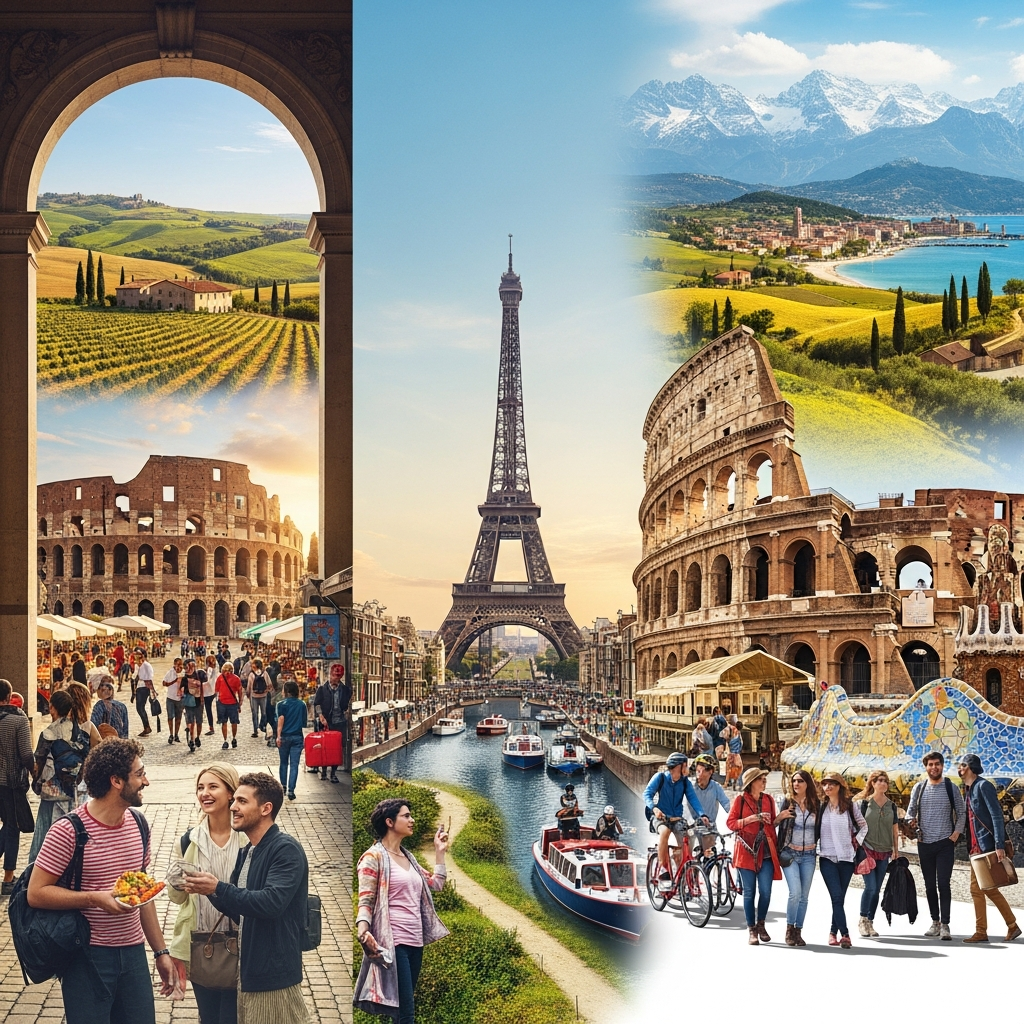

The European Union’s tourism sector is experiencing an unprecedented surge, marking a significant milestone with accommodation nights surpassing the three-billion mark for the first time. This remarkable recovery, driven by both established powerhouses and emerging destinations, highlights Europe’s enduring appeal. Beyond sheer volume, this boom signals a profound shift in traveler behavior, with a growing preference for sustainable, authentic, and often rural experiences. This article delves into the intricate factors fueling this growth, spotlights the leading nations, and illuminates the vital trends shaping the future of European travel.
Europe’s Record-Breaking Tourism Resurgence
Europe’s hospitality industry has achieved a monumental feat: over 3.08 billion overnight stays in 2025. This 2% increase from the previous year, translating to an additional 61.5 million nights, firmly establishes a robust recovery. This growth isn’t just about bouncing back; it’s a dynamic recalibration. Easing global travel restrictions and renewed traveler confidence are key drivers. Simultaneously, improved transport connectivity across the continent makes exploring Europe easier than ever. Importantly, a fundamental change in traveler preferences is powering demand for deeper, more sustainable, and truly authentic European experiences.
International visitors played a crucial role, contributing 46.1 million additional overnight stays. Domestic travelers added another 15.4 million nights, showing a balanced recovery. This blend highlights Europe’s ability to offer rich cultural experiences and diverse landscapes to a broad audience. Hotels remain the top choice, accounting for 63% of stays. However, holiday dwellings and rental properties are gaining traction (24%), indicating a desire for flexible, private lodging. Campsites also captured a considerable 13% of the market, reflecting a growing interest in outdoor, nature-based travel.
Leading the Charge: Top Destinations Driving Europe’s Growth
Several European nations are at the forefront of this tourism boom, showcasing diverse attractions and strategic innovations to welcome a new wave of visitors.
Spain: Europe’s Unrivaled Tourism Magnet
Spain has solidified its position as Europe’s leading tourism destination, achieving an unprecedented 513.6 million overnight stays in 2025. This makes Spain the highest contributor to the EU’s overall growth, surpassing Italy (476.9 million) and France (471.7 million). Spain welcomed over 96 million international tourists, a 3.2% increase, with expenditure reaching €134.712 billion. Its captivating blend of bustling cities like Madrid and Barcelona, iconic beaches, and diverse rural regions like the mountain villages of Andalusia, caters to all types of travelers.
Excellent infrastructure, including modern airports and an extensive high-speed rail network, ensures seamless travel. Spain’s commitment to sustainable tourism, like the Green Tourism Certification Program, resonates with eco-conscious visitors. The country’s competitive pricing and year-round favorable climate further enhance its appeal. International visitors, particularly from the UK, Germany, France, and the US, are opting for longer, higher-spending trips, boosting the national economy. Spain’s future strategies include developing cultural, gastronomy, and sports tourism, alongside targeting luxury and family-friendly travelers.
Italy: A Timeless Cultural Immersion
Recording 476.9 million accommodation nights in 2025, Italy maintains its status as a global tourism powerhouse. Its unparalleled blend of cultural heritage, historical sites, and world-renowned cuisine remains irresistible. While iconic cities like Rome and Florence are central, travelers are increasingly exploring picturesque countrysides such as Tuscany and Sicily. Italy’s commitment to high-quality, sustainable tourism and an efficient transportation network cater to those seeking authentic experiences, from local food tours to wine tastings in less crowded regions.
France: Iconic Charm Meets Rural Renaissance
France, reporting approximately 471.7 million accommodation nights in 2025, consistently ranks among the most visited countries. Its diverse landscape ranges from the romantic allure of Paris to the sun-drenched French Riviera and the scenic vineyards of Bordeaux. The growth in France’s tourism is bolstered by robust infrastructure. Notably, a significant trend towards rural tourism is emerging, with regions like Provence, Normandy, and the Loire Valley attracting increasing numbers. The French government actively promotes diversification to rural areas, supporting the restoration of châteaux and the development of culinary tours showcasing local produce. In 2025, France recorded 743 million overnight stays, with tourism receipts soaring to €77.5 billion.
Germany: Cultural Depth and Sustainable Prowess
Germany demonstrated strong tourism growth, logging 442.1 million accommodation nights in 2025. Renowned for its rich cultural history, vibrant cities like Berlin and Munich, and stunning natural landscapes like the Bavarian Alps, Germany appeals to a broad range of international visitors. Its excellent public transport system, including the Deutsche Bahn network, facilitates easy exploration. Germany’s strong focus on sustainable tourism is evident in its eco-friendly accommodations and nature-based experiences, aligning with modern traveler preferences. Germany is also a significant contributor to the Greece tourism boom, sending nearly 6 million visitors there in 2025.
The Rise of Rural Tourism: Europe’s New Frontier
Europe’s tourism landscape is undergoing a dramatic transformation, driven by an unprecedented surge in village tourism. Travelers are increasingly embracing the tranquility and authenticity of remote villages, seeking “magical refuges” and “safe harbors” where they can reconnect with nature and experience slower travel. This trend reflects a yearning for authenticity and peace, with visitors actively seeking unique cultural experiences and local food.
Governments across Europe play a crucial role, marketing remote hamlets and providing financial aid for infrastructure. This has sparked a renaissance, reviving traditions and filling quiet squares from snow-capped mountains to sun-drenched vineyards.
Austria: Alpine Villages Shatter Records
Austria’s mountain villages exemplify this rural trend, shattering records in 2025. Statistics Austria reported 83.39 million nights spent during the summer season, a 2.2% increase. Annually, Austria logged 157.29 million overnight stays, with an average duration of 3.3 nights. Provinces like Tyrol and Salzburg collectively contributed over 80 million nights, indicating the popularity of alpine villages such as Alpbach and Hallstatt. Government initiatives focusing on sustainable infrastructure and off-season travel, alongside the restoration of guesthouses, have been vital.
Ireland: Quality Over Quantity
Ireland presents a unique success story, maximizing nights and experiences. In 2025, foreign visitors spent 47.9 million nights, generating €5.5 billion in revenue, with an impressive average stay length of 7.5 nights. This highlights an economy supported by longer, higher-spending trips rather than sheer volume. The Irish government’s investment in heritage trails, dark-sky reserves, and literary festivals demonstrates a commitment to quality, ensuring villages maintain authenticity and hospitality.
Greece’s Golden Era: A Blueprint for Success
Greece’s tourism industry is experiencing an unprecedented “golden era,” serving as a blueprint for European success. In 2025, Greece welcomed approximately 38 million international visitors, setting an all-time record, with similar numbers projected for 2026. This boom is fueled by key markets including Germany, the UK, and the US.
This surge is profoundly supported by enhanced air connectivity. Major carriers have reported record seat growth and expanded operations, making travel to Greece easier than ever. This robust influx has led to unprecedented occupancy rates, with popular islands like Santorini reporting rates as high as 95% during peak summer months. Greece’s focus on sustainable practices, personalized, and immersive travel experiences, including eco-friendly resorts and wellness tourism, aligns perfectly with evolving traveler preferences. Greece has firmly established itself as a dynamic destination for hospitality investment, attracting global hotel groups like Marriott and Hyatt.
Rising Stars: Poland, Romania, and Malta
While traditional powerhouses lead, several other EU nations are experiencing impressive growth, becoming increasingly prominent players in the EU tourism growth story.
Poland: Historically underestimated, Poland has seen significant growth. Cities like Warsaw and Krakow attract visitors with their rich history, charming architecture, and affordable prices. Expanding transport infrastructure has made Poland more accessible, boosting its cultural, culinary, and natural attractions.
Romania: Long considered an off-the-beaten-path destination, Romania recorded approximately 88.5 million nights in 2025. Its charming towns, ancient castles (like Bran Castle), and natural beauty, particularly in Transylvania and the Carpathian Mountains, offer unique experiences. The rising popularity of eco-tourism and hiking contributes to its growth.
Malta: Despite its compact size, Malta recorded 77.9 million accommodation nights in 2025. Its Mediterranean climate, historical sites, and beautiful coastline draw travelers seeking a relaxed and intimate vacation. A thriving hospitality industry and increasing accessibility make Malta a significant contributor, demonstrating a substantial 10% increase in overnight stays.
Navigating International Travel: Essential Passport Validity Rules
As European tourism flourishes, adhering to international travel regulations, especially passport validity rules, is crucial. Many popular international destinations have tightened these requirements, potentially disrupting travelers, particularly from non-EU countries like the UK.
For British passport holders traveling to the 29 countries within the Schengen Area (which includes Spain, Italy, Germany, and France), two critical rules apply:
Validity Period Beyond Departure: Your passport must be valid for at least three months beyond your planned departure date from the Schengen Area.
Issuance Date Within 10 Years: Your passport must have been issued within the last 10 years from your date of entry into the Schengen Area. This is a common oversight, as a passport might appear valid but be too old by its issue date.
Beyond Schengen, other popular destinations also have specific requirements:
Cyprus, Albania, Montenegro: Passports typically need to be valid for at least three months beyond the date of arrival.
Turkey: Requires passports to be valid for a minimum of 150 days (approximately five months) from the date of arrival.
Long-haul destinations (e.g., Thailand): Generally advise passports to be valid for at least six months beyond your planned date of departure.
To ensure a seamless travel experience, always check your passport validity well in advance of booking any trip. Avoid making travel arrangements until you confirm your passport meets all destination-specific requirements. Online renewal processes are generally quicker, but always account for potential delays, especially during peak travel seasons.
Frequently Asked Questions
What factors are powering Europe’s record tourism growth, especially beyond traditional city breaks?
Europe’s unprecedented tourism growth, exceeding three billion accommodation nights, is driven by multiple factors. The easing of travel restrictions and increased global confidence have been significant. Improved transport connectivity also makes destinations more accessible. Critically, there’s a growing preference for sustainable and authentic travel experiences, with travelers seeking deeper engagement in local cultures and environments. This includes the major trend of rural tourism in Europe, leading to longer stays in less crowded, off-the-beaten-path locations like alpine villages and charming hamlets, which spreads economic benefits more broadly.
Which European countries are leading the shift towards authentic and sustainable rural tourism experiences?
Several European nations are at the forefront of the rural tourism trend. Austria’s mountain villages, particularly in Tyrol and Salzburg, are shattering records, focusing on off-season travel and guesthouse restoration. France’s countryside, including regions like Provence and the Loire Valley, has reinvented itself, promoting diversification away from congested cities. Spain also sees its whitewashed villages and coastal hamlets gaining popularity, embracing a “slow travel” philosophy. Ireland, too, maximizes longer, high-spending trips with investments in heritage trails and dark-sky reserves, ensuring quality authentic experiences are prioritized over sheer visitor volume.
What essential passport validity rules must UK and other international travelers know for seamless entry into the Schengen Area and popular European destinations?
UK and other international travelers must adhere to specific passport validity rules for the Schengen Area. Passports must be valid for at least three months beyond your planned departure date and must have been issued within the last 10 years from your date of entry. For other popular destinations, requirements vary: Turkey demands a minimum of 150 days (five months) validity from arrival, while countries like Cyprus, Albania, and Montenegro generally require three months beyond arrival. Always verify specific country requirements well in advance of travel to prevent potential disruptions.
Conclusion: A Bright and Evolving Future for European Tourism
Europe’s tourism sector is not merely recovering; it is dynamically redefining itself. Surpassing three billion accommodation nights marks a significant milestone, showcasing the continent’s enduring appeal and the industry’s resilience. The integrated efforts of leading nations and emerging destinations, coupled with a strategic focus on sustainability, enhanced infrastructure, and adapting to evolving traveler demands for authentic, often rural, experiences, position Europe for continued and robust growth