
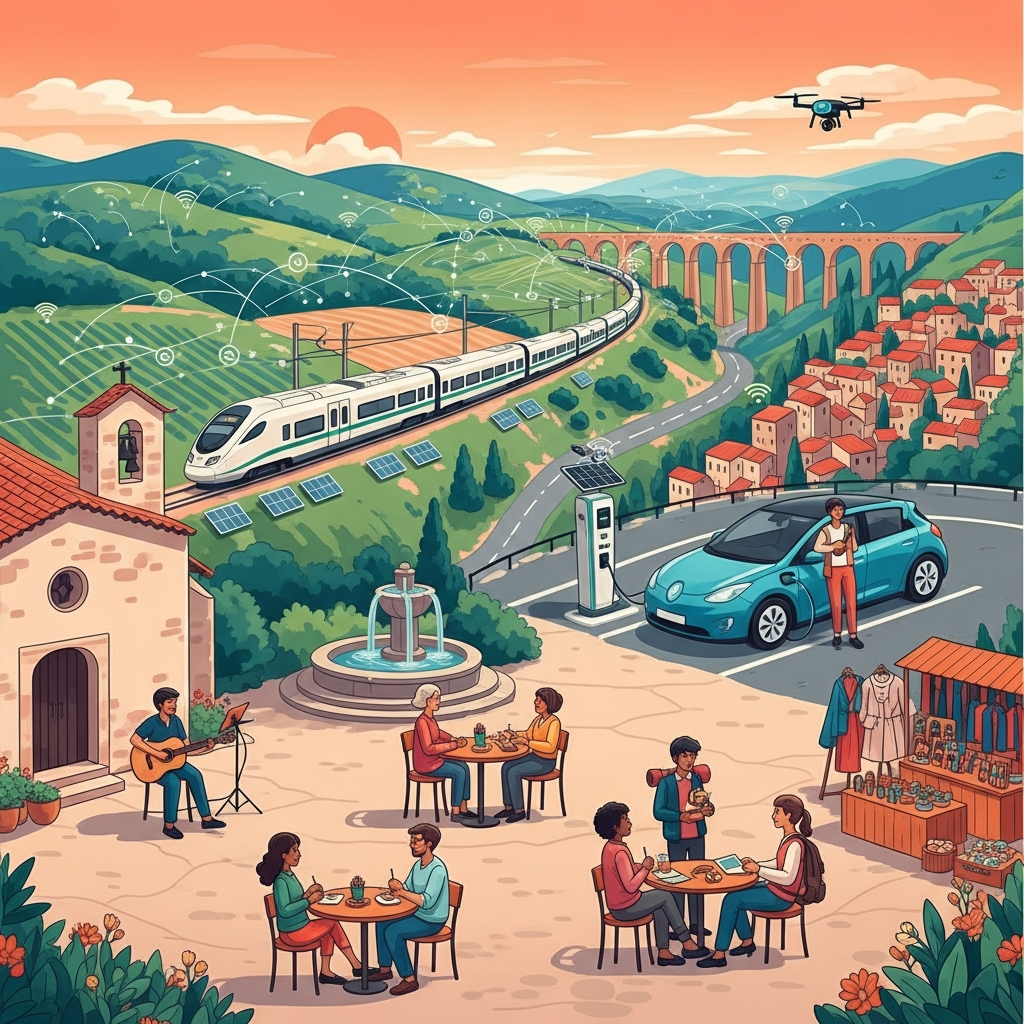

Europe is undergoing a profound transformation, leading a sustainable tourism revolution designed to benefit travelers, local communities, and the environment alike. From Paris to Poland, a growing number of European Union nations are spearheading this shift. They are introducing groundbreaking regulations for short-term rentals, innovative solutions to combat overtourism, and strategic eco-taxes. This proactive approach underscores Europe’s commitment to a balanced, responsible, and enduring tourism model for future generations.
The continent’s tourism sector has shown remarkable resilience and growth, with accommodation nights across the region exceeding three billion in 2025. This rebound is not just about numbers; it reflects a strategic pivot towards value-driven travel experiences. Europe aims to set a global benchmark for responsible tourism, ensuring its environmental future while welcoming conscious travelers seeking authentic and impactful journeys.
Europe’s Green Travel Blueprint: A Data-Driven Approach
Europe is strategically positioning itself as the global standard-setter for sustainable tourism. This ambitious vision, championed by EU Commissioner Apostolos Tzitzikostas and Travalyst Coalition CEO Julie Cheetham, prioritizes both environmental protection and robust economic growth. The strategy is fundamentally data-driven, aiming to support small and medium-sized enterprises (SMEs) in adopting green practices. It seeks to provide consumers with transparent emissions data and implement balanced destination strategies.
Bridging the Sustainability Gap: Trust & Transparency
While traveler awareness of sustainable options is high, a notable gap often exists between interest and actual booking. To bridge this, the EU is introducing critical legislative initiatives. These include the Refuel EU/Flight Emissions Label, the Empowering Consumers for the Green Transition Directive (ECGT), and CountEmissionsEU. Such measures aim to standardize carbon calculations, certifications, and labels across the bloc. This ensures consistency, clarity, and trustworthiness of sustainability information, empowering travelers to make truly informed choices. Trust is becoming the new currency in sustainable travel, supported by legal backing for transparent reporting and consumer data.
Redefining Destinations: Tackling Overtourism & Promoting Hidden Gems
Overtourism remains a pressing concern for many of Europe’s most beloved destinations. Iconic cities like Paris, Rome, Barcelona, and Amsterdam annually attract millions, often leading to negative impacts on local communities, infrastructure, and delicate ecosystems. European governments are taking decisive action to mitigate these effects.
Beyond Hotspots: Diversifying Europe’s Travel Map
Estimates suggest that a staggering 80% of global travelers visit just 10% of destinations. This concentration creates immense pressure on major European hubs. To counteract this, a strategic shift is underway to redistribute tourists to lesser-explored regions. By guiding visitors toward charming rural areas, picturesque mountain villages, and serene coastal towns, pressure on established hotspots can be significantly relieved. This diversification strategy unlocks new economic opportunities for previously overlooked regions. It also promotes slow travel, encouraging longer stays and deeper engagement with local cultures. Such approaches foster regenerative tourism, ensuring that local communities and ecosystems are enhanced, not burdened, by visitor influx.
Helsinki’s Success: A Model for Sustainable Destination Management
Helsinki, Finland, stands out as a pioneering example, topping the Global Destination Sustainability (GDS) Index for two consecutive years. The city’s multi-faceted strategy actively measures tourism’s carbon footprint and implements a comprehensive climate roadmap. Helsinki supports tourism businesses in transitioning to sustainable practices and ensures the well-being of local residents. An impressive 99% of hotel rooms in establishments with over 50 rooms hold environmental certifications. Helsinki also became the first city of its size to achieve Green Destinations certification, recognized for stringent environmental, social, and cultural care. This commitment to transparent sustainability has attracted record numbers of visitors, demonstrating that robust green practices are a significant draw for the modern traveler.
Greening the Journey: Sustainable Mobility & Infrastructure
Amidst a global climate crisis, the tourism sector’s adoption of eco-friendly practices is critical. European nations are championing sustainable mobility solutions to drastically reduce travel’s carbon footprint and create a seamlessly connected, low-carbon tourism destination.
Electric Vehicles & Advanced Charging Networks
Several European countries are actively advocating for expanding electric vehicle (EV) infrastructure. This includes widespread EV leasing programs and the installation of charging stations throughout key tourist regions. Car rental companies are incentivized to invest in electric fleets, while local governments enhance support for charging infrastructure. This ensures a seamless and environmentally responsible travel experience for visitors.
Revitalizing Rail & Integrated Ticketing Systems
Europe is also witnessing a renewed push for cross-border night trains, offering a compelling green alternative to short-haul flights. This reduces strain on airports and mitigates congestion. To further streamline green transportation, a comprehensive, integrated ticketing system for rail, air, and maritime services is being proposed. A unified digital platform would simplify travel across European borders. Initiatives like Travalyst’s Travel Impact Model for flight emissions, soon expanding to rail, provide travelers with transparent data to make informed, sustainable transport choices.
Funding a Greener Future: The Power of Eco-Taxes
Beyond green transportation, European countries are actively exploring the crucial role of eco-taxes in funding sustainable tourism initiatives. Many cities and regions within the EU have already implemented environmental tourism taxes. These aim to generate funds specifically for local environmental projects and essential infrastructure improvements.
How Environmental Tourism Taxes Drive Local Impact
Typically, these taxes are levied on hotel stays, entrance fees to attractions, or even tourist transportation. The revenue generated is then reinvested into crucial areas such as environmental conservation efforts, improved waste management systems, and infrastructure that actively promotes eco-friendly tourism. Examples include dedicated cycling paths or solar-powered facilities. Cities like Amsterdam successfully utilize modest eco-taxes to manage tourism’s environmental impact, funding green spaces, air quality improvements, and waste reduction programs. This approach ensures that tourists, who contribute to a destination’s environmental footprint, also help fund its preservation for future generations.
Balancing Locals & Visitors: New Short-Term Rental Regulations
The explosion of platforms like Airbnb has led to unprecedented growth in the short-term rental market. However, this growth has raised significant concerns about the commercialization of local housing markets and the displacement of residents in popular tourist destinations. European policymakers are now introducing stringent regulations to better manage this sector.
EU’s New Framework for Transparent Rentals by 2026
A new EU framework for short-term rentals is slated for full implementation by May 2026. This framework will introduce mandatory registration requirements for hosts and establish clear service provision standards. Crucially, it will empower local authorities with tools to regulate the number of visitor nights allowed in specific areas and implement effective zoning systems. The objective is to achieve a delicate balance: offer visitors affordable and authentic accommodation while protecting local communities from the adverse effects of rapid short-term rental expansion. These regulations are essential for safeguarding the availability of long-term housing options for local residents, directly addressing the pressing housing crisis in many European cities.
Modernizing Borders: The Entry/Exit System (EES)
Beyond sustainable practices, Europe is also modernizing its border management infrastructure. France, Spain, Germany, Italy, Denmark, Netherlands, and Portugal are among the EU nations set to implement the revolutionary Entry/Exit System (EES) across the Schengen Area by 2026. This biometric system replaces traditional manual passport stamping with advanced digital technologies.
Streamlining Schengen Travel for Non-EU Visitors
The EES is a core component of the EU’s border strategy, designed to enhance security and mitigate human error. Slated for initial rollout in October 2025 and full operational launch by April 2026, the system will apply to non-EU nationals on short-term visits. Travelers will have their facial images and fingerprints electronically recorded upon entry and exit, providing a precise digital record in a central database. This digital, biometric framework will automatically calculate visit durations, ensuring stricter compliance with Schengen regulations and effectively identifying overstays. Furthermore, EES will bolster security by making it easier to detect identity fraud through cross-referencing biometric data for enhanced border control.
People-Centric Tourism: Skills & Cultural Preservation
Sustainable tourism isn’t just about environmental protection and regulatory frameworks; it deeply involves the people who make it possible. The European tourism sector faces significant labor challenges, with millions of jobs requiring skilled workers across hospitality, management, and cultural heritage preservation.
Empowering the Workforce: The Tourism Skills Card & Cultural Volunteering
To address labor shortages and ensure quality, the EU is proposing a tourism skills card. This certification would document a professional’s training, qualifications, and work experience. By creating a standardized, EU-wide system for tourism credentials, the skills card would facilitate worker mobility across borders. It also assures tourists they are engaging with highly qualified professionals, enhancing overall service standards and visitor experience. Alongside this, cultural volunteering is actively promoted as a vital part of Europe’s tourism ecosystem. Volunteers play an invaluable role in preserving the continent’s rich heritage and delivering meaningful, authentic experiences to visitors, ensuring future generations can appreciate Europe’s unique traditions.
Europe’s Resilient Tourism: Growth & Evolving Preferences
The EU’s commitment to transforming tourism comes at a time of remarkable recovery. The sector has demonstrated robust growth, with accommodation nights across the region surpassing three billion in 2025. This monumental rebound is fueled by improved transport connectivity, the return of international visitors, and a significant shift in traveler preferences.
Record-Breaking Recovery & Shifting Traveler Desires
Leading this resurgence are key member states. Spain notably recorded over 513.6 million accommodation nights in 2025, driven by its diverse attractions and high-speed train network. Italy registered 476.9 million nights, with visitors exploring beyond major hubs into regions like Tuscany and Sicily. France maintained its leading position with approximately 471.7 million nights, supported by robust infrastructure and a growing interest in rural tourism. Germany also experienced strong growth, accounting for 442.1 million accommodation nights, thanks to its cultural history and focus on eco-friendly tourism. Beyond these major players, emerging destinations like Poland saw a significant rise. Romania, an off-the-beaten-path gem, recorded approximately 88.5 million nights, appealing to those seeking unique experiences. Malta, despite its size, contributed 77.9 million accommodation nights, leveraging its Mediterranean climate and sustainably-focused hospitality. This widespread growth underscores Europe’s enduring appeal.
A significant insight from this recovery is the evolving nature of European tourism. Travelers are increasingly seeking immersive experiences beyond traditional sightseeing. They opt for local food and wine tours, rural hikes, and deeper engagement with local culture. This preference for “slow travel” and longer stays, partly facilitated by flexible work arrangements, benefits not only major tourist hubs but also spreads economic advantages to smaller towns and rural areas across the continent. This shift aligns perfectly with the EU’s broader vision for sustainable and equitably distributed tourism.
Frequently Asked Questions
What are the core pillars of Europe’s sustainable tourism strategy?
Europe’s sustainable tourism strategy is built on several interconnected pillars. These include data-driven destination management, fostering trust through transparent sustainability claims and standardized carbon labels (like Refuel EU and CountEmissionsEU), and actively redirecting tourism from overcrowded hotspots to lesser-known regions. Further cornerstones are promoting green mobility through electric vehicles and revitalized rail networks, funding initiatives via eco-taxes, regulating short-term rentals to protect local housing, modernizing borders with systems like EES, and investing in human capital through initiatives like the tourism skills card and cultural volunteering. The overarching goal is a balanced, responsible, and economically viable sector.
How can travelers actively support Europe’s sustainable tourism initiatives?
Travelers can significantly contribute to sustainable tourism by adopting practices like “slow travel,” opting for longer stays, and exploring regions beyond major city centers. Consider visiting rural areas, mountain villages, or coastal towns, which benefits local economies and alleviates pressure on popular hotspots. Engage in alternative experiences like gastronomy tours, cycling routes, or cultural heritage trips. Utilize eco-friendly transportation, such as night trains and electric vehicles, to reduce your carbon footprint. Supporting local businesses, respecting local communities, and choosing accommodations with environmental certifications are also key to fostering a more sustainable travel experience. Platforms like Travalyst can help make informed choices.
What impact will the new EU short-term rental regulations have on booking accommodation?
New EU regulations for short-term rentals, expected by May 2026, will introduce mandatory registration for hosts, set service standards, and empower local authorities to limit visitor nights in certain areas. This framework aims to balance visitor access to authentic accommodations with protecting local housing markets and preventing resident displacement. For travelers, this could mean increased transparency regarding property legitimacy and potentially more consistent service standards. While it might lead to some restrictions in very popular areas to preserve residential housing, it ensures the long-term viability of local communities and a more balanced, ethical tourism ecosystem.
Conclusion: A Blueprint for Global Sustainable Travel
The coordinated efforts of France, Germany, Italy, Spain, and their EU counterparts mark the dawn of a new era for sustainable tourism in Europe. By strategically redistributing tourism demand, championing eco-friendly mobility, rigorously regulating short-term rentals, and fostering a supportive environment for both tourists and local communities, Europe is setting a global benchmark for responsible travel. These bold policies are not merely about environmental protection; they promise to catalyze economic growth in emerging regions, create new employment opportunities, and preserve the irreplaceable cultural fabric of Europe’s most iconic and hidden gems. Europe’s transformation offers a vital blueprint for how destinations worldwide can embrace a truly sustainable and enriching future for travel.