
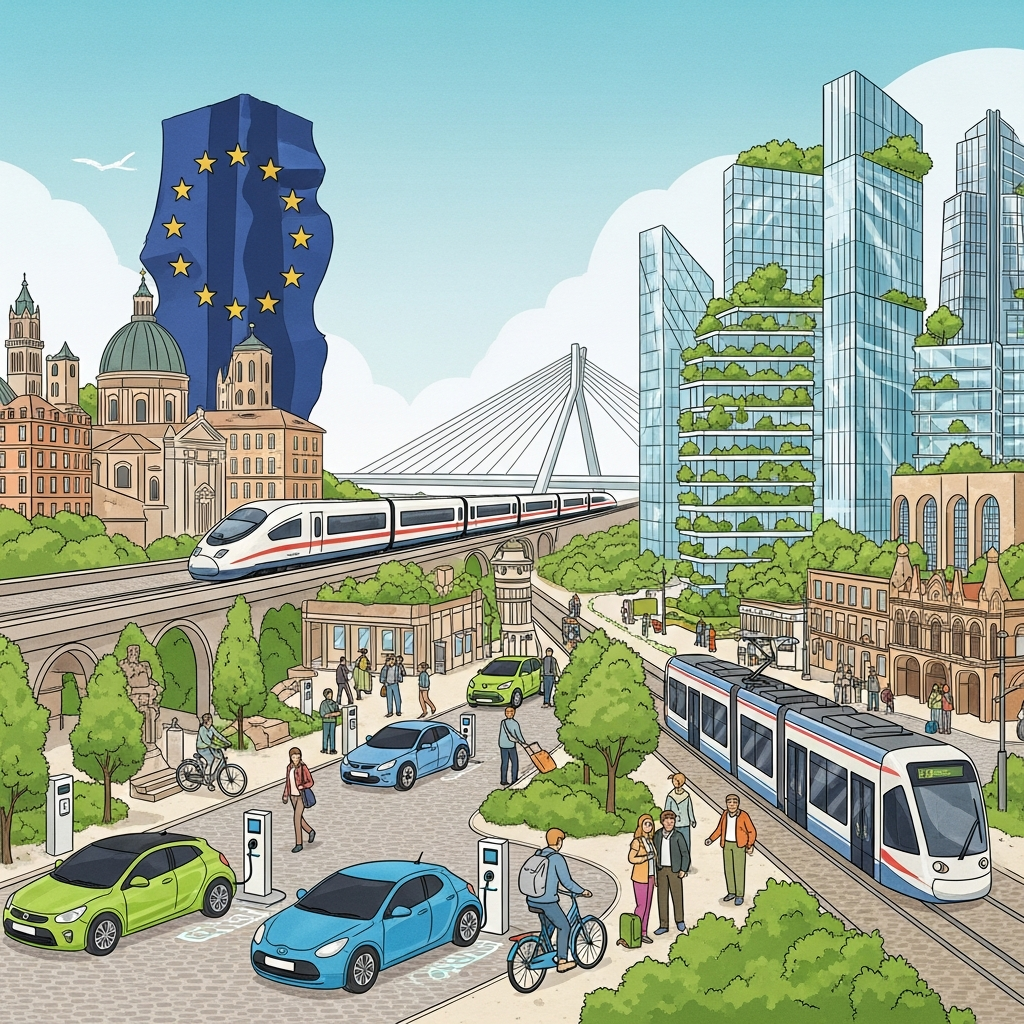

Europe’s beloved travel industry is embarking on a monumental transformation. Major EU nations, including France, Germany, Italy, Spain, the Netherlands, Sweden, and Poland, are uniting to forge a groundbreaking path for sustainable travel. This bold initiative introduces revolutionary short-term rental regulations, innovative overtourism solutions, and a pioneering eco-tax. Designed to tackle the housing crisis and environmental impact, these measures also promise an enhanced user experience for travelers. These collective efforts, anticipated to be fully operational by 2026, signal a deep commitment to a more balanced, responsible, and equitable tourism model across the continent. They aim to benefit both local communities and the environment. The robust rebound of European tourism, with accommodation nights surpassing three billion in 2025, underscores the urgent need for managing growth sustainably.
Europe’s Bold Vision for Sustainable Travel
The European Union’s vision for tourism is shifting decisively. The focus is now on long-term sustainability, accessibility, and equity. This ambitious agenda directly confronts pressing challenges. These include environmental degradation, the critical housing crisis, and the escalating issue of overtourism in cherished destinations. By proactively implementing stricter guidelines and fostering eco-friendly alternatives, Europe intends to maintain its global appeal. Simultaneously, it will safeguard its invaluable cultural and natural heritage.
Combating Overtourism: A Strategic Approach
Overtourism poses a significant threat to many of Europe’s most visited cities. Destinations like Paris, Rome, Barcelona, and Amsterdam annually welcome millions. This influx strains local infrastructure, communities, and fragile ecosystems. Astonishingly, an estimated 80% of global travelers visit just 10% of destinations. This highlights the critical need for effective overtourism solutions.
European governments are prioritizing the redistribution of tourist traffic. The goal is to guide visitors towards lesser-explored regions. These include rural areas, picturesque mountain villages, and charming coastal towns. This strategic shift alleviates pressure on established hotspots. Crucially, it also fosters economic growth in previously overlooked areas. It ensures the benefits of tourism are more widely and fairly distributed across Europe.
Furthermore, promoting diverse travel experiences is vital. Gastronomy, wine and beer tourism, cycling, and immersive cultural heritage tours are key examples. These initiatives encourage year-round travel, attracting tourists beyond peak seasons. This commitment to regenerative tourism ensures local communities and environments genuinely benefit from visitor influx, rather than bearing its brunt.
Greening European Journeys: Eco-Friendly Mobility
Addressing the global climate crisis is paramount. The tourism sector is actively adopting more eco-friendly practices. Several European nations are championing expanded electric vehicle (EV) infrastructure. This includes widespread EV leasing programs and the installation of charging stations in key tourist regions. This move offers travelers responsible options, drastically reducing tourism’s carbon footprint.
Electric Vehicle (EV) Expansion: Car rental companies are encouraged to invest in electric fleets. Local governments are boosting support for charging station availability at popular destinations.
Cross-Border Night Trains: An extensive network of night trains provides a greener alternative to air travel. This helps ease airport congestion and reduce short-haul flight emissions.
Integrated Ticketing System: A proposed unified digital platform aims to streamline rail, air, and maritime services. Travelers will seamlessly navigate Europe using sustainable transport modes, promoting efficient and eco-conscious journeys.
In parallel, the EU is implementing a revolutionary Entry/Exit System (EES) by 2026. This biometric system replaces traditional passport stamping for non-EU visitors. It uses facial recognition and fingerprint scanning, enhancing border security and efficiency. Countries like France, Spain, Germany, Italy, Denmark, Netherlands, and Portugal are actively adopting this advanced system, reflecting a broad regulatory push.
Economic & Environmental Balance: The Role of Eco-Taxes
To fund sustainable tourism initiatives and mitigate environmental impacts, eco-taxes for travel in Europe are gaining significant traction. Many cities and regions within the EU have already implemented these environmental tourism taxes. They are typically levied on hotel stays, attraction entrance fees, or even tourist transportation. This proactive approach ensures visitors contribute directly to preserving the destinations they enjoy.
The Rise of Eco-Taxes for Sustainable Futures
The funds generated from these taxes are specifically earmarked. They support vital environmental conservation projects, waste management improvements, and infrastructure enhancements. These include developing cycling paths or installing solar-powered facilities. Amsterdam’s successful model, where a small eco-tax helps fund green spaces, air quality improvements, and waste reduction, serves as inspiration. This demonstrates a clear understanding that the long-term sustainability of the tourism industry relies on proactive investments in the environment and local communities.
Navigating the Digital Housing Market: Short-Term Rental Reforms
The explosive growth of the short-term rental market, fueled by platforms like Airbnb, has brought benefits but also significant concerns. It has led to the commercialization of local housing and the displacement of residents in popular tourist areas. This creates a critical challenge to affordable housing and community well-being across Europe.
EU’s New Framework for Short-Term Accommodations
To address these housing crisis solutions in Europe, EU policymakers are introducing comprehensive regulations for the short-term rental market. A new EU framework, expected to be fully operational by May 2026, will introduce crucial measures:
Registration Requirements: Hosts will be mandated to register their properties.
Service Provision Standards: Clear standards will be set for short-term rental services.
Local Authority Tools: Local governments will gain new tools to regulate the number of visitor nights permitted in specific areas.
Transparent Market: The EU aims to create a more transparent and fair short-term rental market by clarifying roles and responsibilities.
Zoning Systems: Cities will be empowered to implement zoning systems. This limits the concentration of short-term rental properties, protecting long-term housing availability for residents.
This framework seeks a delicate balance. It aims to provide diverse, affordable accommodation options for visitors. Simultaneously, it will safeguard local communities from the negative impacts of unchecked short-term rental expansion.
Empowering Europe’s Tourism Workforce
Beyond environmental concerns, the European tourism sector also faces significant labor challenges. Millions of jobs rely on tourism. There’s a growing demand for skilled professionals across hospitality, management, and cultural heritage preservation.
Building a Skilled Workforce: The Tourism Skills Card
Europe is proposing a tourism skills card. This aims to address labor shortages and enhance workforce mobility. This certification will document professionals’ training, qualifications, and work experience. It will create a standardized, EU-wide system for tourism credentials. This initiative seeks to:
Facilitate Mobility: Allow skilled workers to move more easily across European borders.
Address Shortages: Help fill critical roles within the industry.
- Ensure High Standards: Guarantee tourists engage with highly qualified professionals, elevating the overall visitor experience.
- www.travelandtourworld.com
Cultural volunteering is also actively promoted. It’s seen as a vital component of Europe’s tourism ecosystem. Volunteers play an indispensable role in preserving the continent’s rich cultural heritage. They also deliver meaningful experiences to visitors. By incentivizing cultural volunteering, the EU is committed to ensuring that future generations continue to access and appreciate Europe’s unique traditions.
The Robust Rebound & Future of European Tourism
The necessity for these EU tourism regulations is underscored by the remarkable resurgence of European tourism. In 2025, accommodation nights across the EU surpassed an unprecedented three billion. This is a testament to Europe’s enduring global appeal. This robust rebound is driven by improved transport connectivity, the return of international visitors, increased traveler confidence, and a growing preference for sustainable and authentic experiences. It highlights both the immense opportunities and the pressing challenges facing the sector.
Leading this recovery are countries like Spain (over 513.6 million accommodation nights), Italy (476.9 million), France (471.7 million), and Germany (442.1 million), all showcasing significant growth. Even emerging destinations like Poland (experiencing a major increase) and Romania (88.5 million nights) are seeing impressive gains. They attract travelers with their unique history, architecture, and natural beauty. This trend, coupled with a noticeable shift towards immersive experiences and “slow travel,” perfectly aligns with the EU’s push for more sustainable and regionally distributed tourism.
Frequently Asked Questions
What are the primary goals of the new EU tourism regulations?
The new EU tourism regulations are primarily designed to foster a more sustainable tourism in Europe. Their key goals include addressing overtourism by redistributing visitor traffic, combating the housing crisis through stricter short-term rental laws EU, and mitigating the environmental impact of travel with the introduction of eco-taxes. These measures aim to protect local communities, preserve cultural and natural heritage, and ensure the long-term viability of Europe’s appeal as a premier destination. They represent a concerted effort to balance economic growth with environmental and social responsibility, directly responding to the robust rebound in tourist numbers.
How will short-term rental rules and eco-taxes specifically affect travelers visiting Europe?
Travelers visiting Europe will experience several changes. The new short-term rental laws EU, fully operational by May 2026, mean more regulated and potentially standardized accommodation options. While hosts face mandatory registration and service standards, travelers might find enhanced transparency. Local authorities will gain tools to regulate visitor nights, which could limit short-term rental availability in some popular areas, encouraging exploration of alternative accommodations or lesser-known regions. For eco-taxes for travel in Europe, visitors may encounter small levies on hotel stays, attraction entrance fees, or transportation, with these funds directly supporting local conservation and infrastructure, ensuring their travel contributes to the destination’s sustainability.
Which European countries are leading the adoption of these new sustainable tourism initiatives?
Several prominent European nations are at the forefront of adopting these new EU tourism regulations and sustainable initiatives. Countries actively involved in forging the new path for sustainable travel, implementing short-term rental regulations, and supporting overtourism solutions include France, Germany, Italy, Spain, the Netherlands, Sweden, and Poland. Additionally, countries like Spain, Italy, France, and Germany are leading in tourism recovery, highlighting the urgent need for these measures. France, Spain, Germany, Italy, Denmark, Netherlands, and Portugal are also key adopters of the new Entry/Exit System (EES) by 2026, showcasing a broad regulatory push across the continent.
Charting a Responsible Course: Europe’s Tourism Future
The collaborative efforts among European nations herald the beginning of a new era for sustainable tourism in Europe. By strategically redistributing tourism demand, promoting eco-friendly mobility options, regulating the burgeoning short-term rental market, and fostering a supportive environment for both visitors and local communities, Europe is firmly positioning itself as a global leader in responsible travel. The gradual implementation of these forward-thinking policies in the coming years is poised to yield substantial benefits: robust environmental preservation, stimulated economic growth in lesser-known regions, the creation of new employment opportunities, and the invaluable safeguarding of Europe’s unique cultural fabric for generations to come.