

Severe Energy Crisis: Global Tourism’s Dire Future Unpacked
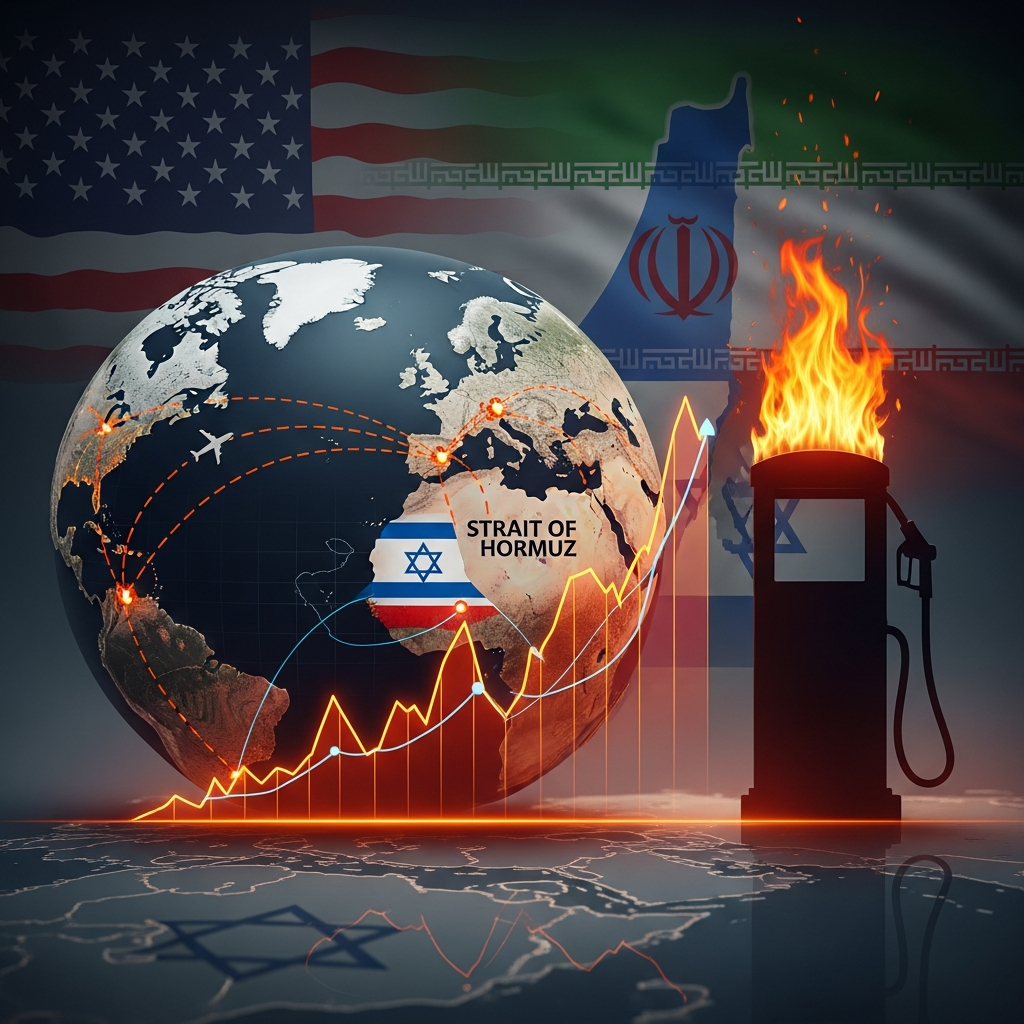
The world’s travel industry currently faces unprecedented turbulence, stemming not from a pandemic, but from a dramatic surge in energy prices. An escalating geopolitical conflict, primarily involving the US, Iran, and Israel, has initiated critical disruptions in global oil supply. At the core of this turmoil lies the Strait of Hormuz, a narrow yet profoundly vital shipping lane. Its precarious closure has propelled crude oil and gas prices to alarming highs, unleashing a cascade of economic challenges worldwide. Nations from France and Italy to Canada and India are grappling with widespread inflationary pressures and significant economic uncertainty. This volatile energy landscape is delivering a severe blow to the already fragile global tourism sector, compelling travelers to re-evaluate their plans and forcing destinations to confront a potentially dire future.
The Geopolitical Spark: Understanding the Global Energy Crunch
The current global energy market faces a severe crisis, directly triggered by escalating Middle Eastern tensions. This geopolitical instability has disrupted the intricate web of oil and gas distribution, resulting in acute shortages and dramatic fuel cost hikes. Such disruptions reverberate globally, impacting everything from manufacturing to daily commuting.
The Strait of Hormuz: A Vital Chokepoint Under Pressure
The Strait of Hormuz, a crucial maritime artery for roughly one-third of the world’s seaborne oil supply, is central to this crisis. Conflicts between Iran, Israel, and the US have made this vital shipping lane a flashpoint for global energy insecurity. Iran’s threats, and at times actual actions, to close the Strait cause immediate, profound increases in both domestic energy costs and international travel expenses. The world’s reliance on this single chokepoint underscores its vulnerability to regional conflicts.
Fueling Inflation: How Oil Disruptions Impact Economies
Surging oil and gas prices unleash a wave of inflationary pressures across diverse economies. Increased fuel costs directly translate into higher expenses for transportation, manufacturing, and food production. This broader economic fallout reduces consumer purchasing power and diminishes discretionary spending. Countries heavily reliant on Middle Eastern oil imports are finding themselves particularly exposed, facing not only severe shortages but also the challenge of safeguarding their national energy security. This economic strain directly impacts the tourism industry, as affordability becomes a major deterrent for potential travelers.
A Crushing Blow: How the Energy Crisis Reshapes Global Tourism
Responding to the global energy crisis, the tourism sector, still recovering from the pandemic’s unprecedented shutdown, now faces a formidable new challenge. The ripple effects are manifesting in critical ways, fundamentally altering how people travel and how destinations operate. The affordability of travel has quickly evaporated, affecting both leisure and business segments.
Rising Costs: Airfare, Accommodation, and Local Transport
One of the most immediate consequences for tourism is the dramatic increase in travel-related expenses. Soaring fuel prices directly inflate the cost of air travel, with airlines passing on higher surcharges to passengers. This extends to maritime transport, making ferry services and cruises significantly more expensive. On the ground, car rentals, taxi fares, and public transportation systems also see sharp price hikes. Even accommodation costs are affected, as hotels face increased utility bills and operational expenses. These cumulative price increases make popular destinations less accessible.
Traveler Behavior Shifts: Fewer Trips, Shorter Stays
As the cost of travel escalates, consumer behavior rapidly adapts. Many potential tourists opt to cancel trips, choose closer-to-home destinations, or reduce the duration of their stays to mitigate expenses. Long-haul international travel is becoming a luxury many can no longer afford. This shift creates a significant decline in international visitor arrivals, especially from key markets like North America, Europe, and Asia. Economies heavily dependent on tourism revenues are feeling the immediate pinch of this reduced demand, straining their recovery efforts.
Nations at the Forefront: Case Studies of Impacted Tourism Economies
The impact of this global energy crisis is far-reaching, affecting countries with diverse economic structures and tourism offerings. From major oil importers to popular holiday destinations, nations worldwide are witnessing a significant downturn in their tourism sectors.
Europe’s Struggle: Italy, France, Greece, and the UK
Italy: Heavily reliant on Middle Eastern oil, Italy faces reduced refinery supply and soaring fuel prices. This inflates transportation costs, deterring tourists from iconic sites like Rome and Florence, especially from cost-sensitive markets, impacting local businesses.
France: A premier global destination, France sees fuel costs impacting international flights and local travel. Paris and Provence report fewer North American and Asian visitors, as rising expenses contribute to broader inflationary pressures on the French economy.
Greece: Its tourism-dependent economy struggles with inflated fuel costs for ferries and airlines. Travel to Santorini and Mykonos is costlier, reducing international visitor numbers and jeopardizing vital tourism revenues during peak seasons.
United Kingdom: Higher fuel costs affect both domestic and international tourism flows. Cities like London attract fewer European and Asian visitors. Rising travel and accommodation expenses push potential tourists to seek more affordable alternatives, straining the sector.
North America’s Challenge: Canada and Mexico
Canada: Its vast geography and oil import needs mean rising fuel prices inflate domestic flights and car rentals. Major cities like Toronto and Vancouver see fewer international tourists, particularly from Asia and Europe, due to soaring travel expenses.
Mexico: The tourism industry confronts difficulties as airlines and hotels pass on higher fuel prices. Popular destinations such as Cancun and Mexico City see reduced international visitors, especially from the US, impacting this crucial economic sector.
Asia’s Downturn: India, Thailand, Japan, South Korea, China, Pakistan, Turkey
India: Importing 80% of its crude oil, India faces severe shortages and skyrocketing fuel prices. This curtails both domestic and international tourism, with places like Goa and Jaipur experiencing fewer visitors due to higher travel and airfare costs.
Thailand: Its tourism-centric economy is severely hit by rising fuel prices. Flights to Bangkok and Phuket, alongside local transport, become more expensive. Many European and North American visitors defer plans, reducing arrivals at popular beach destinations.
Japan: A major oil importer, Japan sees energy prices surge. High costs for international flights and domestic transport (trains, taxis) reduce tourist numbers in Tokyo and Kyoto, causing a setback for its otherwise thriving tourism sector.
South Korea: Highly dependent on Middle Eastern oil, it faces shortages and price hikes impacting travel infrastructure. Increased airfare and fuel surcharges contribute to a decline in tourism, as many opt for more affordable destinations.
China: The largest oil importer, China sees transportation costs soar. This impacts inbound tourism and leads Chinese tourists to favor local travel, reducing foreign demand and deterring international visitors due to increased travel expenses.
Pakistan: Reliance on Middle Eastern oil results in rising fuel costs, making both domestic and international travel less affordable. Cities like Karachi report fewer international visitors and reduced local tourism due to high expenses and fuel shortages.
Turkey: Bridging Europe and the Middle East, Turkey is deeply affected by the crisis. Increased transport costs deter tourists from Istanbul and Cappadocia. Surging fuel prices raise costs for tours and hotels, impacting its affordable destination appeal.
Mitigating the Impact: Strategies for Resilience in Tourism
The global energy crisis serves as a stark reminder of tourism’s vulnerability to geopolitical instability and economic shocks. To navigate this challenging period, the industry and governments must adopt proactive, coordinated strategies focused on long-term resilience and sustainability.
Diversifying Energy Sources and Sustainable Practices
For long-term stability, nations must accelerate their transition to diversified and sustainable energy sources. Reducing reliance on volatile oil markets through investments in renewables, such as solar, wind, and geothermal, will provide greater energy security and less susceptibility to global price fluctuations. Within the tourism sector, promoting eco-friendly transportation, encouraging energy-efficient accommodations, and supporting local, sustainable supply chains can reduce operational costs and appeal to environmentally conscious travelers. This shift also enhances a destination’s overall appeal and competitive advantage.
Government Interventions and Tourism Sector Adaptations
Governments can play a crucial role by implementing targeted support measures for the tourism industry, such as temporary fuel subsidies for transport operators or tax relief for hotels. Investing in domestic tourism campaigns can offset declines in international arrivals. The tourism sector itself must adapt by developing flexible travel packages, promoting off-peak travel, and innovating with virtual experiences to maintain engagement. Collaborations between airlines, hotels, and local businesses can create bundled offers that provide better value, cushioning the impact of rising costs for consumers.
Frequently Asked Questions
How does the Strait of Hormuz closure affect global oil supply and subsequent travel costs?
The Strait of Hormuz is a critical chokepoint for approximately one-third of the world’s oil shipments. Any threat or actual closure of this waterway significantly restricts the global oil supply, leading to a sharp increase in crude oil prices due to scarcity. These higher oil prices directly translate into escalated fuel costs for airlines, shipping companies, and ground transportation. Consequently, travelers face higher airfares, increased ferry and bus ticket prices, and more expensive car rentals, making overall travel significantly less affordable.
Which countries are most impacted by the energy crisis’s effect on tourism, and what are their specific challenges?
Countries heavily reliant on oil imports and with substantial tourism economies are most affected. Italy, France, Greece, and Turkey face higher costs for transport and reduced European/North American visitor numbers. India, Thailand, Japan, and South Korea, as major oil importers, see rising airfares deterring Asian and Western tourists. Canada and Mexico experience increased domestic travel costs and fewer US/European visitors. Each faces challenges ranging from declining international arrivals and reduced domestic travel to inflationary pressures on local services, directly impacting revenue and economic recovery.
What steps can the global tourism industry take to become more resilient against future energy crises and geopolitical instability?
To build resilience, the global tourism industry needs a multi-faceted approach. Diversifying energy sources towards renewables and investing in sustainable travel infrastructure can reduce reliance on volatile fossil fuels. Governments can support the sector through strategic subsidies and domestic tourism promotions. The industry should adapt by creating flexible travel packages, promoting off-season travel, and fostering local partnerships to offer better value. Embracing digital platforms for virtual experiences and enhancing destination appeal through unique, sustainable offerings can also help cushion the impact of future disruptions.
Conclusion: Navigating a New Era for Global Travel
The current global energy crisis, ignited by geopolitical conflicts and the precarious situation in the Strait of Hormuz, presents an undeniable challenge to the international tourism sector. From soaring fuel prices to diminished traveler confidence, countries worldwide are experiencing significant economic fallout. The road to recovery for this vital industry is undoubtedly complex. However, through international cooperation, a determined focus on diversifying energy sources, and the strategic embrace of sustainable tourism practices, nations can begin to rebuild. By offering more affordable, secure, and environmentally conscious travel options, the global tourism industry can adapt and secure a more resilient future in a post-crisis world, continuing to connect cultures and economies.