
Russia’s internal travel market is witnessing an extraordinary surge, hitting a new peak of 173.9 million trips in 2025. This impressive 7.4% annual increase signifies a profound shift in local travel preferences. Despite global complexities, this robust growth, nearly doubling trips since 2021, highlights the resilience of the Russian travel industry. It underscores its expanding appeal to travelers seeking rich cultural and natural experiences within their own country. This in-depth analysis explores the driving forces, evolving traveler demographics, and significant economic impact of Russia tourism, offering crucial insights into future opportunities.
Russia’s Unprecedented Domestic Travel Boom
The year 2025 marks a pivotal moment for Russia domestic tourism. A staggering 173.9 million internal trips were recorded, showcasing a remarkable 7.4% year-over-year expansion. This growth reflects a profound confidence among Russians in exploring their expansive nation. The market has nearly doubled since 2021, suggesting dynamic economic shifts and a strategic pivot towards local destinations. Factors like evolving global air travel dynamics and a broader national emphasis on supporting local economies have clearly influenced this trend. Consequently, internal travel has solidified its role as a vital economic engine for the country.
Leading Destinations Fueling the Surge
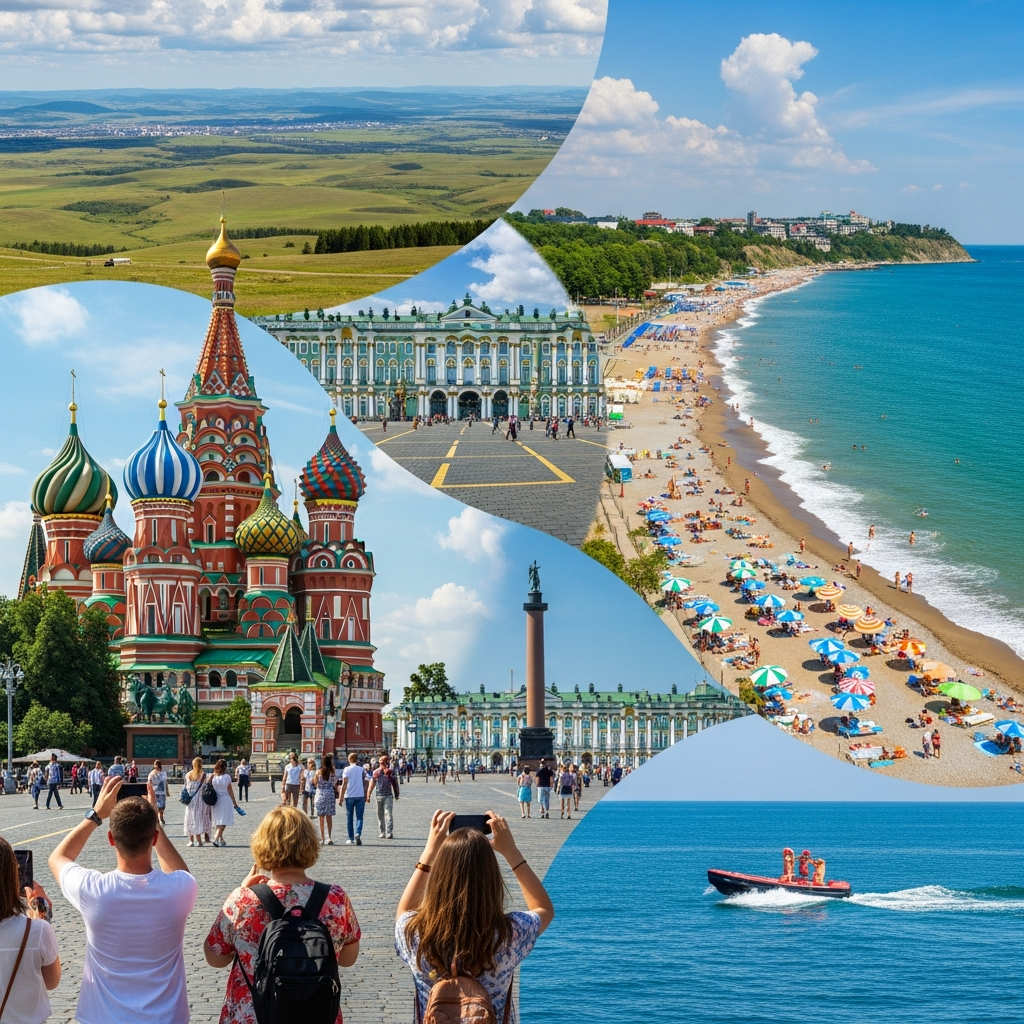
Certain regions consistently lead the charge in attracting visitors. Moscow, the vibrant capital, remains a top choice. Its iconic landmarks, like the Kremlin and Red Square, draw countless travelers. St. Petersburg closely follows, renowned for its magnificent Hermitage Museum and rich historical grandeur. Krasnodar Krai, with its Black Sea resorts and diverse landscapes, secures its place among the top three.
However, growth extends far beyond these major urban centers. Regions such as the Sverdlovsk and Leningrad areas are also seeing substantial increases in tourist activity. This expansion is largely thanks to ongoing infrastructure improvements. A rising regional interest in exploring lesser-known gems also contributes. While over half of all domestic travel concentrates in these key regions, regional leaders like Tatarstan and Vladimir are experiencing significant visitor upticks. This highlights their appeal and readiness for expanded Russia domestic tourism.
Decoding the Modern Russian Traveler
The demographic profile of the 2025 Russian traveler reveals interesting insights. The average age stands at 44. Approximately 15% of all domestic trips are made by individuals under 30. This younger demographic often gravitates towards bustling urban hubs like Moscow and St. Petersburg. They seek vibrant city life and immersive cultural experiences.
In contrast, more mature travelers frequently prefer Russia’s serene rural and picturesque coastal areas. Krasnodar Krai, for example, attracts this group with its mix of relaxation and adventure. Gender also shapes travel choices. Female travelers, comprising just over half of domestic trips, show a preference for Kaliningrad and St. Petersburg, alongside the southern coastline. Male travelers often prefer Russia’s eastern regions, including the vast and rugged landscapes of Siberia.
Income levels play a crucial role in shaping travel preferences. Individuals with monthly earnings exceeding 100,000 rubles account for a larger share of travelers. This signifies a growing demand for premium travel Russia experiences. These high-income travelers seek elevated services, enhanced comfort, and luxury, especially in prime urban and coastal zones.
Immersive Journeys: Beyond Quick City Breaks
The average duration for a Russian domestic trip is 4.7 days. Yet, destinations in more remote or uniquely scenic areas enjoy significantly longer stays. Regions such as Yamalo-Nenets, Chukotka Autonomous Okrug, Yakutia, and Crimea attract visitors for extended periods. These stays often far exceed those in typical urban centers. This trend signals a growing appreciation for nature-based tourism. Travelers are increasingly seeking tranquility, stunning landscapes, and distinctive experiences away from the urban rush.
While urban hubs see shorter, more focused trips for cultural and commercial attractions, a notable shift is underway. Longer stays in rural and remote destinations point towards travelers embracing slower, more immersive forms of exploration. They are eager to delve deeper into Russia’s diverse regions. This fosters a deeper connection with local heritage and nature. This evolving preference defines the future of Russian travel industry engagement.
The Trillion-Ruble Impact of Local Tourism
The burgeoning Russia domestic tourism sector has significantly boosted economic activity. In 2025, Russians collectively spent an estimated 1.94 trillion rubles on internal travel. This represents an impressive 44.8% increase over the past four years. This substantial expenditure highlights the sector’s vital contribution to regional economies across the nation.
On average, travelers spent 1,365 rubles per day, marking an 8.7% increase from 2024. Spending was highest on grocery shopping. Cafes and restaurants followed closely, then souvenirs and clothing. This indicates a broad economic ripple effect across various consumer sectors. While remote areas like Chukotka recorded the highest daily expenses, popular urban destinations such as Krasnodar Krai and St. Petersburg continued to attract high-end tourists willing to spend more. More budget-friendly options were available in regions closer to Moscow and Leningrad, offering flexibility for diverse traveler segments.
With the rise of high-income travelers and a clear preference for elevated experiences, the Russian tourism sector is evolving. It is shifting towards more specialized offerings. These include luxury accommodations, tailored services, and exclusive high-end experiences. This transformation creates ripe investment opportunities for hoteliers and tour operators, solidifying Russia’s reputation for quality domestic travel. This economic impact Russia tourism has is undeniable.
Promising Future for Russia’s Domestic Travel
Russia domestic tourism consistently demonstrates remarkable resilience and adaptability. Even amidst a complex global environment, including various international diplomatic stances and policy discussions, the internal travel market continues to flourish. Discussions among leaders on sanctions, while signaling a complicated backdrop, have not dampened internal enthusiasm for local exploration. This resilience underscores the inherent strength of Russia’s internal market.
The observed trends in 2025 strongly indicate sustained long-term growth. This is fueled by a heightened interest in regional exploration. Continuous infrastructure improvements also play a key role. An expanding segment of affluent travelers seeking premium experiences further propels this growth. As more regions across the country become easily accessible and increasingly appealing, Russia’s domestic tourism is poised for further expansion. The sector presents vast opportunities, from bespoke luxury tours to authentic rural explorations. As travel habits continue to evolve, Russia’s rich cultural heritage and diverse landscapes will remain central to its burgeoning tourism narrative.
Frequently Asked Questions
What key factors fuel Russia’s domestic tourism boom in 2025?
Several pivotal factors contribute to Russia’s surging domestic tourism market in 2025. A primary driver is a significant shift in local travel preferences, with Russians increasingly choosing to explore their own country. Evolving economic dynamics within the nation, coupled with global airspace challenges, have also encouraged a pivot towards internal destinations. Furthermore, continuous regional infrastructure improvements make more areas accessible and appealing. A growing segment of high-income travelers actively seeking premium and high-quality experiences within Russia further fuels this robust growth, establishing internal travel as a vibrant and attractive option.
Which Russian regions are top destinations, and what unique experiences do they offer?
Moscow, St. Petersburg, and Krasnodar Krai are currently the most popular domestic travel destinations in Russia. Moscow attracts visitors with its iconic landmarks like the Kremlin and Red Square, offering vibrant urban and cultural immersion. St. Petersburg captivates with its historical grandeur and artistic heritage, epitomized by the Hermitage Museum. Krasnodar Krai, known for its Black Sea resorts, provides a blend of coastal relaxation and adventure, appealing especially to mature travelers. Beyond these hubs, regions like Sverdlovsk and Leningrad are gaining traction, providing diverse attractions thanks to ongoing infrastructure developments and increasing regional interest in lesser-known gems.
How is increased spending transforming Russia’s domestic tourism market?
Increased tourism spending, reaching 1.94 trillion rubles in 2025, profoundly transforms Russia’s domestic tourism market. This substantial expenditure, particularly driven by high-income travelers, signals a strong demand for more premium travel Russia experiences. Travelers are increasingly seeking higher-quality services, enhanced comfort, and luxury offerings, especially in prime urban and coastal areas. This trend is shifting the Russian tourism sector towards specialized offerings, including luxury accommodations and tailored high-end experiences. Consequently, it creates significant investment opportunities for hoteliers and tour operators, solidifying Russia’s reputation for sophisticated and quality internal travel options.